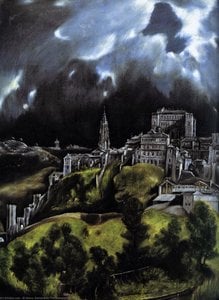
Acrylic On CanvasWallArtmannerist painting
 1614Renaissance
 174.0 x 210.0 cm
Hand-painted oil on canvas in your size and frame, made to order by our artists. ( Switch to Print Switch to Digital Image)





























Pick from our preset sizes that match the artwork's original proportions.

Type the width and the height you need, to fit your frame or your wall. This is hand-painted, so for a size with a different shape the artist can paint a bit more around the picture, or cut a bit — you choose. We send you a digital mockup to approve before the painting starts. The picture shown on this page does not show the real result — only the mockup does.
Worldwide Delivery () in 3/4 weeks instead of standard 5 weeks. (21 October). No compromise on quality.
Laocoön
Reproduction Size
El Greco’s *Laocoön* transcends mere depiction; it embodies the very essence of Mannerist art—a deliberate rejection of Renaissance ideals in favor of heightened emotion, distorted perspective, and unsettling dynamism. Unearthed in Rome in 1506, this monumental sculpture commemorates the myth of Laocoön, a Trojan priest who dared to challenge Poseidon’s decree forbidding the Greeks from bringing the Trojan Horse into their city.
The sculpture's arrangement is deliberately unsettling, prioritizing expressive gesture over anatomical accuracy. The central figure, Laocoön himself, dominates the composition, wrestling desperately with a serpent while his sons assist him in vain. Their bodies twist and contort in poses that defy gravity—a visual manifestation of their struggle against overwhelming force. The sculptor skillfully employs chiaroscuro – dramatic contrasts between light and shadow – to heighten the emotional impact, emphasizing the musculature of the figures and conveying a sense of impending doom.
*Laocoön* is laden with symbolic significance. The serpents represent divine retribution and Poseidon’s wrath, embodying forces beyond human control. Simultaneously, the sculpture serves as a commentary on human hubris—the folly of challenging divine authority. El Greco's innovative approach to sculptural representation profoundly influenced subsequent artists, establishing Mannerism as a distinct artistic idiom.
Ultimately, *Laocoön* remains a haunting reminder of humanity’s confrontation with mortality and divine judgment. Its dramatic composition, masterful technique, and profound symbolism solidify its place as one of the most iconic sculptures of the Renaissance—a testament to El Greco's artistic genius and his unwavering commitment to capturing the complexities of human experience.
The author of "Laocoön" is El Greco, and the work is dated 1614.
El Greco appears under the alternate names Doménikos Theotokópoulos, Dominikos Theotokopoulos.
Regarding copyright, "Laocoön" is in the public domain - its copyright has expired.

1541 - 1614 , Greece

Master the nuances of three-dimensional art with our expert guide. Explore sculptural history, from Phidias to Neoclassicism, and learn to evaluate materiality, form, and technique like a true connoisseur. Elevate your collection with profound insights into the world of sculpture.

Embark on a sophisticated journey through the eternal allure of mythological art. Discover how master painters breathe life into ancient legends, from Greek deities to Baroque masterpieces, and learn to curate these timeless narratives within your own exquisite art collection.

 Preview
 Send
Send Share
Share
 Details
 Guide
Guide

 Download
 Similars
 X-Ray
X-Ray Diaporama
 Stats
Stats Read More









 Glass option is only available in size under 110 CM