Edward Avedisian: Pioneer of Lyrical Abstraction
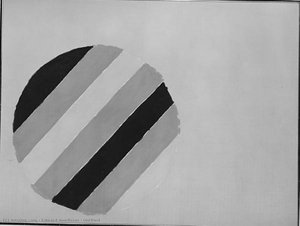
Edward Avedisian (June 15, 1936 – August 17, 2007) stands as a significant figure in the landscape of American abstract painting during the mid-century’s formative years. Born in Lowell, Massachusetts, his artistic journey began with formal training at Boston's School of the Museum of Fine Arts, establishing him firmly within the burgeoning movement of Color Field painting – a stylistic approach characterized by expansive canvases dominated by luminous hues and subtly blended tones. However, Avedisian swiftly transcended this initial association, embracing a more emotionally resonant style known as lyrical abstraction, which would solidify his reputation as one of the era’s most compelling voices.
- Early Years & Artistic Foundations: Studying at Boston's School of Fine Arts instilled in him a deep appreciation for tonal harmony and compositional balance – principles that would permeate his subsequent work.
- New York City Arrival (1958): Moving to New York City marked a pivotal moment, propelling him into the epicenter of artistic innovation and exposing him to influential contemporaries shaping the direction of abstract expressionism.
His formative years were punctuated by prolific exhibitions showcasing his evolving aesthetic sensibilities. Between 1958 and 1963, he garnered considerable acclaim with six solo shows at galleries like Hansa and Tibor de Nagy, establishing a foothold in the burgeoning New York art scene. These early presentations demonstrated an unwavering commitment to exploring color’s expressive potential—particularly its ability to convey mood and emotion—a characteristic that would become synonymous with his artistic vision. Notably, his paintings appeared on the cover of Artforum in 1969, signaling recognition from a respected publication dedicated to contemporary art discourse. Furthermore, he was included in “Op Art: The Responsive Eye” at MoMA (1965) and four annuals at the Whitney Museum of American Art, cementing his place within the canon of influential artists shaping the visual culture of the time.
- Mid-Career Recognition & Institutional Engagement: From 1962 to 1975, Avedisian maintained a consistent presence on the gallery circuit, securing commissions and fostering connections with collectors who appreciated his distinctive artistic style.
- Whitney Museum Presence: His work was repeatedly showcased at the Whitney Museum of American Art, highlighting its enduring appeal and demonstrating its significance within broader art historical narratives.
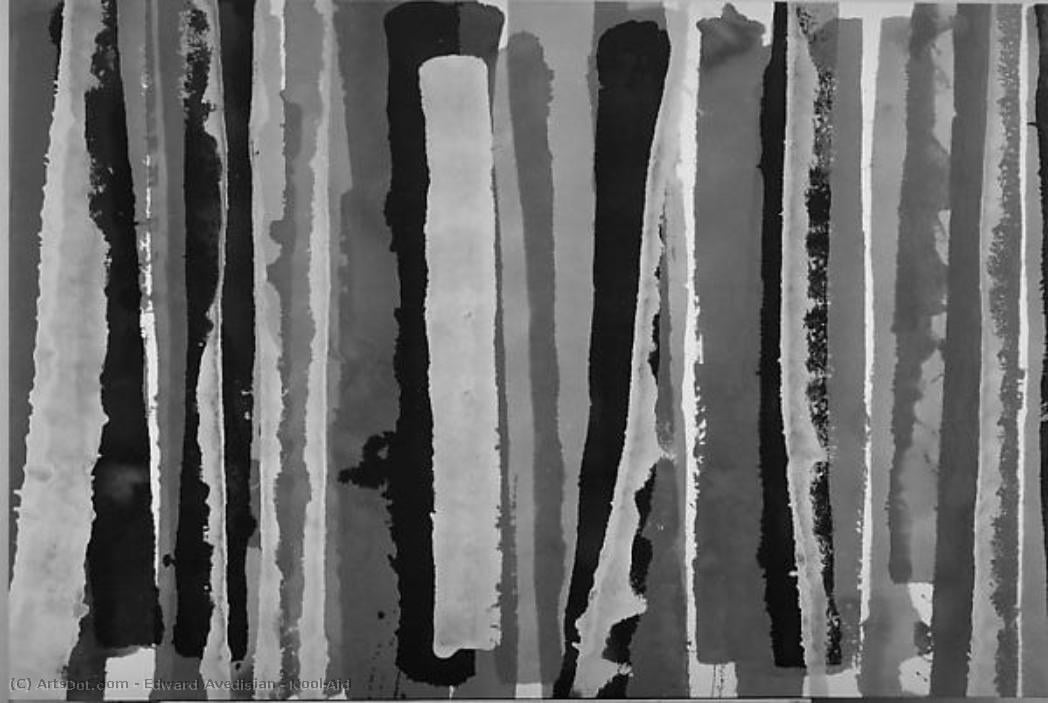
Avedisian’s lyrical abstraction—characterized by swirling brushstrokes, layered textures, and a deliberate avoidance of representational imagery—became his signature style. He sought to capture intangible feelings and sensations through pigment and form, prioritizing intuition over intellectual calculation. This approach resonated powerfully with audiences captivated by the expressive power of color and gesture, mirroring the broader trends within abstract art during the 1960s. His paintings were widely circulated and acquired by prominent museums across the United States, ensuring his legacy as a pivotal contributor to American artistic heritage. He passed away in August 2007, leaving behind his son, Joseph, of Brooklyn, New York, and a grandson—a testament to the enduring impact of an artist who dared to explore the depths of human emotion through the language of abstraction.



 Preview
 Buy Hand Made Painting
 Send
Send Share
Share
 Details

 Download
 Similars
 X-Ray
X-Ray Diaporama

 Read More






































 Glass option is only available in size under 110 CM