

 Tempera On PanelWallArtItalian Renaissance
 1268Late Medieval
 336.0 x 267.0 cm
 San Domenico
Museum-quality giclée or canvas print with fast production and flexible finish options. ( Buy Hand Made Painting Switch to Digital Image)





























Pick from our preset sizes that match the artwork's original proportions.

Type the width and the height you need, to fit your frame or your wall. A print can only be cut, never made bigger than the picture, so a size with a different shape loses a part of the image. We send you a digital mockup to approve before we print anything. The picture shown on this page does not show the real cut — only the mockup does.
Worldwide Delivery () in 2 weeks instead of standard 4/5 weeks. (25 October)
Crucifix
Reproduction Size
In the heart of Italian art history, Giovanni Cimabue stands as a monumental figure, a master who skillfully navigated the artistic currents flowing from the rigid grandeur of the Byzantine Empire toward the burgeoning innovations of the early Renaissance. His Crucifix is not merely a religious icon; it is a profound testament to a period of transformative change. Painted with an unwavering determination that earned him the nickname “bull-ed,” Cimabue dared to subtly challenge established conventions, laying the essential groundwork for the humanistic ideals that would later be championed by masters like Giotto. This work embodies a deliberate shift in sensibility, moving away from the stylized, flattened iconography of the past toward a more naturalistic and emotionally resonant representation of the divine.
The composition is dominated by the central figure of Christ, whose presence is both physically imposing and deeply moving. Through a masterful blend of Byzantine influence and emerging realism, Cimabue employs tempera paint on wood to achieve a remarkable luminosity. The technique involves the careful layering of translucent glazes, a hallmark of the Byzantine tradition, which allows light to dance across the surface, lending a celestial quality to the scene. While the gilding and the monumental scale of the cross link the piece to sacred tradition, the expressive musculature and the fluid drapery of the figures suggest a newfound commitment to anatomical fidelity and volume.
Beyond its technical brilliance, the Crucifix serves as a powerful vessel for spiritual narrative. Flanked by the poignant figures of Mary and John, the painting captures the profound sorrow of the crucifixion with an unprecedented sense of pathos. The artist’s attention to detail is particularly striking in the intricate designs adorning the central beam of the cross; these patterns reflect Byzantine decorative motifs but are executed with a dynamic textural richness that signals the dawn of Renaissance principles. Above the scene, a starry sky serves as a backdrop, evoking biblical narratives of divine providence and enveloping the tragedy in a sense of cosmic significance.
For the discerning collector or interior designer, a museum-quality reproduction of this masterpiece offers more than just decoration; it provides an opportunity to invite a piece of history into a contemporary space. The work’s ability to evoke both awe and introspection makes it a captivating focal point for any curated collection. It remains an enduring symbol of faith and artistic courage, capturing a pivotal moment when art began to reflect the depth of human emotion and the beauty of the natural world. To possess such a piece is to hold a window into the very moment Western art began its journey toward the light of the Renaissance.
With its dramatic mood, "Crucifix" is suggested for a living room.
With its neutrals palette, "Crucifix" by Cimabue is recommended for a living room. The colors are part of the reason for this suggestion.
You can see the original "Crucifix" at the San Domenico, Arezzo, Italy.


1240 - 1302 , Italy
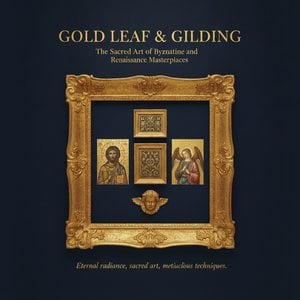
Explore the divine mastery of Byzantine gold leaf and gilding. Discover how ancient artisans used gold ground and mosaics to create celestial light, a timeless legacy of spiritual splendor and technical excellence in sacred art history.

Embark on a scholarly journey through the golden era of Byzantine art. Discover the profound symbolism, masterful mosaics, and imperial grandeur that defined an epoch of spiritual and aesthetic splendor in this expert-led guide for art enthusiasts.

Unveil the sacred secrets of egg tempera on panel. Journey through the technical mastery and profound artistry of the Old Masters, from Giotto to Botticelli. An essential educational guide for Renaissance art enthusiasts seeking deep historical insight and expertise.

Embark on a visual journey through the world's most radiant masterpieces. Discover how gold leaf, impasto textures, and gilded tones define luxury in fine art, from Byzantine icons to modern abstracts. Explore the eternal allure of gold in curated, museum-quality art collections.

 Preview
 Send
Send Share
Share
 Details
 Guide
Guide

 Download
 Similars
 X-Ray
X-Ray Diaporama
 Stats
Stats Read More









 Glass option is only available in size under 110 CM


