

Hand-painted oil on canvas in your size and frame, made to order by our artists. ( Switch to Print Switch to Digital Image)





























Pick from our preset sizes that match the artwork's original proportions.

You may enter your own dimensions to fit a specific frame or space. If your selected size does not match the original image's proportions, we will either crop the artwork or extend the painting with additional hand-painted elements. A digital mockup will be sent for your approval before production begins.
Please note that the on-screen preview does not reflect the actual cropping or extension. Only the mockup will accurately show the final composition.
While custom sizes are available, we recommend selecting a dimension from the predefined list to preserve the original proportions.
Worldwide Delivery () in 3/4 weeks instead of standard 5 weeks. (25 September). No compromise on quality.


Quince Blossoms
Reproduction Size
Charles Caryl Coleman's "Quince Blossoms," painted in 1878, isn’t merely a depiction of flowers; it’s an invitation to step into a meticulously crafted world of aesthetic beauty. This captivating work, now faithfully reproduced through WahooArt’s hand-painted reproductions, embodies the core tenets of the Aesthetic Movement – a philosophy that prioritized art for its own sake, rejecting utilitarianism in favor of sensory delight and emotional resonance. The painting immediately draws the eye to a table laden with vases overflowing with quince blossoms, their golden hues radiating an almost ethereal glow against a subtly rendered background. Beyond the immediate visual pleasure, however, lies a deeper narrative woven from historical context, artistic technique, and symbolic richness.
Coleman’s choice of subject matter – the humble quince – speaks volumes about his aesthetic sensibilities. The quince, with its complex history as both a food source and a symbol in ancient cultures, represented fertility, abundance, and even, paradoxically, mourning. Its hard, fragrant fruit was prized for its medicinal properties and used in traditional remedies, while its association with the goddess Aphrodite linked it to themes of love and beauty. The artist’s careful arrangement of these blossoms within a domestic setting – a table adorned with other vases, bowls, and textiles – suggests a deliberate attempt to create a harmonious composition that appeals to all the senses. The inclusion of Japanese fans and Chinese pottery hints at Coleman's fascination with exotic cultures and his desire to synthesize diverse artistic influences into a unified aesthetic experience.
Examining the painting reveals Coleman’s mastery of technique, honed through rigorous training under William Holbrook Beard and Thomas Couture. The brushstrokes are delicate yet confident, creating a sense of luminous softness that is characteristic of the Aesthetic Movement. He employs a subtle glazing technique, layering thin washes of color to build up depth and luminosity – particularly evident in the rendering of the blossoms themselves. Notice how he captures the velvety texture of the petals and the way light filters through them, creating an almost three-dimensional effect. The muted palette—predominantly creams, golds, and pale pinks—contributes to the painting’s overall sense of tranquility and refinement. The background is deliberately understated, allowing the blossoms to take center stage and emphasizing their delicate beauty.
Coleman's style aligns closely with the broader trends of the late 19th century, drawing inspiration from both French Impressionism and Japanese aesthetics. The influence of Japonisme – a fascination with Japanese art and culture that swept through Europe at the time – is particularly evident in the composition’s asymmetrical arrangement and its emphasis on natural forms. The careful attention to detail, combined with a willingness to experiment with color and texture, distinguishes Coleman's work from more traditional academic styles.
Born in Buffalo, New York, in 1840, Charles Caryl Coleman spent much of his life abroad, particularly on the idyllic island of Capri. He established a studio there in 1870, becoming a prominent figure in the expatriate community that thrived during this period. His work reflects his deep connection to the landscape and culture of Italy, as well as his enduring fascination with beauty and art. Coleman’s life was marked by both success and hardship; he served in the Union Army during the Civil War, sustaining serious injuries that threatened his artistic career. Yet, through perseverance and a unwavering commitment to his craft, he ultimately achieved recognition for his exquisite floral panels and decorative paintings.
The “Quince Blossoms” painting is more than just a beautiful image; it’s a testament to the power of art to evoke emotion and transport us to another time and place. It embodies the Aesthetic Movement's core values – beauty, harmony, and sensory delight – and offers a glimpse into the artistic sensibilities of a truly remarkable artist. WahooArt’s faithful reproductions allow you to experience this masterpiece in all its glory, bringing Coleman’s vision to life with unparalleled detail and artistry.


1840 - 1928 , United States of America

Discover the captivating world of Charles Fraser (1782-1860), a leading American artist renowned for his serene landscapes and detailed portraits of Southern life. Explore his legacy & find museum-quality reproductions at WahooArt.

Explore the rich history of floral painting! Discover symbolism, techniques & masterpieces from Van Huysum to O'Keeffe. Expert insights for art lovers & collectors at WahooArt.

Explore the elegant world of Charles-André van Loo, a master of Rococo portraiture at the French court. Discover his life, techniques, and enduring influence on 18th-century art. Hand-painted reproductions available.
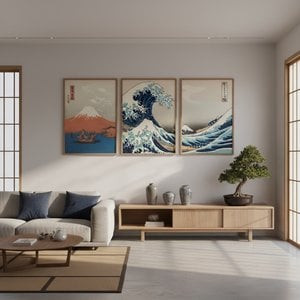
Journey through Katsushika Hokusai’s 25 most iconic artworks, including *The Great Wave*. Explore the ukiyo-e master's history, style & timeless Japanese woodblock prints. Find museum-quality reproductions for your home at WahooArt.com.
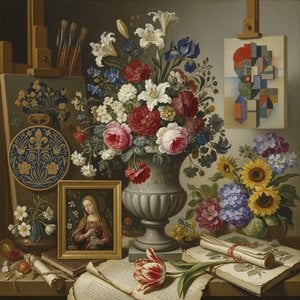
Explore the rich history of flower symbolism in Western painting! Discover how artists from the Renaissance to Modernism used blossoms to convey meaning, emotion & beauty. Learn about iconic artworks and movements.

 Preview
 Send
Send Share
Share
 Details
 Guide
Guide

 Download
 Similars
 X-Ray
X-Ray Diaporama
 Stats
Stats


 Read More







 Glass option is only available in size under 110 CM


