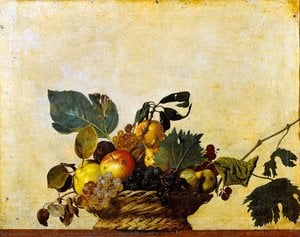
Oil On CanvasWallArtBaroque
 1593Early Modern
 106.0 x 97.0 cm
Museum-quality giclée or canvas print with fast production and flexible finish options. ( Buy Hand Made Painting Switch to Digital Image)





























Pick from our preset sizes that match the artwork's original proportions.

You may enter your own dimensions to fit a specific frame or space. If your selected size does not match the original image's proportions, we will either crop the artwork or extend the image with a mirrored or solid-fill edge. A digital mockup will be sent for your approval before production begins.
Please note that the on-screen preview does not reflect the actual cropping or extension. Only the mockup will accurately show the final composition.
While custom sizes are available, we recommend selecting a dimension from the predefined list to preserve the original proportions.
Worldwide Delivery () in 2 weeks instead of standard 4/5 weeks. (22 September)


Penitent Magdalen
Reproduction Size
Caravaggio's "Penitent Magdalen" portrays Mary Magdalene, a biblical figure known for her repentance after a life of sin. The painting depicts her in a moment of profound introspection and sorrow following Christ’s resurrection. Unlike traditional portrayals that often show her as a beautiful and idealized figure, Caravaggio presents a strikingly realistic depiction of a woman humbled by remorse. She is shown seated on the ground, her head bowed in contemplation, with long, disheveled hair cascading down her back. Scattered around her are symbols of her former life: jewelry and a stoppered bottle, representing wealth and indulgence now abandoned. The composition is deliberately sparse, focusing entirely on Magdalene's emotional state and spiritual transformation. A chair sits to the left, seemingly unused, further emphasizing her rejection of worldly possessions.
The painting exemplifies Caravaggio’s revolutionary approach to art during the Baroque period. He masterfully employed chiaroscuro – a technique utilizing dramatic contrasts between light and shadow – to create a powerful sense of volume, depth, and emotional intensity. The stark lighting highlights Magdalene's face and hands, drawing the viewer's attention to her expressions of grief and repentance. Caravaggio’s commitment to realism is evident in his depiction of the human form; he eschewed idealized beauty for an honest portrayal of age, weariness, and vulnerability. This departure from traditional artistic conventions was both praised and criticized during his time but has since become a hallmark of his unique style.
Created around 1593, "The Penitent Magdalen" emerged during the Counter-Reformation, a period when the Catholic Church sought to reaffirm its authority through art. Paintings depicting religious themes were commissioned to inspire piety and devotion. Caravaggio’s work resonated with this movement by presenting relatable human figures grappling with faith and redemption. The symbolism within the painting is rich: the discarded jewelry represents Magdalene's renunciation of worldly pleasures, while the tear on her cheek signifies genuine sorrow and repentance. The overall atmosphere conveys a sense of spiritual awakening and the transformative power of forgiveness.
"The Penitent Magdalen" evokes a profound sense of empathy and introspection in the viewer. Caravaggio’s ability to capture raw emotion through his realistic portrayal of Magdalene's suffering is remarkable. The painting’s enduring appeal lies in its exploration of universal themes – repentance, forgiveness, and the search for spiritual meaning. It stands as a testament to Caravaggio’s genius and has profoundly influenced generations of artists, solidifying his place as one of the most important figures in Western art history.


1571 - 1610 , Spain

Explore the profound mastery of Caravaggio's tenebrism. Discover how his dramatic use of chiaroscuro revolutionized Baroque art through intense emotion and realism. An expert guide for classic art enthusiasts seeking to understand the power of shadow in historical masterpieces.

Discover the profound emotional power of Baroque painting. Explore the mastery of chiaroscuro, the realism of Caravaggio, and the dramatic interplay of light and shadow in this expert guide for classical art enthusiasts and collectors.
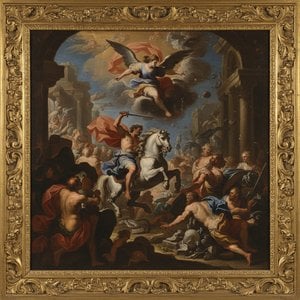
Explore the breathtaking power of Baroque art. Delve into the dramatic interplay of light, shadow, and motion through the works of masters like Caravaggio. Discover how the era's intense emotional realism continues to inspire collectors and connoisseurs of classical grandeur.

Embark on a sophisticated journey through Italian Baroque art. Discover the dramatic interplay of light and emotion in Caravaggio’s masterpieces and explore how to bring this timeless grandeur into your collection with expert art insights.

 Preview
 Send
Send Share
Share
 Details
 Guide
Guide

 Download
 Similars
 X-Ray
X-Ray Diaporama
 Stats
Stats Read More







 Glass option is only available in size under 110 CM