
x


Purchase a high-resolution, enhanced digital image, far superior to the online preview.
Each file is meticulously prepared by our in-house specialists using advanced tools and expert manual retouching. We ensure every image has exceptional clarity, precise color accuracy, and fine detail.
The final file is delivered via email within 72 hours, optimized for immediate use in professional, editorial, and print environments. This is the same quality trusted by top-tier design studios, publishers, and galleries.
Download a high-resolution file for personal display, printing, and creative projects. ( Buy Print Buy Hand Made Painting)
When you choose WahooArt.com, you're not just getting an image - you're receiving a professionally enhanced digital artwork, crafted with precision and backed by a satisfaction guarantee. Here's everything that comes with your order, automatically:

Your high-resolution digital image file will be emailed to you within 72 hours of ordering - ready for immediate use.

Your artwork is professionally optimized using advanced AI tools and manual editing, ensuring maximum detail, clarity, and color accuracy.

Accidentally deleted or lost your file? No worries - we'll resend it to you anytime, free of charge.

Enjoy your artwork instantly with zero customs, duties, or delivery fees - digital downloads are always tax-free.

We ensure your digital image reflects the original colors as closely as possible using professional tools and color management.

If you're not satisfied with your digital image, we'll revise it or refund 100% within 60 days - no questions asked.

Not satisfied? Get a full refund within 60 days of receiving your digital file - no questions asked.

Buy 3 images, save 10% - Buy 5, save 15% - Buy 10+, save 20%. Great for creative projects, galleries, and agencies.

Born Barrie Bates in Auckland, New Zealand, on December 31st, 1935, Billy Apple’s artistic journey was a radical transformation—a deliberate shedding of identity to forge a new persona entirely dedicated to exploring the intersection of art, commerce, and everyday life. His career spanned six decades, marked by a relentless experimentation with materials, concepts, and his own self-branding, ultimately establishing him as a pivotal figure in both Pop Art and Conceptual Art movements. Apple’s work wasn't simply about creating objects; it was about questioning the very nature of art itself – its value, its context, and its relationship to the world around us.
Early influences were surprisingly diverse. Bates’ initial training at Elam School of Fine Arts in Auckland exposed him to a burgeoning New Zealand art scene, but his true artistic awakening occurred during his studies at the Royal College of Art in London in 1959. There, amidst the vibrant and challenging environment of post-war British art, he encountered artists like David Hockney and Ridley Scott, absorbing their innovative approaches while simultaneously forging his own distinct path. This period laid the groundwork for his later embrace of Pop Art’s fascination with popular culture and its critique of consumerism – a theme that would become central to his practice.
In 1962, Bates dramatically reinvented himself as Billy Apple. This wasn't merely a name change; it was a complete artistic statement. He bleached his hair and eyebrows with Lady Clairol Instant Cremé Whip – a deliberate act of appropriation and subversion, immediately signaling a rejection of traditional notions of the artist’s persona. The creation of ‘Billy Apple’ coincided with a move to New York City in 1964, where he began to actively participate in the burgeoning Pop Art scene. This strategic rebranding allowed him to operate outside the constraints of personal identity and focus solely on his artistic vision.
Apple's early work in New York was characterized by a playful engagement with technology and consumer culture. The “American Supermarket” exhibition, curated by Ben Birillo in 1964, showcased everyday objects – produce, canned goods, advertisements – all created by prominent Pop artists, including Apple himself. This project brilliantly highlighted the blurring lines between art and commerce, reflecting the growing influence of mass media and advertising on society. Later, his exploration of neon signage—particularly in works like “Apples to Xerox” (1965) and “Neon Rainbows” (1965)—became a signature element, utilizing bright, synthetic light to draw attention to the artificiality of modern life.
As the 1970s progressed, Apple shifted his focus towards more conceptual approaches. He established ‘APPLE,’ a groundbreaking alternative exhibition space in New York City’s West Village in 1969. This wasn't simply a gallery; it was a self-contained environment designed to challenge conventional art practices and foster dialogue. ‘APPLE’ operated as both an exhibition venue and a forum for artistic experimentation, hosting works by artists like Geoff Hendricks, Larry Miller, and Davi Det Hompson. The space became a vital hub for the avant-garde, pushing boundaries and questioning established hierarchies within the art world.
Beyond ‘APPLE,’ Apple continued to develop his own unique system of branding and self-promotion. He created a line of products – “Billy Apple” cider, coffee, and even an apple variety – extending his artistic identity into the realm of commerce. This strategic move wasn’t merely about generating revenue; it was a deliberate exploration of the relationship between art and capital, questioning the very definition of value within the art market.
Billy Apple's influence on contemporary art is profound. He pioneered techniques like neon sculpture and self-branding, pushing the boundaries of artistic expression and challenging traditional notions of the artist’s role. His work continues to be exhibited internationally, recognized for its conceptual rigor, playful experimentation, and critical engagement with society. Apple’s legacy extends beyond his individual artworks; he fundamentally altered the way artists approached their practice, demonstrating the power of self-invention and the potential for art to operate as a commentary on the world around us. He died in Auckland, New Zealand, on September 6th, 2021, leaving behind a body of work that remains both provocative and deeply insightful.
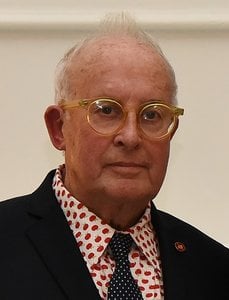
1935 - 2021


Stay updated with the latest art news, exclusive offers, and decoration ideas.
Tell us about your project and our art experts will provide you with 3 personalized art suggestions.
Let Us Curate 3 Options Just for You - Free!

 Preview
 Send
Send Share
Share
 Details

 Download
 Similars
 X-Ray
X-Ray Diaporama
 Read More


