FREE ART CONSULTATION

x
Buy Painting Buy PaintingBuy Image Buy Image SendSend
DetailsDetails Add to favorites Add to favorites DownloadDownload SimilarsSimilars X-RayX-Ray DiaporamaDiaporama

Tea Container

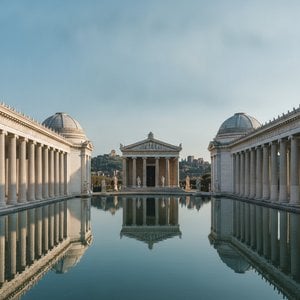
Admire Balthasar Wigand’s exquisite miniature depiction of the Parthenon frieze – a testament to precision and passion for classical art. Explore this captivating piece at the Wien Museum.

Discover Balthasar Wigand, an Austrian painter renowned for intricate miniatures & portraits. Explore his detailed works at the Vienna Museum of Applied Arts.

Giclée / Art Print

Museum-quality giclée or canvas print with fast production and flexible finish options.

P118B $10
P118H $10
P118W $10
P438Z $10
P508JH $12
P508YH $12
P805H $10
P805Z $10
P919BZ $10
P919G $10
P919XJ $10
P959ZH $10
P968JZ $12
W106C $8
W218G $10
W218JH $8
W218Y $10
W307PJ $10
W316G $10
W316PJ $8
W316Y $10
W398PJ $8
W4111J $10
W500HY $15
W500JH $15
W692G $12
W849H $8
W940BG $15
W953PJ $8

Standard
custom
CM
INCH

Pick from our preset sizes that match the artwork's original proportions.

width
height

You may enter your own dimensions to fit a specific frame or space. If your selected size does not match the original image's proportions, we will either crop the artwork or extend the image with a mirrored or solid-fill edge. A digital mockup will be sent for your approval before production begins.
Please note that the on-screen preview does not reflect the actual cropping or extension. Only the mockup will accurately show the final composition.
While custom sizes are available, we recommend selecting a dimension from the predefined list to preserve the original proportions.

Worldwide Delivery () in 2 weeks instead of standard 4/5 weeks. (2 July)

why_choose_icon
Free Worldwide Express Shipping
why_choose_icon
High-Quality Linen Canvas
why_choose_icon
Full Shipping Insurance
why_choose_icon
Customs Tax Refund Guarantee
why_choose_icon
True Color Matching Guarantee
why_choose_icon
60-Day Return Policy (Defects Only)
why_choose_icon
100% Money-Back Guarantee
why_choose_icon
Bulk Discount Offer

Total Price

-

reproduction

Tea Container

Giclée / Art Print

Reproduction Size

-

Total Price

-

Quick Facts

  • Movement: Romanticism
  • Location: Wien Museum, Vienna
  • Influences: Classical Antiquity
  • Artistic style: Realistic
  • Notable elements or techniques: Detailed miniature painting
  • Title: Tea Container
  • Subject or theme: Still Life

Collectible Description

A Delicate Echo of Antiquity: Exploring Balthasar Wigand’s Tea Container

The painting “Tea Container” by Austrian artist Balthasar Wigand, created in 1820, offers a captivating glimpse into the artistic fervor of early Romanticism. More than just a depiction of an everyday object—a simple tea container—it embodies a profound fascination with classical ideals and meticulous craftsmanship that speaks volumes about Wigand’s artistic vision. Currently housed at the Wien Museum in Vienna, Austria, this miniature masterpiece invites contemplation on beauty, precision, and the enduring influence of Greco-Roman art.

The Artist's Singular Pursuit: John Henning and Miniature Sculpture

Before delving into the specifics of Wigand’s work, it’s crucial to appreciate the context surrounding his artistic endeavors. John Henning (1771–1851), a Scottish sculptor whose career took an extraordinary turn, achieved fame not through grand monuments but through an astonishing undertaking: recreating the Parthenon and Bassae friezes on a scale that defied convention. These monumental replicas, stretching over twenty-four feet in length yet only two inches high, demonstrated Henning’s unparalleled dedication to accuracy and his passion for reviving classical forms within British artistic circles. This ambitious project underscores the broader cultural preoccupation with antiquity during Wigand's time—a desire to emulate the grandeur and intellectual rigor of ancient Greece.

Style and Technique: Gouache on Canvas – A Celebration of Detail

“Tea Container” exemplifies Wigand’s masterful technique, utilizing gouache paint on canvas. Gouache is known for its opacity and ability to achieve vibrant colors while maintaining a matte finish—a deliberate choice that enhances the painting's understated elegance. Wigand’s meticulous attention to detail is evident in every brushstroke, capturing the subtle textures of the wooden base, the gleaming gold trim, and most notably, the delicate scattering of tea leaves within the container. This painstaking process speaks to Wigand’s commitment to faithfully reproducing reality, mirroring Henning's dedication to recreating monumental sculptures with astonishing precision. The resulting image possesses a serene beauty—a testament to Wigand’s skill in conveying atmosphere and capturing the essence of his subject matter.

Symbolism Beyond Form: Echoes of Classical Ideals

The choice of depicting a tea container itself carries symbolic weight. Tea, originating from China, represented exotic luxury and refinement during the Victorian era – a period marked by an intense interest in Oriental culture. Wigand’s selection subtly nods to this cultural exchange, aligning with the broader artistic movement's embrace of influences from distant lands. Furthermore, the container’s form—simple yet elegant—reflects classical ideals of harmony and balance, mirroring the architectural principles championed by artists like Henning. The painting isn’t merely a representation of an object; it’s a conduit for conveying values rooted in antiquity – beauty, order, and contemplation.

Emotional Resonance: A Quiet Reflection on Artistic Mastery

Ultimately, “Tea Container” transcends its subject matter to evoke a feeling of quiet reverence. Its muted palette and meticulous rendering invite viewers to appreciate the artistry involved—the dedication required to achieve such remarkable accuracy. Like Henning’s miniature sculptures, Wigand's work speaks to an enduring fascination with classical art and a belief in the transformative power of artistic imitation. Reproductions of this piece offer not only visual delight but also access to a rich artistic heritage, allowing collectors and interior designers alike to incorporate a subtle reminder of timeless beauty into their spaces.

Artist Biography

John Henning: The Sculptor of Miniature Wonders

John Henning (1771–1851) wasn’t a name etched in the annals of grand historical sculpture, yet his legacy resides in an astonishing feat of artistic dedication and meticulous detail. Born in Paisley, Scotland, into a family rooted in carpentry, Henning’s journey from craftsman to miniature master is a testament to his singular vision and unwavering commitment. He didn't seek fame through monumental works; instead, he dedicated twelve years to painstakingly recreating the iconic Parthenon and Bassae friezes – colossal marble panels depicting scenes of ancient Greek life – on a scale that defied belief: tiny replicas just two inches high yet stretching over twenty-four feet in length. This remarkable achievement offers a unique window into the artistic sensibilities of early 19th-century Britain, revealing a fascination with classical antiquity and a burgeoning interest in accurate reproduction.

Henning’s early life provided a solid foundation for his future endeavors. Trained by his father, he initially honed his skills as a carpenter, developing an appreciation for the properties of wood and its potential for intricate detail. It was through portraiture that he truly discovered his artistic voice, creating cameos of friends and family that showcased his burgeoning talent for capturing likenesses with remarkable precision. This early success paved the way for him to pursue more ambitious projects, ultimately leading him to the monumental task of replicating the ancient friezes.

The Inspiration: Elgin’s Marbles and a Royal Patron

The catalyst for Henning's extraordinary undertaking was his encounter with the newly arrived Parthenon marbles in Burlington House. Witnessing these fragments of classical history, he became captivated by their beauty and complexity. Crucially, he secured permission from Lord Elgin to study and draw them, an opportunity that proved invaluable. It was during this period that Henning conceived the idea of using his drawings as a basis for creating slate molds – miniature versions capable of producing remarkably detailed replicas. This innovative approach, combined with the patronage of Princess Charlotte, provided him with the resources and encouragement he needed to embark on his ambitious project.

The Princess’s interest in Henning's work stemmed from her own fascination with classical art and literature. She commissioned a medallion portrait of the sculptor himself, an event that not only boosted his confidence but also exposed him to a wider circle of influential figures. This royal connection undoubtedly played a significant role in securing funding and recognition for his extraordinary endeavor.

The Process: A Labor of Love

Henning’s process was nothing short of obsessive. He meticulously studied the original friezes, painstakingly recreating every detail – from the folds of drapery to the expressions on the faces of the figures. He utilized a complex system of slate molds, each requiring countless iterations and adjustments to achieve the desired level of accuracy. The sheer scale of the project demanded immense patience and unwavering dedication; it was a labor of love that consumed his life for twelve years. His work wasn’t simply copying; he aimed to recreate the essence of the originals, capturing their spirit and grandeur in miniature.

Interestingly, Henning didn't attempt to copyright his creations, recognizing the impossibility of protecting the work of long-dead artists. This reflects a broader attitude towards artistic ownership during that era, where inspiration and imitation were often seen as integral parts of the creative process. The Bassae frieze, added later to the project, further extended this period of intense dedication.

Legacy and Significance

John Henning’s miniature replicas of the Parthenon and Bassae friezes represent a remarkable achievement in the history of art reproduction. They demonstrate not only his exceptional technical skill but also his deep appreciation for classical antiquity. His work influenced subsequent generations of artists and craftsmen, contributing to the development of techniques for accurate reproduction and inspiring a renewed interest in ancient Greek culture. While he may not be as widely celebrated as some of his contemporaries, Henning’s legacy endures through these exquisite miniature masterpieces – tangible testaments to his dedication, ingenuity, and profound respect for the past.

Today, fragments of these remarkable creations can be viewed at the Musée du Louvre in Paris. They stand as a poignant reminder of a solitary artist who dedicated his life to capturing the beauty and grandeur of ancient Greece on a scale that defied imagination.

balthasar wigand

balthasar wigand

1771 - 1846 , Austria

Quick Facts

  • Artistic Movement Or Style: Sculpture, Miniatures
  • Artists Who Influenced This Artist: ['None],\n "Artists or movements influenced by this artist": [None']
  • Date Of Birth: 1771
  • Date Of Death: 1851
  • Full Name: John Henning
  • Nationality: Scottish
  • Notable Artworks:
    • Parthenon frieze
    • Bassae frieze
  • Place Of Birth: Paisley, Scotland
Explore artworks organized by themes, styles, and characteristics.