
x


 Acrylic On CanvasWallArtEarly Renaissance
 1465
1465 86.0 x 69.0 cm
Hand-painted oil on canvas in your size and frame, made to order by our artists. ( Buy Print Buy Image)





























Pick from our preset sizes that match the artwork's original proportions.

You may enter your own dimensions to fit a specific frame or space. If your selected size does not match the original image's proportions, we will either crop the artwork or extend the painting with additional hand-painted elements. A digital mockup will be sent for your approval before production begins.
Please note that the on-screen preview does not reflect the actual cropping or extension. Only the mockup will accurately show the final composition.
While custom sizes are available, we recommend selecting a dimension from the predefined list to preserve the original proportions.
Worldwide Delivery () in 3/4 weeks instead of standard 5 weeks. (27 August). No compromise on quality.


The Presentation
Reproduction Size
Andrea Mantegna’s “The Presentation at the Temple,” painted around 1455, stands as a cornerstone of Early Renaissance art—a testament to its fascination with classical ideals and meticulous observation of detail. More than just a depiction of biblical narrative, it embodies a profound intellectual engagement with Roman antiquity, reflecting Mantegna's formative years under Francesco Squarcione’s tutelage at Padua’s humanist workshop.
The color palette leans heavily on earthy tones – browns, reds, and golds – accented by delicate whites and muted blues. These hues are strategically contrasted to highlight key figures like Mary’s pale skin and the infant Jesus’ crimson robe, emphasizing visual impact and conveying solemn reverence.
Beyond its formal elements, “The Presentation” resonates with profound symbolic meaning. The aureola encircling Mary, Jesus, and Simeon signifies holiness and divine grace, while the expressions on their faces convey tenderness, piety, and unwavering faith—capturing the essence of spiritual contemplation.
Mantegna’s dedication to accuracy—evident in the detailed rendering of drapery folds, skin tones, and architectural elements—reflects a humanist impulse rooted in the rediscovery of classical knowledge. This artwork remains an enduring emblem of Renaissance artistic ambition: a courageous attempt to revive the grandeur and intellectual rigor of Rome amidst the burgeoning cultural landscape of Florence and Padua.


1431 - 1506 , Italy
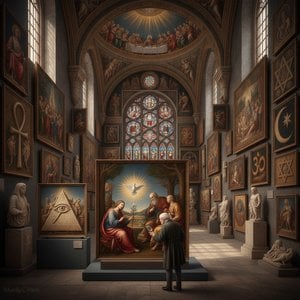
Explore the profound power of religious symbolism in art history. From Renaissance masterpieces to sacred iconography, uncover the hidden meanings behind divine details in a deep dive into classical art excellence.
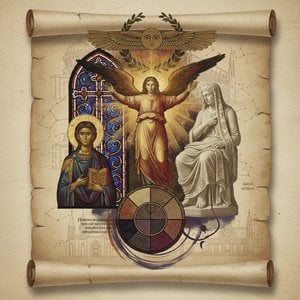
Explore the profound impact of spiritual themes in fine art. From Renaissance iconography to Baroque drama, discover how sacred symbolism and divine visions have shaped art history through a scholarly and reflective lens.


Stay updated with the latest art news, exclusive offers, and decoration ideas.
Tell us about your project and our art experts will provide you with 3 personalized art suggestions.
Let Us Curate 3 Options Just for You - Free!

 Preview
 Send
Send Share
Share
 Details

 Download
 Similars
 X-Ray
X-Ray Diaporama
 Read More







 Glass option is only available in size under 110 CM


