
x


 Oil On CanvasWallArtFauvism
 17.0 x 34.0 cm
 Fitzwilliam College
Hand-painted oil on canvas in your size and frame, made to order by our artists. ( Buy Print Buy Image)





























Pick from our preset sizes that match the artwork's original proportions.

You may enter your own dimensions to fit a specific frame or space. If your selected size does not match the original image's proportions, we will either crop the artwork or extend the painting with additional hand-painted elements. A digital mockup will be sent for your approval before production begins.
Please note that the on-screen preview does not reflect the actual cropping or extension. Only the mockup will accurately show the final composition.
While custom sizes are available, we recommend selecting a dimension from the predefined list to preserve the original proportions.
Worldwide Delivery () in 3/4 weeks instead of standard 5 weeks. (26 August). No compromise on quality.


Still Life
Reproduction Size
André Derain's "Still Life," painted between 1921 and 1922, isn’t merely a depiction of fruit and vegetables; it’s a carefully constructed meditation on the transient beauty of everyday objects and the quiet dignity of domesticity. This work, now residing within the Art Gallery of New South Wales' collection, offers a fascinating glimpse into the artist’s evolving style – a deliberate shift away from the vibrant, almost aggressively colorful Fauvism that defined his earlier career and towards a more restrained, classically-influenced aesthetic.
The scene itself is deceptively simple: a bowl overflowing with olives and a solitary green pepper rest upon a pristine white plate. Yet, within this apparent stillness lies a remarkable dynamism. Derain’s brushstrokes are not smooth or polished; instead, they possess a palpable energy, building up layers of paint to create a textured surface that seems to shimmer in the light. The composition is dominated by the oval form of the plate, acting as a central anchor and drawing the eye inward. Notice how he utilizes broken lines and fragmented forms – echoes of Cubism but tempered with a sensitivity to color and shape reminiscent of his earlier Fauvist period.
To fully appreciate “Still Life,” it’s crucial to understand Derain's artistic journey. Following the explosive success of Fauvism, he embarked on a period of intense self-reflection, seeking inspiration in the art of the Renaissance masters – particularly Jan van Eyck and Hieronymus Bosch. This exploration led him to a renewed interest in order, harmony, and detachment, qualities he sought to embody in his later works. The muted palette—a blend of greys, browns, and subtle greens—reflects this shift away from the bold, unrestrained colors of his Fauvist phase.
However, Derain never abandoned his inherent expressive tendencies entirely. The painting retains a certain emotional resonance, a quiet intensity conveyed through the deliberate manipulation of color and texture. The olive’s dark hue, contrasted against the bright green pepper, creates a subtle tension, hinting at both abundance and decay – a poignant reminder of the fleeting nature of beauty. This duality is characteristic of Derain's work throughout his career: a constant negotiation between tradition and innovation, restraint and expression.
Like many still life paintings of its era, “Still Life” carries layers of symbolic meaning. The arrangement of objects – the bowl, the plate, the fruit – can be interpreted as a visual representation of nourishment, abundance, and the cycle of seasons. The presence of olives, often associated with peace and prosperity, further reinforces this theme. Moreover, the painting’s composition subtly alludes to the tradition of *vanitas* paintings, which traditionally included objects representing mortality and the transience of earthly pleasures. The simple arrangement, devoid of overt religious iconography, suggests a more secular reflection on these themes – a quiet contemplation of life's ephemeral nature.
André Derain’s “Still Life” is a testament to the enduring power of seemingly simple subjects. Its evocative brushwork, subtle color palette, and layered symbolism continue to captivate viewers today. When considering a high-quality reproduction, it's important to select one that accurately captures the painting’s textural richness and nuanced tonal variations. The interplay of light and shadow, so skillfully rendered by Derain, is particularly crucial – ensuring that the reproduction conveys the same sense of depth and atmosphere as the original.
Whether displayed in a formal gallery setting or incorporated into a personal interior design scheme, “Still Life” offers a timeless reminder of beauty’s fleeting nature and the enduring appeal of everyday objects. It is a work that invites contemplation, sparking a dialogue between the viewer and the artist's profound understanding of light, color, and the human condition.


1880 - 1954 , France

Explore the vibrant world of Fauvism with our expert guide. Discover how Matisse and Derain revolutionized art through bold colors and expressive strokes. Perfect for classic art enthusiasts seeking to deepen their passion for modern masterpieces.
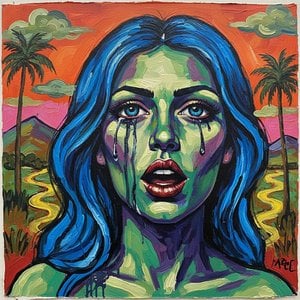
Embark on a journey through the vibrant world of Fauvism. Discover how masters like Henri Matisse revolutionized art through bold colors and raw emotion in this expert-led guide to one of modern art's most powerful movements.

Explore the vibrant revolution of Fauvism. Discover how masters like Matisse liberated color to redefine modern art. Dive into an expert-led journey through the 'Wild Beasts' movement and learn how to bring this bold, expressive energy into your personal collection.


Stay updated with the latest art news, exclusive offers, and decoration ideas.
Tell us about your project and our art experts will provide you with 3 personalized art suggestions.
Let Us Curate 3 Options Just for You - Free!

 Preview
 Send
Send Share
Share
 Details

 Download
 Similars
 X-Ray
X-Ray Diaporama
 Read More







 Glass option is only available in size under 110 CM


