
x


 OilWallArtPost-Impressionist
 1907Modern
 22.0 x 27.0 cm
 Oklahoma City Museum of Art
Hand-painted oil on canvas in your size and frame, made to order by our artists. ( Buy Print Buy Image)





























Pick from our preset sizes that match the artwork's original proportions.

You may enter your own dimensions to fit a specific frame or space. If your selected size does not match the original image's proportions, we will either crop the artwork or extend the painting with additional hand-painted elements. A digital mockup will be sent for your approval before production begins.
Please note that the on-screen preview does not reflect the actual cropping or extension. Only the mockup will accurately show the final composition.
While custom sizes are available, we recommend selecting a dimension from the predefined list to preserve the original proportions.
Worldwide Delivery () in 3/4 weeks instead of standard 5 weeks. (29 August). No compromise on quality.


Classic composition
Reproduction Size
In his 1907 masterpiece, "Classic Composition," André Derain invites the viewer into a mythic landscape where the boundaries between reality and emotion dissolve into a vibrant tapestry of color. This work stands as a profound testament to the transition from the wild, expressive energy of Fauvism toward a more structured, classical sensibility. At first glance, the scene presents a deceptively tranquil pastoral setting: five nude figures are nestled within an undulating expanse of verdant hills, bordered by a river that mirrors the serene azure of the sky. Yet, beneath this surface of calm lies a deliberate and powerful exploration of form. Derain does not merely seek to replicate nature; he seeks to reconstruct it through a lens of emotional truth, drawing deep inspiration from the geometric foundations laid by Paul Cézanne.
The painting’s power resides in its rhythmic composition and the way it directs the eye across the canvas. The landscape is divided into sloping planes of emerald and forest green, creating a sense of depth that feels both grounded and dreamlike. These verdant slopes are punctuated by sudden, brilliant splashes of citrus-colored pigments—lemon yellows and warm oranges—that act as visual sparks, breathing life into the earth. The figures themselves are strategically placed to create a compelling dialogue between observation and representation; one woman turns her gaze toward the viewer, momentarily breaking the fourth wall and drawing us into this private, sun-drenched sanctuary. Even the small detail of a bowl in the lower right corner serves as an anchor, adding a touch of domestic intimacy to the vast, mythic expanse.
To understand "Classic Composition," one must appreciate the revolutionary spirit of the Fauves, or "wild beasts," of which Derain was a founding architect. Moving away from the Impressionist obsession with capturing fleeting light, Derain utilized color as an independent, expressive force. The technique is characterized by thick, impasto-like applications of paint and loose, energetic brushstrokes that lend the canvas a palpable texture. This tactile quality allows the light to dance across the surface, making the landscape feel as though it is breathing. The juxtaposition of intense, sometimes jarring hues—crimson reds against deep greens—is a calculated move designed to stimulate the senses and evoke an immediate, visceral response from the spectator.
For the discerning collector or interior designer, this piece offers more than just aesthetic beauty; it provides a focal point of intellectual and emotional depth. The painting embodies a "Return to Order," a movement that sought to find stability and classical grace following the radical experiments of early modernism. Its balance of bold, avant-garde color with a structured, harmonious composition makes it an incredibly versatile acquisition. Whether placed in a contemporary gallery setting or used to add a sophisticated, historical soul to a modern living space, "Classic Composition" radiates a timeless elegance. It is a work that does not merely decorate a room but transforms it, offering a window into a world where nature and human emotion exist in perfect, colorful equilibrium.


1880 - 1954 , France

Explore the vibrant revolution of Fauvism. Discover how masters like Matisse liberated color to redefine modern art. Dive into an expert-led journey through the 'Wild Beasts' movement and learn how to bring this bold, expressive energy into your personal collection.

Explore the vibrant world of Fauvism with our expert guide. Discover how Matisse and Derain revolutionized art through bold colors and expressive strokes. Perfect for classic art enthusiasts seeking to deepen their passion for modern masterpieces.
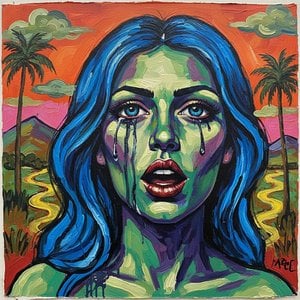
Embark on a journey through the vibrant world of Fauvism. Discover how masters like Henri Matisse revolutionized art through bold colors and raw emotion in this expert-led guide to one of modern art's most powerful movements.


Stay updated with the latest art news, exclusive offers, and decoration ideas.
Tell us about your project and our art experts will provide you with 3 personalized art suggestions.
Let Us Curate 3 Options Just for You - Free!

 Preview
 Send
Send Share
Share
 Details

 Download
 Similars
 X-Ray
X-Ray Diaporama
 Read More







 Glass option is only available in size under 110 CM


