
x


 Acrylic On CanvasWallArtEarly Modernism
 1917
1917 73.0 x 116.0 cm
Hand-painted oil on canvas in your size and frame, made to order by our artists. ( Buy Print Buy Image)





























Pick from our preset sizes that match the artwork's original proportions.

You may enter your own dimensions to fit a specific frame or space. If your selected size does not match the original image's proportions, we will either crop the artwork or extend the painting with additional hand-painted elements. A digital mockup will be sent for your approval before production begins.
Please note that the on-screen preview does not reflect the actual cropping or extension. Only the mockup will accurately show the final composition.
While custom sizes are available, we recommend selecting a dimension from the predefined list to preserve the original proportions.
Worldwide Delivery () in 3/4 weeks instead of standard 5 weeks. (29 August). No compromise on quality.


Nude with Necklace
Reproduction Size
Amedeo Modigliani's "Nude with Necklace," painted in 1917, is not merely a depiction of a reclining woman; it’s an intimate glimpse into the soul of a troubled genius. This oil on canvas, measuring 73 x 116 cm, captures a moment of profound stillness – a pregnant pause suspended within a world of melancholic beauty. The painting immediately draws the eye to the central figure, a young woman lying on her side in bed, her hand gently resting upon her face, suggesting either sleep or deep contemplation. Her posture is one of serene vulnerability, radiating an aura of quiet introspection that speaks volumes despite the lack of overt narrative.
Modigliani’s signature style—characterized by elongated forms and strikingly expressive eyes—is powerfully evident here. The woman's face, a hallmark of his work, possesses a subtly distorted elegance, her features stretched and refined to an almost ethereal quality. The neck, particularly, is elongated, contributing to the overall sense of heightened emotion and vulnerability. This deliberate manipulation of form isn’t simply stylistic; it serves to amplify the emotional weight of the scene, hinting at the underlying anxieties and longings that permeated Modigliani's life.
To fully appreciate “Nude with Necklace,” one must understand the artist’s personal circumstances. Painted in 1917, during a period marked by illness and emotional turmoil, the work reflects the pervasive sense of melancholy that defined Modigliani's artistic output. Born in Livorno, Italy, in 1884, he endured a childhood plagued by recurring bouts of sickness – pleurisy and typhoid fever—which undoubtedly shaped his sensitivity and perhaps fueled an awareness of mortality. His family’s financial instability further compounded these challenges, adding layers of hardship to his already complex existence.
The painting was created during a pivotal period in Modigliani's life, marked by his relationship with Jeanne Hébuterne, a young art student who became both muse and tragic companion. Their connection, though intense, was tragically short-lived, culminating in her suicide just months after Modigliani’s own death from tuberculosis. This personal tragedy undoubtedly casts a shadow over the work, imbuing it with an undercurrent of poignant sorrow.
Beyond the figure itself, several elements contribute to the painting's evocative power. The presence of the necklace—a simple yet elegant adornment—adds a layer of subtle detail, suggesting both beauty and perhaps a hint of fragility or ornamentation. It’s a small object that draws attention to the woman’s décolletage, further emphasizing her vulnerability. The background figures, though indistinct, serve as anchors within the composition, grounding the scene in a domestic setting while simultaneously reinforcing the sense of intimacy.
Notably, Modigliani's use of color is restrained and deliberate. The palette leans towards muted tones—soft browns, creams, and subtle blues—creating an atmosphere of quiet contemplation rather than vibrant drama. This subdued approach allows the elongated forms and expressive eyes to take center stage, drawing the viewer into the woman’s internal world.
"Nude with Necklace" stands as a testament to Modigliani's extraordinary talent and his ability to capture profound emotion through deceptively simple forms. It is a hauntingly beautiful work that continues to resonate with viewers today, offering a glimpse into the life and mind of one of art history’s most enigmatic figures. A reproduction of this captivating painting brings its quiet intensity and melancholic grace directly into your space, serving as a poignant reminder of Modigliani's enduring legacy.

Amedeo Clemente Modigliani, a name synonymous with haunting beauty and melancholic grace, remains one of the most beloved and tragically romantic figures of early 20th-century art. Born in Livorno, Italy, in 1884 into a family steeped in Sephardic Jewish heritage, his life was marked by both profound artistic vision and persistent hardship. Frequent illness shadowed his youth – pleurisy and typhoid fever became unwelcome companions – perhaps instilling within him a sensitivity to fragility that would permeate his work. Though born into relative comfort, the family’s financial fortunes waned, adding another layer of complexity to the young Modigliani's formative years. It was a childhood punctuated by intellectual stimulation, thanks to his mother and grandfather who introduced him to the works of Nietzsche, Baudelaire, and Lautréamont, laying the groundwork for an artistic sensibility that would reject conventional norms.
The pull of Paris proved irresistible, and in 1906, Modigliani embarked on a journey that would define his career. The city was then a crucible of artistic innovation, teeming with revolutionary ideas and challenging conventions. He immersed himself in the vibrant art scene, encountering giants like Pablo Picasso and Constantin Brâncuși, figures who profoundly shaped his aesthetic trajectory. Initially drawn to the burgeoning Cubist movement, Modigliani quickly found its rigid geometry too constricting for his expressive needs. His artistic spirit yearned for something more lyrical, more deeply rooted in human emotion. He began a period of intense experimentation, absorbing influences from African sculpture – particularly its elongated forms and simplified features – and the archaic grace of Italian Renaissance art.
Modigliani’s signature style emerged as a unique synthesis of these diverse inspirations. His portraits, arguably his most celebrated works, are instantly recognizable for their elongated faces and necks, almond-shaped eyes devoid of pupils, and an overall sense of serene melancholy. These were not merely likenesses; they were explorations of the inner life, capturing a profound psychological depth in each subject. He stripped away extraneous detail, focusing on essential forms to convey emotion with remarkable economy. His nudes, often controversial during his lifetime, possess a similar quality – a quiet dignity and vulnerability that transcends mere physical representation. The figures are not overtly sensual but rather imbued with a sense of timeless beauty and existential longing.
Beyond painting, Modigliani also dedicated himself to sculpture, creating a series of highly stylized heads and torsos. These sculptures, influenced by African art and Brâncuși’s reductive forms, further demonstrate his commitment to simplifying form and emphasizing essential qualities. Though he exhibited these works briefly with the Section d'Or group in 1912, they were met with harsh criticism and largely withdrawn from public view. This rejection deeply affected Modigliani, contributing to a period of artistic self-doubt and financial hardship.
Modigliani’s personal life was as turbulent as his artistic journey. He struggled with poverty and addiction throughout much of his career, often relying on the generosity of friends and patrons. His relationship with Jeanne Hébuterne, a young artist herself, became the central emotional anchor in his life. They shared a deep love and mutual artistic understanding, but their happiness was tragically short-lived. The pressures of poverty, Modigliani’s declining health, and Jeanne's pregnancy created an unbearable strain. In 1920, devastated by the birth of their daughter and overwhelmed by despair, Jeanne took her own life. Just days later, Modigliani succumbed to tubercular meningitis at the age of only 35.
Despite facing little recognition during his lifetime, Amedeo Modigliani’s work experienced a dramatic surge in popularity after his death. His paintings and sculptures began to command increasingly high prices, and his distinctive style exerted a profound influence on subsequent generations of artists. He became an icon of the bohemian spirit, embodying the struggles and triumphs of a lost generation grappling with modernity and existential questions.
Today, Modigliani’s works are held in prestigious museums around the world, including the Osaka City Museum of Modern Art, the Musée d'Art Moderne de la Ville de Paris, and numerous private collections. His portraits continue to captivate viewers with their haunting beauty and emotional resonance, serving as a poignant reminder of a life lived on the edge – a life etched in longing, passion, and an unwavering commitment to artistic truth.

1884 - 1920 , Italy

Discover the breathtaking allure of Art Deco. Explore the era's iconic geometry, legendary designers like Erté, and timeless glamour. Perfect for discerning collectors seeking to infuse their spaces with sophisticated modernist elegance and historical prestige.
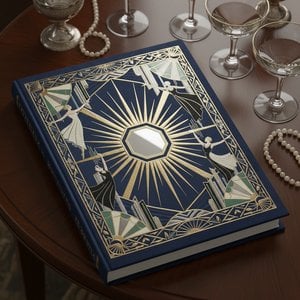
Discover the allure of Art Deco through a curated guide to its most iconic masterpieces. Explore the elegance of Erté and the innovation of Jean Dunand, perfect for collectors seeking timeless glamour and sophisticated design inspiration.
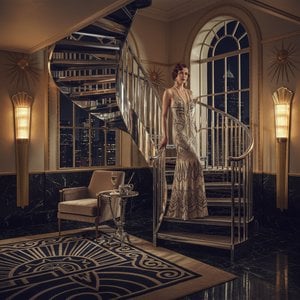
Discover the allure of Art Deco style with our expert guide to luxury interiors. Explore iconic influences from Erté to Jean Dunand and learn to curate a sophisticated space filled with timeless glamour and geometric elegance.

Discover the unparalleled elegance of Art Deco through the lens of Erté. Explore a masterclass in linear precision, theatrical costume design, and high-fashion illustration that continues to define modern luxury and sophisticated interior aesthetics.
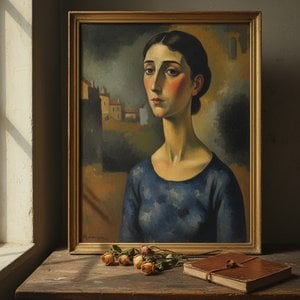
Delve into the haunting beauty of Amedeo Modigliani's portraits. Explore the intersection of Expressionism and Modernism through an expert analysis of his iconic elongated forms, melancholic gazes, and profound influence on art history.


Stay updated with the latest art news, exclusive offers, and decoration ideas.
Tell us about your project and our art experts will provide you with 3 personalized art suggestions.
Let Us Curate 3 Options Just for You - Free!

 Preview
 Send
Send Share
Share
 Details

 Download
 Similars
 X-Ray
X-Ray Diaporama
 Read More







 Glass option is only available in size under 110 CM


