


Erwerben Sie ein hochauflösendes, optimiertes digitales Bild, das der Online-Vorschau weit überlegen ist.
Jede Datei wird von unseren hauseigenen Spezialisten mit modernsten Werkzeugen und fachmännischer manueller Retusche sorgfältig vorbereitet. Wir stellen sicher, dass jedes Bild eine außergewöhnliche Klarheit, präzise Farbgenauigkeit und feinste Details aufweist.
Die endgültige Datei wird innerhalb von 72 Stunden per E-Mail zugestellt und ist für den sofortigen Einsatz in professionellen, redaktionellen und Druckumgebungen optimiert. Es handelt sich um dieselbe Qualität, der führende Designstudios, Verlage und Galerien vertrauen.
Laden Sie eine hochauflösende Datei für die persönliche Präsentation, den Druck und kreative Projekte herunter. ( Druck bestellen Handgemalte Reproduktion bestellen)
Wenn Sie sich für WahooArt.com entscheiden, erhalten Sie nicht nur ein Bild – Sie erhalten ein professionell aufbereitetes digitales Kunstwerk, das mit höchster Präzision erstellt und durch eine Zufriedenheitsgarantie abgesichert wird. Hier ist alles, was automatisch mit Ihrer Bestellung geliefert wird:

Ihre hochauflösende digitale Bilddatei wird Ihnen innerhalb von 72 Stunden nach der Bestellung per E-Mail zugestellt – bereit zur sofortigen Verwendung.

Ihre Kunstwerke werden professionell mithilfe fortschrittlicher KI-Tools und manueller Bearbeitung optimiert, um maximale Detailtreue, Klarheit und Farbgenauigkeit zu gewährleisten.

Datei versehentlich gelöscht oder verloren? Keine Sorge – wir senden sie Ihnen jederzeit kostenlos erneut zu.

Genießen Sie Ihr Kunstwerk sofort ohne Zollgebühren, Einfuhrabgaben oder Versandkosten – digitale Downloads sind immer steuerfrei.

Wir garantieren, dass Ihr digitales Bild mithilfe professioneller Werkzeuge und Farbmanagement die Originalfarben so präzise wie möglich wiedergibt.

Sollten Sie mit Ihrem digitalen Bild nicht zufrieden sein, werden wir es überarbeiten oder Ihnen innerhalb von 100 Tagen 100% erstatten – ohne Wenn und Aber.

Nicht zufrieden? Erhalten Sie innerhalb von 100 Tagen nach Erhalt Ihrer digitalen Datei eine vollständige Rückerstattung – ohne Angabe von Gründen.

3 Bilder kaufen, 10% sparen – 5 Bilder kaufen, 15% sparen – Ab 10 Bildern 20% sparen. Ideal für kreative Projekte, Galerien und Agenturen.
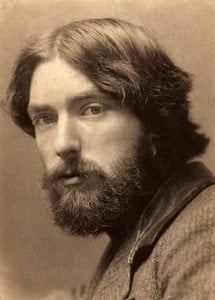
“ Villiers David,” painted in 1932 by Augustus Edwin John, isn’t a grand historical portrait or a flamboyant depiction of celebrity. Instead, it offers a remarkably intimate glimpse into the face and demeanor of an unknown gentleman. The subject, dressed in the restrained elegance of a well-tailored suit – a dark grey wool that speaks to both wealth and understated taste – is seated with his hands resting thoughtfully on his chin. His gaze, direct yet not confrontational, holds a quiet confidence, a subtle suggestion of intelligence and perhaps even melancholy. John’s masterful observation captures the nuances of human expression, revealing more than just physical features; he conveys a sense of personality, a hint of inner life.
Augustus Edwin John was, by nature, an artist who defied easy categorization. Born in Wales, he cultivated a distinctly bohemian lifestyle, flitting between London and the French Riviera, always seeking inspiration and challenging conventional artistic norms. His style is characterized by a remarkable sensitivity to light and color, combined with a loose, expressive brushstroke that imbues his paintings with a palpable sense of movement and emotion. “ Villiers David” exemplifies this approach perfectly – it’s not a meticulously rendered likeness but rather an impression, a feeling captured on canvas.
John's work is often described as ‘impressionistic,’ though he deliberately avoided strict adherence to the style, preferring instead to develop his own unique visual language.The painting’s strength lies in John’s skillful manipulation of light and shadow. He employs a broken brushstroke technique, layering colors rather than blending them smoothly, creating a shimmering effect that seems to emanate from within the canvas. The background is deliberately muted – a simple chair provides minimal distraction – allowing the viewer's attention to remain firmly focused on the subject’s face. The use of warm tones in his clothing contrasts with the cooler shades of the background, further emphasizing his presence and drawing us into his gaze. John’s meticulous attention to detail, particularly in rendering the textures of the fabric and the subtle nuances of light reflecting off the man's glasses, is truly remarkable.
Painted in 1932, “ Villiers David” reflects a period of significant social and cultural change. Britain was emerging from the austerity of the Great Depression, and there was a growing sense of uncertainty about the future. John’s portrait can be interpreted as a meditation on these anxieties – the man's quiet confidence suggests resilience in the face of adversity, while his contemplative gaze hints at the complexities of human experience. The inclusion of the glasses is particularly noteworthy; they symbolize intellect and observation, suggesting that this individual possesses both wisdom and a critical eye. The portrait also speaks to John’s lifelong fascination with the Romani people, whom he often depicted in his work, capturing their vibrant spirit and unique perspective.
Ultimately, “ Villiers David” is a profoundly moving painting. It's not merely a portrait; it’s an invitation to connect with another human being, to share in his thoughts and feelings. The man’s gaze holds a quiet dignity and a hint of melancholy, prompting us to consider our own place in the world. It’s a reminder that even in the midst of uncertainty, there is beauty and meaning to be found in simple moments of reflection. Reproductions of this piece offer a chance to bring this intimate portrait into your home, inviting contemplation and adding a touch of understated elegance to any space.

1878 - 1961 , Vereinigtes Königreich

 Vorschau anzeigen
 Versenden
 Teilen
 Details anzeigen

 Herunterladen
 Ähnliche Objekte
 Röntgenaufnahme
 Diashow


 Weiterlesen


