A Life Bridging Nations: The Itinerant World of Robert Griffier
Robert Griffier (c. 1675 – after 1727) occupies a fascinating, somewhat elusive position in the annals of 18th-century
landscape painting. Born in England, his artistic journey unfolded primarily within the vibrant art scene of Amsterdam, yet his roots and later travels suggest a life perpetually in motion, bridging national styles and influences. Griffier wasn’t merely a painter; he was a product of displacement, familial ambition, and a keen eye for capturing the romantic allure of Italianate landscapes—a genre particularly beloved by Dutch collectors despite its origins far to the south. The details surrounding his early life are often interwoven with those of his father, Jan Griffier, adding layers of complexity to disentangling his individual artistic development. While Houbraken’s account places his birth in 1688, scholarship now leans towards c. 1675, a date more consistent with documented evidence and the timeline of his career. This early uncertainty mirrors the somewhat fragmented nature of our understanding of Griffier himself.
From Family Workshop to Amsterdam’s Canals
The story begins with Jan Griffier, Robert's father, an artist who instilled in his son a foundational knowledge of painting. The family’s relocation to the Netherlands proved tumultuous; a shipwreck in 1695 separated Robert from them initially, leaving him in Ireland while they continued their journey. This period likely shaped his early artistic sensibilities, though concrete details remain scarce. By the turn of the century, however, Robert had joined his family in Amsterdam, establishing himself as an independent painter. Following his father’s return to England, Robert chose to remain in the Dutch Republic, a decision that would profoundly influence his style and subject matter. He quickly immersed himself in the prevailing artistic trends, particularly the Italianate landscape tradition championed by artists like
Herman Saftleven. Griffier's early works demonstrate a clear emulation of
Saftleven’s dramatic compositions and warm color palettes, depicting idealized scenes of
Roman ruins, bustling harbors, and sun-drenched countryside. He wasn’t simply copying; he was adapting these influences to his own vision, infusing them with a distinctly English sensibility—a subtle
realism in the rendering of foliage and a certain atmospheric quality that sets his work apart.
Collaboration and Artistic Identity
Griffier's career is marked by intriguing collaborations, most notably with Carel Breydel. The co-signing of paintings by both artists raises questions about the nature of their partnership—were these joint commissions, instances of Breydel finishing Griffier’s works, or perhaps a more fluid exchange of ideas and techniques? Regardless of the precise arrangement, these collaborative pieces demonstrate Griffier's willingness to engage with other artists and adapt his style to meet market demands. The presence of Breydel’s signature often enhanced the commercial appeal of the paintings, as Breydel was a well-established figure in Amsterdam’s art world. Beyond this partnership, Griffier also occasionally painted figures within existing compositions attributed to Ruisdael, suggesting a versatility and adaptability that allowed him to navigate various artistic challenges. His becoming an Amsterdam citizen in 1716 solidified his position within the city's artistic community, indicating a level of professional success and integration.
Echoes of Wouwerman and Van de Velde: A Broad Artistic Palette
Jan van Gool’s account of Griffier, encountered during their meeting in London in 1727, provides valuable insight into his artistic range.
Van Gool describes him as a follower of
Philips Wouwerman and Van de Velde, capable of painting “Rhine landscapes” alongside Italianate scenes. This suggests that Griffier wasn’t confined to a single genre; he possessed the technical skill to depict diverse topographies and atmospheres. The reference to Rhine landscapes is particularly interesting, hinting at travels beyond Amsterdam and an ability to capture the nuances of Northern European scenery. While his primary market remained focused on Italianate views, this broader artistic palette demonstrates a willingness to experiment and cater to varied client preferences. It also speaks to a deep understanding of
landscape painting traditions—from the idyllic scenes of
Wouwerman to the maritime expertise of Van de Velde.
A Legacy in Transition: Griffier’s Place in Art History
Robert Griffier's historical significance lies not in groundbreaking innovation, but rather in his skillful synthesis of diverse influences and his ability to adapt to changing artistic tastes. He represents a transitional figure—a painter who bridged the gap between English and Dutch traditions, embracing the Italianate landscape while retaining a distinctly personal style. His co-signed works with Breydel offer a fascinating case study in collaborative practice within 18th-century art markets. While his life remains somewhat shrouded in mystery, Griffier’s paintings continue to captivate viewers with their romantic allure and technical finesse. He stands as a testament to the itinerant nature of artistic inspiration—a painter whose journey across nations shaped his vision and left behind a legacy of beautifully rendered landscapes that echo the spirit of an evolving Europe.
His works are increasingly sought after by collectors seeking examples of Dutch landscape painting with a unique international flavor.



 Bavarian State Painting Collections
 National Trust
 Government Art Collection
 Indianapolis Kunstmuseum
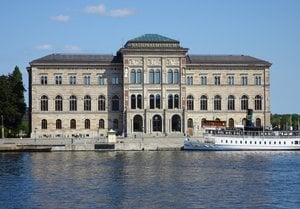 Nationalmuseum
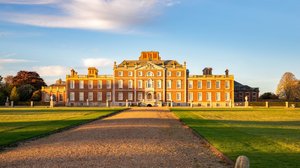 National Trust

