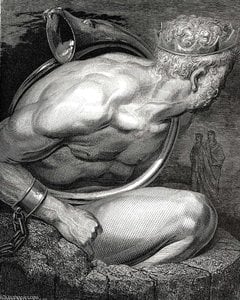
Paul Gustave Doré: En Mester i Skygge og Lys
Paul Gustave Louis Christophe Doré, kendt verden over som Gustave Doré, var en kunstnerisk virtuos der med mesterfulde illustrationer, malerier og skulpturer stræbte efter at fange både det dramatiske og det sublime. Han blev født i Strasbourg, Frankrig, den 6. januar 1832, under en tid præget af store sociale og kunstneriske forandringer – en æra hvor romantikken stadig havde sin indflydelse, men samtidig var ved at blive overskygget af nye strømninger indenfor realisme og symbolik. Selv i ung alder viste Doré et talent der gik ud over det sædvanlige; ikke blot i tegning – som han begyndte i en meget tidlig alder – men også i en personlighed der antydede den dramatiske flair, der skulle definere hans kunst. Historier fortæller om legesygheder der demonstrerede en modenhed langt ud over hans år, hvilket var et forvarsel til de komplekse og ofte melankolske temaer, der ville gennemsyre hans værker. Han begyndte sin professionelle karriere utroligt tidligt, blot 15 år gammel, som karikaturtegner for den franske satiriske avis *Le Journal pour rire*, hvor han finpudsede sine observationsevner og kompositionsfærdigheder i det pulserende liv i det parisienne satiremiljø.
Fra Karikatur til Litterære Titaner: Stigingen af en Illustratør
Dorés tidlige bestillinger lagde grunden til hans fremtidige berømmelse. Værker som *Les Travaux d'Hercule* (1847), *Trois artistes incompris et mécontents* (1851) og *Les Dés-agréments d'un voyage d'agrément* (1851) viste en spirende talent for dynamisk komposition og en mesterlig brug af lys og skygge, selv i disse relativt beskedne begyndelser. Han var dybt påvirket af illustrationerne fra J.J. Grandville, hvis fantastiske billeder og satiriske kant resonerede med Dorés egen udviklende stil. Dog var det gennem sine samarbejder med litterære giganter, at Doré virkelig nåede til storhed – i 1853 modtog han en bestilling om at illustrere Lord Byrons værker, hvilket åbnede døre for yderligere prestigefyldte projekter. Den monumentale opgave med at illustrere Bibelen fulgte, et projekt der cementerede hans ry og bragte hans kunst foran et enormt internationalt publikum. Hans illustrationer til Cervantes’ *Don Quixote* i 1860'erne var særligt indflydelsesrige, og formåede at genfortolke karaktererne og fortællingen med en dramatisk intensitet der fangede læsernes fantasi. Han illustrerede ikke blot disse historier; han omskabte dem, ved at forstærke dem med en dramatisk flair, der afspejlede den følelsesmæssige dybde i hans kunst. Hans samarbejde med Blanchard Jerrold på *London: A Pilgrimage* (1872) var et særligt rørende værk, der skildrede de barske realiteter i det victorianske Londons fattigdom og udløste debat om sociale forhold.
En Mester i Teknikken: Wood Engraving og Romantisk Vision
Dorés kunstneriske dygtighed lå ikke kun i hans fantasifulde vision, men også i hans tekniske mesterskab, især i træsnit. Han besad en ekstraordinær evne til at skabe utroligt detaljerede og dramatiske billeder gennem denne teknik, hvilket muliggjorde masseproduktion og udbredelse af hans kunst. Hans kompositioner er karakteriseret ved deres dynamik, stærke kontraster mellem lys og skygge – en teknik kendt som *chiaroscuro* – og en følelse af storhed der ofte vækker en følelse af ærefrygt eller endda rædsel. Han benyttede sig ofte af et stort team af blokskærer for at oversætte sine designs til træsnit, hvilket muliggjorde den nødvendige effektivitet til at imødekomme udgivernes og læseres krav. Hans stil er solidt rodfæstet i romantikken, der fremhæver følelser, fantasi og det sublime – en fascination af naturens overvældende magt og menneskelige tilstand. Han illustrerede ikke blot scener; han fortolkede dem gennem et filter af forøgede følelser og dramatisk flair. Denne tilgang, selvom den blev fejret af mange, fik også kritik fra nogle samtidige, der fandt hans kunst overdrevent teatralsk eller manglende subtilitet.
Arv og Vedvarende Indflydelse
Gustave Doré modtog æren at blive gjort en Chevalier de la Légion d'honneur af det franske regering i 1861, et bevis på hans voksende anerkendelse inden for kunstneriske kredse. Men hans sande arv strækker sig langt ud over priser og titler. Hans illustrationer havde en dybtgående indflydelse på visuel kultur, og har inspireret kunstnere og læsere i generationer. Vincent van Gogh var blot én af dem, der blev dybt inspireret af Dorés arbejde, især hans skildringer af lidelse og vanskeligheder, genkendte i dem en fælles følsomhed over for menneskehedens lidelser. Trods kritikken under hans levetid er hans kunst nu fejret for sit kunstneriske værd og historiske betydning. Hans illustrationer fortsætter med at forme vores forståelse af klassisk litteratur og det victorianske samfund, og tilbyder en kraftfuld visuel fortolkning af tidløse historier og vedvarende temaer. *Hans kunst er et vidnesbyrd om illustrationernes magt til ikke blot at forestille sig, men også at fortolke og transformere verden omkring os.*
Bemærkelsesværdige Værker
- Flower Sellers of London (1875): En rørende skildring af det victorianske fattigdom og modstandskraft, der viser familiære bånd i mødet med vanskeligheder.
- The Christian Martyrs: Et dramatisk mesterværk, der skildrer troen og forfølgelsen med stor følelse.
- Illustrationer til Dante’s Inferno: Måske hans mest ikoniske værk, disse træsnit bragte Dantes helvede til live med en hidtil uset intensitet.
- Illustrationer til Milton’s Paradise Lost: Dorés fortolkning af denne episke digt er kendt for sin storhed og dramatiske flair.
- The Wandering Jew (1856): Et populært værk, men det indeholder antisemitiske undertoner, der afspejler tiden.



 Se i rummet
 Skift til printversion
 Send
Send Del
Del
 Detaljer
 Guide
Guide

 Download
 Lignende værker
 Røntgenundersøgelse
 Se diasshow
 Statistik
 Læs mere






































 Glasmulighed er kun tilgængelig i størrelser under 110 cm