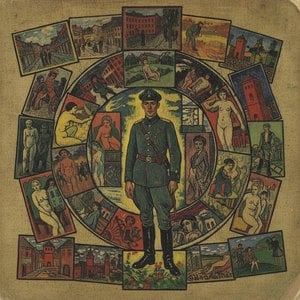
Ernst Ludwig Kirchner: En Ekspressionistisk Stemme fra en Turbulent Tid
Ernst Ludwig Kirchner, et navn der er synonymt med den rå følelsesmæssige kraft i tysk ekspressionisme, blev født ind i en verden på randen af dramatiske forandringer. Hans ankomst til Aschaffenburg, Bayern, i 1880, markerede begyndelsen på et liv dybt forbundet med kunstnerisk innovation og personlig turbulens. De skiftende landskaber i hans barndom – dikteret af sin fars erhverv – indgydede ham en følelse af forfremmelse, der senere ville gennemskære hans kunst. Fra Frankfurt til Perlen og endelig etablering i Chemnitz, absorberede den unge Kirchner de voksende bekymringer i et hurtigt moderniserende Tyskland. Selvom han oprindeligt blev ført på vej mod arkitektur ved Königliche Technische Hochschule i Dresden, var det trækket mod maleri, drevet af beundring for mestre som Albrecht Dürer og en stigende utilfredshed med akademisk konvention, der definerede hans vej. Han fandt fællesskab med ligesindede rebeller – Fritz Bleyl, Karl Schmidt-Rottluff og Erich Heckel – og skabte bånd, der uomgængeligt ville ændre kunstens gang i det 20. århundrede.
Die Brücke: En Gruppes Fødested og Filosofi
I 1905 blev Kirchner medstifter af *Die Brücke* (“Broen”), en kunstnerisk kollektiv dedikeret til at brobygge mellem traditionel æstetik og en mere visceral, følelsesladet form for udtryk. Dette var ikke blot et stilistisk valg; det var en filosofisk holdning. Gruppen søgte inspiration fra kilder ofte overset af den etablerede kunstverden – primitiv kunst fra Afrika og Oceanien, Vincent van Goghs dristige farver og Edvard Munchs hjemsøgende psykologiske dybde. De afviste de idealiserede repræsentationer af skønhed, der foretrakkes af akademisk maleri, og omfavnede i stedet forvrængning, skræmmende farvepaletter og udtryksfuld penselstrøg for at formidle bekymringerne og alienationen i moderne liv. Kirchners tidlige værker, født fra denne samarbejdsvilje, pulserede med en rastløs energi, der afspejlede gruppens fælles ønske om at bryde fri fra kunstneriske begrænsninger. Studiet blev et laboratorium for eksperimentering, et rum hvor sociale normer udfordredes sammen med kunstneriske konventioner. Udforskningen af den menneskelige form, især det feminine nule, i både urbane og naturlige omgivelser, blev et tilbagevendende motiv, der tillod Kirchner at undersøge bevægelse, følelse og kompleksiteten i moderne eksistens.
Byens Angst og Dristige Visioner: En Stildefinering
Kirchners kunstneriske stil er straks genkendelig for sine distinkte karakteristika. Han brugte farver ikke som et middel til trofast repræsentation, men som et værktøj til at vække følelser – livlige, ofte ikke-naturlige nuancer, der forstærkede følelsen af uro eller intensitet i hans kompositioner. Hans penselstrøg var energiske og synlige, hvilket bidrog til den overordnede følelse af øjeblikkelighed og rå følelser. Figurer og objekter blev ofte fordrejet eller forlænget, hvilket afspejlede en subjektiv snarere end objektiv virkelighed. Særligt markant er hans evne til at fange den psykologiske indvirkning af moderne byliv i det tidlige 20. århundrede i Tyskland. Malværker som *The Street* (1908) er ikke blot billeder af byscener; de er portrætter af alienation, der fanger den hektiske energi og følelsesmæssige distancerethed i en hurtigt foranderlig verden. Han tøvede ikke for at male de mørkere aspekter af moderniteten – ensomheden, anonymiteten, følelsen af at blive overvældet af selve byens omfang. Denne ufortalte blik etablerede ham som en fortolker af sin tid, en kunstner, der dristigt konfronterede bekymringerne, der ulmede under overfladen af den sociale fremskridt.
Tragedie og Arv: En Vedvarende Indflydelse
Kirchner’s liv var tragisk præget af personlige kampe. Første verdenskrig udløste en alvorlig psykisk nedbrud, der tvang ham til at søge tilflugt i Schweiz for at finde trøst. Alligevel fortsatte han med at skabe, hans kunst afspejlede de vedvarende traumer og isolation, han oplevede. Naziregimets fremkomst bragte yderligere vanskeligheder; over 600 af hans værker blev konfiskeret og stemplede som "degenerate" kunst – en ødelæggende handling, der understregede den politiske verdens fjendtlighed over for moderne kunstnerisk udtryk. Stillet over for forfølgelse og faldende helbred tog Kirchner tragisk sit eget liv i Davos, Schweiz, i 1938. På trods af dette hjerteskærende afslutning er Ernst Ludwig Kirchners arv dybtgående og indflydelsesrig. Han står som en central figur i tysk ekspressionisme, der inspirerer generationer af kunstnere med sin dristige stil, følelsesmæssigt resonante billeder af moderne liv og hans urokkelige engagement i kunstens sandhed. Hans værker udstilles fortsat i store museer over hele verden og tjener som en kraftfuld påmindelse om kunstens vedvarende magt til at konfrontere, udfordre og ultimativt belyse den menneskelige betingelse.
- Påvirket af: Albrecht Dürer, Vincent van Gogh, Edvard Munch, Primitiv Kunst (Afrikansk & Oceanisk)
- Påvirkede: Kirchners arbejde havde en dybtgående indflydelse på efterfølgende generationer af ekspressionister og moderne kunstnere. Hans udforskning af psykologiske temaer og hans innovative brug af farve og form inspirerer fortsat nutidige kunstpraksisser.



 Se i fuld skala
 Køb håndlavet maleri
 Del
Del Del
Del
 Detaljer

 Download
 Lignende værker
 Røntgenundersøgelse
 Diasshow
 Statistik

 Se mere






































 Glasmulighed er kun tilgængelig i størrelser under 110 cm