
由我们的艺术家按需定制,为您提供您所选尺寸及画框的布面手工油画。 ( 切换至版画销售渠道 切换至数字图像销售渠道)





























您可以从与原作比例一致的预设尺寸中进行选择。

您可以输入自定义尺寸,以适配特定的画框或空间。如果所选尺寸与原图比例不符,我们将通过裁剪作品或添加手绘元素来扩展画面。数字样稿将在制作开始前发送给您确认。
请注意,屏幕预览无法准确反映实际的裁剪或扩展效果,只有样稿才能真实呈现最终的构图。
虽然我们提供定制尺寸服务,但为了保留原作比例,建议您从预设列表中选择尺寸。
Galaxy
复刻品尺寸说明
Vija Celmins' "Galaxy," created in 1975, isn’t merely a depiction of the cosmos; it’s an invitation to contemplate our place within its vastness. This remarkable monochrome lithograph, part of a series exploring celestial phenomena, transcends simple representation and delves into the very essence of observation and memory. Celmins, born in Riga, Latvia, and deeply influenced by Giorgio Morandi's quiet still lifes, possessed a singular ability to distill complex subjects – here, the infinite expanse of space – into meticulously rendered, almost meditative forms. The work speaks volumes about her unique approach: an unwavering commitment to detail combined with a profound understanding of how light and shadow can evoke emotion.
The image itself presents a breathtakingly simplified galaxy. A dense field of tiny, uniformly sized graphite dots dominates the composition, representing countless stars scattered across an inky blackness. These aren’t vibrant bursts of color or swirling nebulae; instead, they are subtle gradations of grey, creating a sense of depth and texture that mimics the grainy surface of photographic paper – a deliberate nod to the medium's inherent qualities. A slightly elongated, hazy shape at the center suggests a galactic core, while faint, diffused lines hint at spiral arms, though these forms remain remarkably understated. The absence of sharp edges or dramatic contrasts contributes to an atmosphere of quiet contemplation, inviting the viewer to lose themselves in the subtle beauty of the scene.
Celmins’ technique is central to the work's power. She began by creating detailed pencil drawings from astronomical photographs, painstakingly capturing every nuance of light and shadow. These drawings served as the foundation for the lithograph, a process that demanded immense patience and precision. Lithography itself relies on transferring an image through a stone or resin plate using ink, resulting in incredibly smooth tonal variations – a perfect match for Celmins’ meticulous approach. The result is a surface that feels both tactile and ethereal, simultaneously grounded in observation and imbued with the artist's personal memory of the source material.
It’s important to note that Celmins largely abandoned painting in the 1970s, shifting her focus entirely to graphite drawings. This decision wasn’t a rejection of color but rather an exploration of a different set of possibilities – a way to capture the essence of subjects through their tonal relationships and subtle textures. The monochrome palette forces us to engage with the image on a purely visual level, stripping away distractions and allowing us to focus on the fundamental elements of form, light, and shadow.
“Galaxy” isn’t simply a representation of space; it's an exploration of scale and perspective. The sheer density of stars suggests the immensity of the universe, while their diminutive size reminds us of our own insignificance within that grand scheme. Celmins’ choice to render these celestial bodies as tiny dots creates a powerful metaphor for human perception – we can only ever grasp fragments of the whole, relying on memory and interpretation to construct a coherent understanding.
Furthermore, the work evokes a sense of timelessness. The stark monochrome palette and the meticulous detail suggest an almost archaeological quality, as if Celmins is excavating a record of the universe from the depths of her own memory. It’s a meditation on the enduring power of observation and the human desire to understand our place in the cosmos – a sentiment that resonates deeply with viewers across generations.
Vija Celmins is now recognized as one of the most significant contemporary artists working today. Her meticulous graphite drawings, often depicting seemingly mundane subjects like ocean waves, salt flats, and night skies, are celebrated for their extraordinary detail, quiet beauty, and profound emotional resonance. “Galaxy” stands as a testament to her unique vision – a silent universe rendered in graphite, inviting us to contemplate the mysteries of space and the enduring power of human observation. Reproductions of this piece offer a remarkable opportunity to bring this evocative artwork into any setting, fostering a sense of wonder and connection to the vastness beyond.
Vija Celmins 的《Galaxy》 营造出 Ethereal 的氛围,与推荐的陈设空间——Living Room 完美契合。
"Galaxy" 的复制品非常适合陈设于 Living Room 中。
针对 Vija Celmins 的《Galaxy》,我们为您提供以下两项建议:用途为 (Statement),适宜空间为 (Living Room)。
在Minimalist Abstraction运动中,"Galaxy"以Mysterious的基调被记录下来。
您可以在 本页 直接订购 Vija Celmins 的《Galaxy》 的手绘复制品:亚麻画布手工绘制油画复制品,按需定制。
Vija Celmins 在作品《Galaxy》中运用了 Acrylic On Paper 技法。该技法界定了原作的材质特性。
Vija Celmins 的《Galaxy》 将 galaxy, stars, space, celestial, monochrome, graphite, minimalism, vijacelmins 与 Ethereal 的氛围完美融合。
Vija Celmins 的《Galaxy》 的记录热度为 Iconic。


1938 - , Latvia

探索抽象艺术在小空间布局中的巧妙应用!本文深入解析色彩、构图策略,并通过案例分析,教您如何利用抽象艺术创造视觉延伸感,提升空间氛围与居住品质。专业指导,打造个性化家居美学。
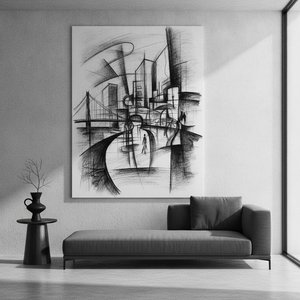
Level up your space with the raw, gritty edge of high-impact charcoal art. From dramatic chiaroscuro sketches to custom photo-to-charcoal transformations, discover bold monochrome pieces that make a visual power move. Elevate your aesthetic with premium, trend-driven art.

Master the monochrome aesthetic with high-impact Black & White art from WahooArt.com. From custom hand-painted oils to iconic pop culture remixes, discover the ultimate design flex for your urban space. Elevate your decor with bold, premium, and timeless monochrome masterpieces.

Explore 10 legendary lithographs by Toulouse-Lautrec, Munch & Picasso that redefined art! Discover the stories behind these iconic prints and find museum-quality reproductions for your home decor at WahooArt.com. Explore the full collection online.

Elevate your interiors with the profound elegance of monochrome art. Explore WahooArt.com’s curated collection of hand-painted oil reproductions and bespoke commissions, designed to bring sophisticated simplicity and timeless texture to every professional design project.


 实景预览
实景预览
 发送
发送 分享
分享
 详情
详情 指南
指南

 下载图片
下载图片
 相似作品
相似作品 X射线
X射线 幻灯片播放
幻灯片播放 统计数据
统计数据


 阅读全文
阅读全文









 玻璃选项仅适用于110厘米以下的尺寸。


