购买高分辨率增强版数字图像,其品质远超在线预览。
每一份文件都由我们的内部专家使用先进工具与专业的后期润色技术精心打造。我们确保每一张图像都具备卓越的清晰度、精准的色彩还原度以及细腻的细节表现。
最终文件将在 72 小时内通过电子邮件交付,并针对专业、编辑及印刷用途进行了优化。其品质与顶级设计工作室、出版社和画廊所信赖的标准完全一致。
选择 WahooArt.com,您获得的不仅仅是一张图像——您收到的是经过专业级增强、精雕细琢的数字艺术作品,并享有满意保证。以下是您的订单中自动包含的所有内容:

您的高分辨率数字图像文件将在下单后 72 小时内通过电子邮件发送给您 —— 即可立即使用。

您的艺术品经过专业优化,结合先进的 AI 技术与人工修饰,确保呈现极致的细节、清晰度与色彩准确度。

不小心删除了文件或找不到了?没关系——我们将随时为您免费重发。

即刻拥有您的艺术作品,无需支付任何关税、税费或运费——数字下载始终免税。

我们通过专业工具与色彩管理技术,确保您的数字图像尽可能真实地还原原作色彩。

如果您对所购数字图像不满意,我们将在100天内为您进行修改或提供100%的全额退款——无需任何理由。

不满意?在收到数字文件后的100天内,您可以申请全额退款——无需任何理由。

购买 3 张图片可享 10% 折扣 - 购买 5 张可享 15% 折扣 - 购买 10+ 张可享 20% 折扣。非常适合创意项目、画廊和机构使用。
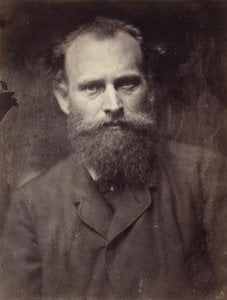
John Thomson’s “Cast Iron Billy,” created in 1877-78, isn't merely a photograph; it’s a meticulously crafted window into the heart of late Victorian London. This albumen print, now housed within The Art Institute of Chicago’s collection, captures a fleeting moment of everyday life – a horse-drawn carriage and its driver, rendered with remarkable detail and a quiet dignity. Thomson, a physicist renowned for his discovery of the electron, was also an astute observer of society, using photography as a tool to document the realities of urban existence during a period of rapid industrialization and social change. The image possesses a grainy texture characteristic of the woodburytype process, lending it a tangible sense of history and inviting us to contemplate the passage of time.
Thomson’s choice of the woodburytype process is crucial to understanding the photograph's aesthetic. Unlike later photographic techniques, this method involved creating a negative on glass, which was then used to print directly onto paper – a process that resulted in a slightly softer, more textured image than those produced with collodion wet plate photography. The resulting sepia tones are rich and evocative, subtly shifting between browns and grays, mirroring the muted palette of Victorian London. The composition itself is carefully considered; the central placement of the carriage and figures draws the eye immediately, while the receding cobblestone street creates a sense of depth and perspective. Notice the subtle play of light and shadow, highlighting the textures of the horse’s harness, the driver's clothing, and the weathered surface of the carriage – details that speak to Thomson’s keen observational skills.
“Cast Iron Billy” offers a poignant glimpse into the social fabric of Victorian England. The title itself, “Cast Iron Billy,” refers to the type of carriage prevalent at the time – sturdy, reliable vehicles that were essential for transporting goods and people across the city. The driver, dressed in the formal attire of his profession, embodies the industrious spirit of the era. He stands as a symbol of hard work and responsibility, navigating the bustling streets of London. The photograph’s quiet stillness contrasts sharply with the frenetic energy of Victorian urban life, prompting us to consider the rhythms and routines that shaped daily existence for countless individuals. The image also subtly reflects the growing anxieties surrounding industrialization – the reliance on machines like this carriage represented both progress and potential displacement.
More than just a historical document, “Cast Iron Billy” evokes a powerful sense of nostalgia and contemplation. The photograph’s muted tones and slightly faded appearance contribute to its melancholic beauty, suggesting a lost world – a time when life moved at a slower pace and human connection was more immediate. There's an inherent dignity in the scene, a quiet grace that transcends the specific details of the subject matter. It invites us to reflect on our own relationship with history, memory, and the enduring qualities of the human spirit. Reproductions of this remarkable image offer a tangible link to the past, allowing us to experience a moment in Victorian London through the discerning eye of John Thomson.


1856 - 1940 , United Kingdom


 效果预览
效果预览
 切换至版画销售渠道
 分享
分享 分享
分享
 详情
详情

 下载
下载
 相似作品
相似作品 X射线
X射线 幻灯片播放
幻灯片播放 统计数据
统计数据


 展开详情
展开详情