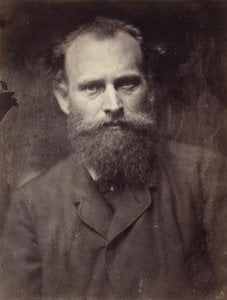
由我们的艺术家按需定制,为您提供您所选尺寸及画框的布面手工油画。 ( Switch to Print Switch to Digital Image)





























从与原作比例一致的预设尺寸中进行选择。

您可以输入自定义尺寸,以适配特定的画框或空间。如果所选尺寸与原图比例不符,我们将通过裁剪作品或添加手绘元素来扩展画面。数字样稿将在制作开始前发送给您确认。
请注意,屏幕预览无法准确反映实际的裁剪或扩展效果,只有样稿才能真实呈现最终的构图。
虽然我们提供定制尺寸服务,但为了保留原作比例,建议您从预设列表中选择尺寸。

Cast Iron Billy
复制品尺寸
John Thomson’s “Cast Iron Billy,” created in 1877-78, isn't merely a photograph; it’s a meticulously crafted window into the heart of late Victorian London. This albumen print, now housed within The Art Institute of Chicago’s collection, captures a fleeting moment of everyday life – a horse-drawn carriage and its driver, rendered with remarkable detail and a quiet dignity. Thomson, a physicist renowned for his discovery of the electron, was also an astute observer of society, using photography as a tool to document the realities of urban existence during a period of rapid industrialization and social change. The image possesses a grainy texture characteristic of the woodburytype process, lending it a tangible sense of history and inviting us to contemplate the passage of time.
Thomson’s choice of the woodburytype process is crucial to understanding the photograph's aesthetic. Unlike later photographic techniques, this method involved creating a negative on glass, which was then used to print directly onto paper – a process that resulted in a slightly softer, more textured image than those produced with collodion wet plate photography. The resulting sepia tones are rich and evocative, subtly shifting between browns and grays, mirroring the muted palette of Victorian London. The composition itself is carefully considered; the central placement of the carriage and figures draws the eye immediately, while the receding cobblestone street creates a sense of depth and perspective. Notice the subtle play of light and shadow, highlighting the textures of the horse’s harness, the driver's clothing, and the weathered surface of the carriage – details that speak to Thomson’s keen observational skills.
“Cast Iron Billy” offers a poignant glimpse into the social fabric of Victorian England. The title itself, “Cast Iron Billy,” refers to the type of carriage prevalent at the time – sturdy, reliable vehicles that were essential for transporting goods and people across the city. The driver, dressed in the formal attire of his profession, embodies the industrious spirit of the era. He stands as a symbol of hard work and responsibility, navigating the bustling streets of London. The photograph’s quiet stillness contrasts sharply with the frenetic energy of Victorian urban life, prompting us to consider the rhythms and routines that shaped daily existence for countless individuals. The image also subtly reflects the growing anxieties surrounding industrialization – the reliance on machines like this carriage represented both progress and potential displacement.
More than just a historical document, “Cast Iron Billy” evokes a powerful sense of nostalgia and contemplation. The photograph’s muted tones and slightly faded appearance contribute to its melancholic beauty, suggesting a lost world – a time when life moved at a slower pace and human connection was more immediate. There's an inherent dignity in the scene, a quiet grace that transcends the specific details of the subject matter. It invites us to reflect on our own relationship with history, memory, and the enduring qualities of the human spirit. Reproductions of this remarkable image offer a tangible link to the past, allowing us to experience a moment in Victorian London through the discerning eye of John Thomson.


1856 - 1940 , United Kingdom

Explore the profound evolution of contemporary photography through a connoisseur's lens. From monochrome mastery to digital innovation, discover how modern photographic works shape fine art collections and define our cultural legacy.

Explore the profound artistry of black and white photography. From historical mastery to the interplay of light and shadow, discover how monochrome captures timeless emotion and form through a sophisticated lens of art history.

Explore the profound evolution of documentary photography through a cultural lens. From early social realism to modern visual narratives, discover how photographers have captured history, labor, and the human condition to redefine fine art.


 效果预览
效果预览
 分享
分享 分享
分享
 详情
详情

 下载
下载
 相似作品
相似作品 X射线
X射线 幻灯片播放
幻灯片播放 Stats
Stats


 展开详情
展开详情









 玻璃选项仅适用于110厘米以下的尺寸。