

博物馆级艺术微喷或帆布版画,制作高效,并提供多种饰面选择。 ( 订购纯手工绘制画作 切换至数字图像销售渠道)





























您可以从与原作比例一致的预设尺寸中进行选择。

请输入您所需的宽度和高度,以适配您的画框或墙面。由于印刷品只能进行裁剪,无法超出原图尺寸,因此若比例不一致,画面的一部分将会被裁切。在正式印刷之前,我们会为您发送一份数字效果图供您确认。本页面显示的图片并非最终裁剪后的效果——只有效果图才能展示真实的裁剪情况。
Sforza Triptych
复刻品尺寸
To stand before the Sforza Triptych is to step through a portal into the profound spiritual landscape of the Northern Renaissance. Completed around 1460, this extraordinary altarpiece by the Flemish Master Rogier van der Weyden (or his highly skilled workshop) serves as much more than a religious relic; it is a masterclass in the intersection of human emotion and divine grace. The work was commissioned for Alessandro Sforza, a prominent member of the Milanese dynasty, and it carries within its three hinged panels a narrative of devotion that remains as palpable today as it was in the fifteenth century. As light dances across the meticulously rendered surfaces, the viewer is invited into a sacred space where the boundaries between the earthly and the celestial begin to blur.
The composition of the triptych is famously irregular, yet this very asymmetry lends the piece an organic, breathing quality that draws the eye in a rhythmic dance across the panels. In the central scene, the weight of the Crucifixion anchors the soul, with Christ’s sacrifice presented with a raw, poignant realism. Surrounding him, the figures are not merely static icons but vessels of grief and reverence. The technique employed—oil paint on wood panels—allows for an unprecedented luminosity. Through the delicate application of glazes, Van der Weyden achieved a depth of color that seems to glow from within, capturing the subtle sheen of fine fabrics, the cold hardness of armor, and the soft, translucent quality of human skin with breathtaking precision.
Every brushstroke in the Sforza Triptych serves a higher purpose, weaving a complex tapestry of symbolism that rewards the contemplative observer. The artist’s background as a goldsmith is evident in the microscopic attention to texture; one can almost feel the heavy weight of the velvet drapery and the intricate metallic glints of period attire. This dedication to detail was not merely for aesthetic pleasure but was deeply rooted in the devotio moderna movement, which encouraged believers to find the divine in the minute details of the physical world. The presence of saints such as St. Bavo, St. Francis, St. Catherine, and St. Barbara on the wings provides a celestial court that flanks the central mystery, creating a sense of a continuous, eternal liturgy.
For the modern collector or interior designer, this piece offers a profound sense of historical gravity and intellectual depth. The triptych does not simply decorate a space; it commands it. Its ability to evoke a mood of quiet contemplation makes it an ideal centerpiece for environments that value heritage, stillness, and sophistication. Whether viewed as a window into the pious heart of the 15th century or as a triumph of Early Netherlandish technical mastery, the Sforza Triptych remains an enduring symbol of how art can bridge the gap between the temporal and the eternal.
罗杰·范德·魏登 的《Sforza Triptych》 的创作媒介为 Oil On Panel,创作于 1460 年。
罗杰·范德·魏登 的《Sforza Triptych》 在艺术史上的分类属于 Early Netherlandish Renaissance 运动,创作于 Renaissance 时期。
您可以在作品的下载数字图像页面下载罗杰·范德·魏登 的《Sforza Triptych》,作为高分辨率数字图像下载。
罗杰·范德·魏登这个名字,诞生于15世纪不断变迁的语言版图之中。他大约出生于1399年或1400年的图尔奈(Tournai),那是一个如今属于比利时的主教区。在他的一生中,他穿行于一个身份不断演变的时代,在名字被翻译为荷兰语的“罗杰·范德·魏登”之前,他曾被称为罗杰·德拉·帕斯楚尔(Roger de la Pasture)或罗吉尔·德拉·帕斯楚尔(Rogelet de le Pasture)。这种称谓的变迁,深刻反映了他所生活的勃艮第尼德兰地区那错综复杂的社会与地域纹理。
他的生命历程,见证了一位手工艺人向早期尼德兰绘画核心人物的华丽蜕变。他游走于权力交织的勃艮第宫廷圈层,在图尔奈与布鲁塞尔这两大城市中心之间往来穿梭。1464年6月18日,他的生命走到了终点,但他留下的艺术遗产却重新定义了北方文艺复兴艺术中人类情感的表达深度——他引领艺术脱离了僵化的图像符号,转向一种更加直观、更具生命律动的真实感。
罗杰·范德·魏登那近乎严苛的精准感,其根源可以追溯到一位刀具匠人的作坊之中。他的父亲亨利·德拉·帕斯楚尔(Henri de le Pasture)是一位生活富足的匠人,约于1425至1426年间去世。在母亲阿格尼丝·德·瓦特雷洛斯(Agnes de Wattrélos,有时也被称为阿格尼丝·德·瓦特洛斯小姐)的陪伴下,他成长于一个以精湛手艺为底色的家庭。在画笔成为他主要的表达工具之前,罗杰很可能曾作为一名金匠磨炼自己的技术感知力。这种早期对贵金属处理的沉浸式体验,赋予了他对微观细节的严谨掌控力,以及一种对质感极其敏锐的觉察力,这些特质在日后彻底定义了他的油画创作风格。
13世纪20年代后期,他的职业轨迹发生了关键性的转折。1427年3月5日,罗杰进入了罗伯特·坎平(Robert Campin)的画室担任学徒。这段时期标志着他从金属加工台向画家画架的华丽转身。在这些塑造人格与技艺的岁月里,他的个人生活也逐渐扎根。他在1426年至1427年间迎娶了伊丽莎白·戈法特(Elisabeth Goffaert),两人随后育有四名子女:科内留斯、玛格丽塔、彼得和扬。
他的艺术生涯在图尔奈拉开了辉煌的序幕。早在1427年,他便已在圣卢克公会中晋升为大师,这一身份不仅赋予了他经营正式画室的法律地位,更奠定了他在社会阶层中的稳固根基。到了1432年8月1日,他正式获得了“大师画家”的官方头衔,这标志着他在当地公会体系中已成为一位举足轻重的人物。
随后,他的艺术重心开始向布鲁塞尔转移。1436年3月2日,他荣膺布鲁塞尔市委派的画家,这一显赫的头衔将其职业生涯深深植根于该地区的政治与行政核心地带。通过在图尔奈与布鲁塞尔两地同时维持活跃的画室,他成功地在两大城市中心之间调度着艺术创作的产出。大约在1443年间,他的事业在城市中进一步扩张,在靠近库登堡宫与市政厅的黄金街上,他购置了两栋相邻的房屋作为他的艺术阵地。
1435年,成功如约而至。罗杰·范德·魏登进入了勃艮第公爵“好人”菲利普的宫廷任职。这一任命奠定了他作为欧洲最具影响力宫廷艺术家之一的地位,其名声也随之跨越了低地国家的边界,远播四方。来自异国的贵族们纷纷寻求他的笔触,不远万里寄来委约创作的信函,只为能获得他那独树一帜的艺术风格。在世时,他便已是一位功成名就的大师,其艺术影响力甚至延伸到了意大利与西班牙。
他的画室不仅是精湛技艺的殿堂,更是艺术传承的中心。作为罗伯特·坎平的学生,他继承并发扬了那种对细节近乎严苛的精准追求。他不仅仅是在创作作品,更是在塑造下一代画家。诸如汉斯·梅姆林这样的艺术天才也曾进入他的艺术领域,学习那些将定义北方艺术新纪元的创作手法。他的画室运作展现出了极高的专业组织性,游刃有余地应对着来自城市领袖与私人赞助人的各种艺术需求。
他的画笔如同金匠的刻刀般精准。通过对真人模型的写生,罗杰·范德·魏登以一种细致入微、充满细节的现实主义手法捕捉着物质世界。他不仅仅是在复制一张面孔,更是在用色彩“雕刻”它。尽管他的观察极其敏锐,却又常常对某些面部特征进行理想化处理,将肖像中的人物升华为一种带有哥特式优雅气质的完美形象。这种在真实与理想之间的张力,构成了他处理人体形态的核心逻辑。
光影在他笔下成为了挖掘心理深度的工具。在肖像画中,他巧妙地利用深色的平面来隔离主体,迫使观者的视线聚焦于人物的面部与双手。这种技法剥离了所有冗余的干扰,使情感的传递更加纯粹。他通过对油彩的精妙运用来构建画面,通过层层叠加半透明的色釉,营造出一种流光溢彩的效果和深邃的立体感。他的色调极其丰富,运用了异常宽广的色彩范围和变化的色调,确保画布上的任何两个区域在色相上都绝不雷同。这种色彩的多样性创造出一种仿佛在呼吸、在律动的生命空间。
情感并非他创作后的点缀,而是早已植根于构图的骨架之中。通过微妙的肢体动作和具有雕塑感的厚重褶皱,他赋予了作品一种极具感染力的悲剧美感。在那些表现剧烈哀恸的场景中,悲伤通过头部的倾斜或手指的紧绷,变得如此真切,触手可及。他对媒介近乎完美的掌控,使得这种情感不再仅仅是宗教符号的象征,而是一种直击灵魂的、本能的生命体验。
罗杰·范德·魏登作品中的情感重量,往往凝聚于对基督受难时那份深沉哀恸的刻画之中。在收藏于比利时图尔奈美术馆的《哀悼》中,那种撕心裂肺的悲恸仿佛触手可及,令人动容。这种情感的张力在约创作于1435年的《下架》中得到了延续。与此同时,位于马德里普拉多博物馆的《十字架下方的哀悼》同样捕捉到了这种剧烈的戏剧冲突。这些作品绝非仅仅是对宗教事件的机械描绘,而是通过沉重褶皱的衣纹与极具表现力的肢体语言,将人类的苦难转化为一种直击灵魂的视觉语言。
他那近乎严苛的技艺精准度,同样延伸到了最为细腻且复杂的委任创作中。《受胎告知》展现出一种洗练高雅的风格,而《布拉德林三联画》则呈现出极其繁复且精细的构图。1445年,他完成了宏伟的《七件圣事祭坛画》,这部巨作通过视觉叙事阐释了深奥的神学真理。即便是在规模较小、更具冥想意味的场景中,细节依然锐利如初。同样出自1445年的《抹大拉的阅读》专注于精神沉思的静谧时刻,而收藏于休斯顿美术馆的《圣母与圣子》则捕捉到了母与子之间那份温柔而充满人性光辉的瞬间。
罗杰·范德·魏登在北方文艺复兴艺术史上占据着核心地位。他与扬·凡·艾克以及罗伯特·坎平并称为早期尼德兰绘画的三位伟大大师。他的艺术影响力远超低地国家的疆界;他的画作跨越欧洲各地,在意大利和西班牙都备受追捧。这种国际性的影响力,确保了他的风格创新能够如同涟漪般,在多元的艺术传统中激荡传播。
他的作品对欧洲绘画的演进产生了深远影响。他在技法上的突破以及对人类情感的独特处理方式,深刻影响了一系列重要的艺术家,其中包括安托内洛·达·梅西纳、阿尔布雷希特·丢勒以及马丁·肖恩高尔。通过从僵化的图像学转向更具生命力的自然主义,他为描绘人类生存状态提供了一种全新的视觉语言。他在油彩运用以及刻画心理深度方面的造诣,为后世一代又一代的画家铺平了道路。
在当今的艺术殿堂中,罗杰·范德·魏登的身影遍布欧洲与美洲的主要文化中心。在马德里,普拉多博物馆收藏着他的重要杰作,其中包括创作于1435年的哀悼基督。伦敦的国家美术馆也悉心保存着他的画作,例如1445年的抹大拉的玛利亚在阅读。越过英吉利海峡,巴黎卢浮宫内亦有他的艺术遗珍;而在纽约,大都会艺术博物馆则收藏了其部分代表作。在布鲁塞尔,皇家美术馆珍藏着他的绘画,守护着他曾为低地国家奠定的视觉语言。
他的影响力甚至延伸到了德国与奥地利的重要国家级博物馆。柏林的国立博物馆收藏了多件作品,其中包括1445年米拉弗洛雷斯祭坛画的部分细节。在维也纳,艺术史博物馆也保存着他的画作,确保其精湛的技艺能够持续启迪学者与观众。这些机构成为了他传世之作的主要载体,让现代观者依然能够亲眼目睹油彩薄涂层所营造的独特质感,以及他笔下人物那如雕塑般深邃的立体感。

1400 - 1464 , 比利时
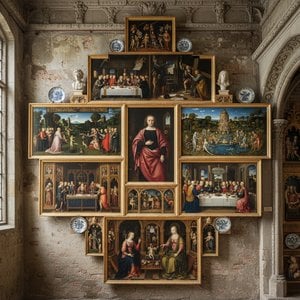
Journey into the Early Netherlandish Renaissance! Explore 10 iconic paintings by Jan van Eyck, Rogier van der Weyden & more. Discover stunning detail, symbolism, and oil painting techniques. Find museum-quality art reproductions for your home at WahooArt.com.
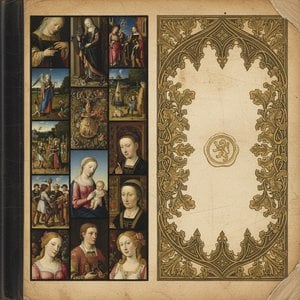
Journey into the world of Early Netherlandish painting! Explore 10 masterpieces by Jan van Eyck, Rogier van der Weyden & more. Discover stunning detail, symbolism & Renaissance art for your home decor. Find museum-quality reproductions on WahooArt.com

Explore the revolutionary art of Hugo van der Goes – a master of Early Netherlandish painting renowned for his dramatic realism, psychological depth & profound influence on Renaissance artists. Discover his iconic works and lasting legacy.

Explore the revolutionary art of Rogier van der Weyden, a pivotal figure of the Early Netherlandish Renaissance. Discover his emotional realism, innovative compositions, and lasting impact on painting history.

探索伦勃朗25幅杰作,领略荷兰黄金时代光影大师的艺术传奇!从《夜巡》到自画像,深入了解巴洛克艺术、历史绘画与人物肖像背后的故事。WahooArt.com提供高清艺术复制品及家居装饰灵感。立即探索完整系列!

 实景预览
实景预览
 分享
分享 分享
分享
 详情
详情 指南
指南

 下载作品
下载作品
 相似作品
相似作品 X射线
X射线 幻灯片播放
幻灯片播放 问答
问答
 统计数据
统计数据


 展开全文
展开全文









 玻璃选项仅适用于110厘米以下的尺寸。


