博物馆级艺术微喷或帆布版画,制作高效,并提供多种饰面选择。 ( 购买手绘画作 切换至数字图像销售渠道)





























从与原作比例一致的预设尺寸中进行选择。

您可以输入自定义尺寸,以适配特定的画框或空间。如果您选择的尺寸与原图比例不符,我们将对作品进行裁剪,或通过镜像填充/纯色填充边缘的方式来扩展图像。在开始制作之前,我们会向您发送一份数字效果图供您确认。
请注意,屏幕上的预览并不能反映实际的裁剪或扩展效果。只有效果图才能准确展示最终的构图。
虽然我们提供定制尺寸,但为了保持原图比例,我们建议您从预设列表中选择尺寸。

Madonna and Child
复制品尺寸
Lucas Cranach the Elder's "Madonna and Child," painted in 1529, is more than just a depiction of Mary and Jesus; it’s a profound meditation on motherhood, faith, and the burgeoning spirit of the Reformation. Crafted during a period of intense religious and political upheaval in Germany, this painting stands as a testament to Cranach's remarkable ability to capture both the idealized beauty of Renaissance art and the deeply personal emotions at its core. The work immediately draws the viewer into a scene of serene intimacy – a mother cradling her child within a softly lit domestic space, yet imbued with an almost otherworldly grace.
Cranach’s Northern Renaissance style is evident in every brushstroke. He eschews the overly polished and idealized forms favored by some of his contemporaries, opting instead for a more naturalistic approach. The figures possess a tangible humanity; Mary isn't presented as an ethereal goddess but as a woman, radiating warmth and tenderness. The subtle modeling of her face, the gentle curve of her hands cradling the infant Jesus – these details speak to Cranach’s meticulous attention to detail and his deep understanding of human anatomy.
Painted against a backdrop suggestive of a simple interior—a glimpse through an open window revealing a landscape—the scene subtly reflects the shifting social and religious landscape of 16th-century Germany. The Reformation was gaining momentum, challenging established authority and fostering a new emphasis on individual faith. Cranach, a close friend to Martin Luther, skillfully incorporated elements that resonated with this evolving worldview. While rooted in traditional Marian iconography, the painting avoids overt displays of piety, instead focusing on the quiet dignity and profound love between mother and child.
The inclusion of two additional figures – a man on the left and another on the right – adds an intriguing layer of complexity to the composition. These individuals likely represent family members or attendants, suggesting a scene of domestic life within a broader social context. Their presence underscores the importance of familial bonds and community in the lives of ordinary people during this transformative era.
The painting is rich with symbolic meaning. The open window, for instance, can be interpreted as a metaphor for divine grace – a glimpse beyond the earthly realm into the realm of God. Mary’s modest attire and gentle expression convey humility and devotion. Crucially, the positioning of Jesus in her arms—close to her breast—is not merely a depiction of physical closeness but also symbolizes his intimate connection with humanity and his role as the embodiment of divine love. The use of blue pigments, particularly in Mary's robes, further reinforces this symbolism, representing purity, faith, and royalty – attributes traditionally associated with the Virgin Mother.
“Madonna and Child” by Lucas Cranach the Elder is a masterpiece that continues to captivate viewers centuries after its creation. Its enduring appeal lies in its ability to evoke a powerful sense of empathy, reverence, and hope. Reproductions of this iconic work offer an opportunity to bring this timeless image into your home or office, transforming any space with its serene beauty and profound message. It’s a reminder of the universal themes of love, faith, and family—values that resonate deeply across cultures and generations.


1472 - 1553 , 德國

Explore the profound precision of German Renaissance art. From Albrecht Dürer’s intricate engravings to the soulful depth of Northern Renaissance portraiture, discover a masterclass in detail, humanism, and technical mastery for the true art enthusiast.
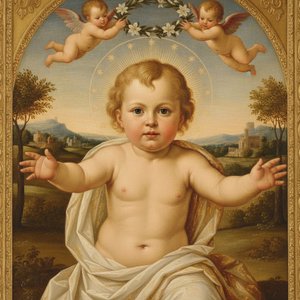
Explore the profound beauty of Baby Jesus in fine art history. From Raphael's Renaissance masterpieces to symbolic light, discover how classical painters captured divine innocence through masterful technique and sacred iconography.
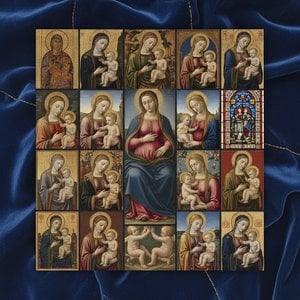
Embark on a sophisticated journey through art history with our curated guide to the most iconic Madonna and Child masterpieces. Discover the profound beauty, theological depth, and enduring legacy of these sacred Renaissance treasures.


 效果预览
效果预览
 分享
分享 分享
分享
 详情
详情 指南
指南

 下载
下载
 相似作品
相似作品 X射线
X射线 幻灯片播放
幻灯片播放 统计数据
统计数据


 展开详情
展开详情









 玻璃选项仅适用于110厘米以下的尺寸。