
由我们的艺术家按需定制,为您提供您所选尺寸及画框的布面手工油画。 ( 切换至版画销售渠道 切换至数字图像销售渠道)





























您可以从与原作比例一致的预设尺寸中进行选择。

您可以输入自定义尺寸,以适配特定的画框或空间。如果所选尺寸与原图比例不符,我们将通过裁剪作品或添加手绘元素来扩展画面。数字样稿将在制作开始前发送给您确认。
请注意,屏幕预览无法准确反映实际的裁剪或扩展效果,只有样稿才能真实呈现最终的构图。
虽然我们提供定制尺寸服务,但为了保留原作比例,建议您从预设列表中选择尺寸。

The Bottle
复刻品尺寸说明
In the vibrant, experimental atmosphere of 1914 Paris, Juan Gris achieved a profound synthesis of reality and abstraction in his seminal work, The Bottle. This composition serves as a breathtaking testament to the era of papier collé, a technique that revolutionized the way artists approached the canvas. Unlike the more fragmented and austere approaches of his contemporaries, Picasso and Braque, Gris utilized a method that felt lush, deliberate, and deeply textured. The painting invites the viewer into a meticulously constructed world where the boundaries between everyday objects and artistic invention blur, creating a sense of organized chaos that is both intellectually stimulating and visually captivating.
The subject matter—a collection of bottles, a cup, and a clock—transcends mere still life. Through the clever use of layered papers and paint, Gris transforms mundane items into a complex architectural arrangement. The central bottle, bearing the name "Philip," acts as an anchor for the eye, its translucent brown tones suggesting the weight and depth of real glass. Surrounding it, the presence of other vessels and the rhythmic geometry of the clock create a dense, layered environment. This is not merely a depiction of objects; it is an exploration of how we perceive space and form through the intersection of different materials and textures.
What distinguishes The Bottle is Gris’s unparalleled mastery of the papier collé technique. During a prolific eight-month period in 1914, Gris experimented with the hybrid medium of adhering diverse paper elements—ranging from newspaper clippings to patterned wallpapers—directly onto the canvas. This method allowed him to introduce "real" textures into the painted realm, challenging the traditional sanctity of oil painting. He did not simply paste shapes; he carefully planned each layer, using cut and matched pieces of paper to build a structural foundation that he would then outline, shade, and highlight with masterful precision.
This technique creates a fascinating tension between trompe l’oeil (deceiving the eye) and pure abstraction. While some elements mimic the appearance of physical depth and light, others remain resolutely flat and graphic. For the discerning collector or interior designer, this duality offers an incredible versatility. The work possesses a rhythmic, decorative quality that can anchor a modern room with its sophisticated geometry, yet it retains a profound historical weight that commands respect in any gallery setting.
Beyond its visual allure, The Bottle represents the intellectual climax of Gris’s exploration into Cubism. His background in engineering is evident in the structural integrity of the composition; every fragment feels essential to the whole. The work captures a specific moment in art history—the transition from the analytical deconstruction of objects to the synthetic reconstruction of new realities. It is a piece that rewards repeated viewing, as the eye discovers new intersections of color, shadow, and texture with every glance.
For those seeking to bring a piece of the Parisian avant-garde into their personal or professional spaces, a high-quality reproduction of this work offers more than just decoration. It provides an entry point into the revolutionary spirit of 1914. The painting’s rich palette of earth tones, punctuated by the sharp lines of newsprint and geometric forms, makes it an ideal centerpiece for sophisticated interiors that value historical depth, intellectual rigor, and the timeless beauty of the Cubist movement.

1887 - 1927

Unveil the radical revolution of Cubism. Explore how masters like Picasso and Braque redefined modern art through fragmented forms and geometric abstraction, offering profound insights for discerning collectors of fine art history and masterpieces.

Explore the profound evolution of Cubism through an expert analysis of Pablo Picasso's revolutionary works. From Analytical to Synthetic Cubism, discover the techniques that redefined modern art and learn how to curate these iconic masterpieces for your private collection.
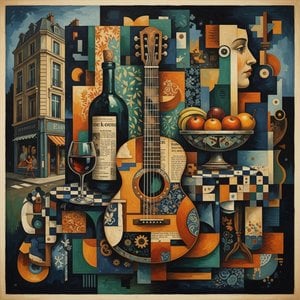
Master the vibrant world of Synthetic Cubism with our expert guide. Explore the revolutionary techniques of Picasso and Braque, from collage to color, and discover how this movement redefined modern art for collectors and connoisseurs alike.

Embark on a journey through the revolutionary world of Cubism. Discover how masters like Picasso redefined perspective through Analytical and Synthetic techniques in this expert-led guide for art enthusiasts and collectors.

Master the complexities of Cubism with our expert guide for collectors. Explore the revolutionary forms of Picasso, distinguish between Analytical and Synthetic styles, and learn to integrate these profound geometric aesthetics into your private art collection.


 实景预览
实景预览
 发送
发送 分享
分享
 详情
详情 指南
指南

 下载图片
下载图片
 相似作品
相似作品 X射线
X射线 幻灯片播放
幻灯片播放 统计数据
统计数据


 阅读全文
阅读全文









 玻璃选项仅适用于110厘米以下的尺寸。


