
 Oil On CanvasWallArtAnalytical Cubism
 1912Early Modern
 128.0 x 88.0 cm
 费城艺术博物馆
博物馆级艺术微喷或帆布版画,制作高效,并提供多种饰面选择。 ( 购买手绘画作 切换至数字图像销售渠道)





























从与原作比例一致的预设尺寸中进行选择。

您可以输入自定义尺寸,以适配特定的画框或空间。如果您选择的尺寸与原图比例不符,我们将对作品进行裁剪,或通过镜像填充/纯色填充边缘的方式来扩展图像。在开始制作之前,我们会向您发送一份数字效果图供您确认。
请注意,屏幕上的预览并不能反映实际的裁剪或扩展效果。只有效果图才能准确展示最终的构图。
虽然我们提供定制尺寸,但为了保持原图比例,我们建议您从预设列表中选择尺寸。

Man in the Cafe
复制品尺寸
Juan Gris’s “Man in the Cafe,” completed in 1912, stands as a cornerstone of Analytical Cubism—a movement that irrevocably altered the landscape of European art. More than just a depiction of a Parisian café scene, it's an intellectual experiment meticulously crafted to dismantle traditional notions of perspective and representation.
Born José Victoriano González-Pérez in Madrid, Gris’s artistic journey began with an engineering education, demonstrating a methodical mind that would later translate into his groundbreaking visual explorations. Influenced by Pablo Picasso and Georges Braque—the architects of Cubism—Gris sought to push the boundaries of artistic expression during a period marked by significant intellectual ferment.
The movement emerged in Paris around 1907, responding to the burgeoning avant-garde spirit of the era. Artists like Picasso and Braque were actively dismantling established conventions, prioritizing geometric abstraction over realistic depiction—a daring stance that challenged the prevailing aesthetic sensibilities of their time.
Despite its apparent simplicity, “Man in the Cafe” is laden with symbolic significance. The obscured face of the man represents anonymity and universality—suggesting that he embodies the human condition itself. The pipe and bottle serve as grounding elements, anchoring the fragmented forms within a recognizable environment.
The muted color palette—dominated by earthy tones—contributes to the painting’s melancholic mood, mirroring the contemplative gaze of the subject. Gris's deliberate use of color reinforces the emotional resonance of the scene, inviting viewers to contemplate themes of isolation and introspection.
"Man in the Cafe" continues to captivate audiences today with its masterful blend of technique and conceptual innovation. It serves as a testament to Gris’s unwavering belief in the transformative power of art—a conviction that resonates across generations of artists and collectors alike.
Reproductions of this iconic artwork offer an opportunity to experience firsthand the profound aesthetic and intellectual legacy of Analytical Cubism, transporting viewers into the heart of a pivotal moment in artistic history. Its enduring appeal underscores the timeless beauty found within fragmented forms and contemplative observation.

1887 - 1927

Unveil the radical revolution of Cubism. Explore how masters like Picasso and Braque redefined modern art through fragmented forms and geometric abstraction, offering profound insights for discerning collectors of fine art history and masterpieces.
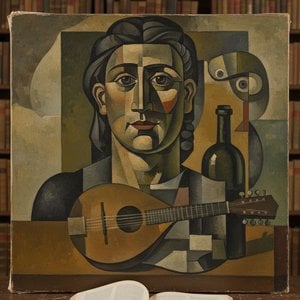
Master the complexities of Analytical Cubism with our expert guide. Explore how Picasso and Braque revolutionized art through fragmented perspective, geometric abstraction, and muted palettes—essential knowledge for every discerning art collector.

Embark on a journey through the revolutionary world of Cubism. Discover how masters like Picasso redefined perspective through Analytical and Synthetic techniques in this expert-led guide for art enthusiasts and collectors.

Master the complexities of Cubism with our expert guide for collectors. Explore the revolutionary forms of Picasso, distinguish between Analytical and Synthetic styles, and learn to integrate these profound geometric aesthetics into your private art collection.
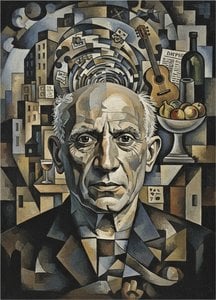
Explore the profound evolution of Cubism through an expert analysis of Pablo Picasso's revolutionary works. From Analytical to Synthetic Cubism, discover the techniques that redefined modern art and learn how to curate these iconic masterpieces for your private collection.


 效果预览
效果预览
 分享
分享 分享
分享
 详情
详情 指南
指南

 下载
下载
 相似作品
相似作品 X射线
X射线 幻灯片播放
幻灯片播放 统计数据
统计数据 展开详情
展开详情









 玻璃选项仅适用于110厘米以下的尺寸。


