
 Ink On PaperContemporary Realism
 190019th Century
 23.0 x 29.0 cm
 Leo Baeck Institute
由我们的艺术家按需定制,为您提供您所选尺寸及画框的布面手工油画。 ( 切换至版画销售渠道 切换至数字图像销售渠道)





























从与原作比例一致的预设尺寸中进行选择。

您可以输入自定义尺寸,以适配特定的画框或空间。如果所选尺寸与原图比例不符,我们将通过裁剪作品或添加手绘元素来扩展画面。数字样稿将在制作开始前发送给您确认。
请注意,屏幕预览无法准确反映实际的裁剪或扩展效果,只有样稿才能真实呈现最终的构图。
虽然我们提供定制尺寸服务,但为了保留原作比例,建议您从预设列表中选择尺寸。

Moroccan Jew, Jerusalem
复制品尺寸
In the delicate, monochromatic world of Hermann Struck’s Moroccan Jew, Jerusalem, time seems to suspend itself within the fine strokes of a pen. Created in 1900, this exquisite drawing serves as more than just a portrait; it is a profound window into a vanishing era and a specific cultural identity. The subject, captured in a dignified profile, wears the traditional turban and head coverings characteristic of North African Jewish heritage, grounding the viewer in the historical tapestry of Jerusalem at the turn of the century. Struck, a master of line, does not merely depict a face; he captures a presence that feels both intimately personal and historically monumental.
The emotional resonance of the piece lies in its quietude. There is a sense of contemplative stillness emanating from the subject’s gaze, inviting the observer to pause and reflect. For the collector or the lover of fine art, this work offers a moment of meditative peace. The subtle interplay of light and shadow across the contours of the man's features evokes a feeling of reverence, making it an ideal centerpiece for a space dedicated to thought, history, or cultural appreciation.
Technically, Moroccan Jew, Jerusalem is a triumph of precision and patience. Struck utilizes the medium of pen and ink with the expertise of a seasoned etcher, employing meticulous hatching and stippling to build volume where there is no color. The artist’s hand is visible in every varying line weight, which creates a sculptural depth across the subject's brow, nose, and beard. This technique allows for a remarkable level of realism while maintaining a stylized, almost graphic elegance that prevents the portrait from feeling like a mere photographic reproduction.
The texture of the work is particularly captivating for those with an eye for detail. The way the ink settles into the paper creates a sense of organic warmth, despite the lack of a palette. Through careful cross-hatching, Struck achieves a sophisticated tonal range that suggests the soft folds of fabric and the ruggedness of skin. This mastery of monochrome makes the piece exceptionally versatile for interior design; its neutral, classic tones allow it to integrate seamlessly into both contemporary minimalist settings and more traditional, opulent decors.
To understand this artwork is to understand the broader context of Hermann Struck’s life and his role in the Zionist art movement. As a German-Jewish artist who would later become a pivotal figure in documenting prominent figures like Albert Einstein and Theodor Herzl, Struck possessed a unique ability to capture the essence of human dignity. This portrait is part of that larger mission—to document the faces, landscapes, and spirits of a people and their connection to sacred lands.
For an interior designer or a discerning collector, acquiring a reproduction of this caliber means bringing a piece of art history into the home. It is a work that speaks of heritage, resilience, and the enduring power of the human spirit. Whether displayed in a private study, a sophisticated gallery wall, or a curated living space, Moroccan Jew, Jerusalem acts as a conversation starter, bridging the gap between the historical significance of the early 20th century and the aesthetic demands of the modern era.


1876 - 1944 , 德国

Embark on a sophisticated exploration of ink wash painting and Sumi-e. Uncover the profound historical lineages, Zen philosophies, and technical mastery behind this timeless medium in our authoritative guide for fine art enthusiasts.
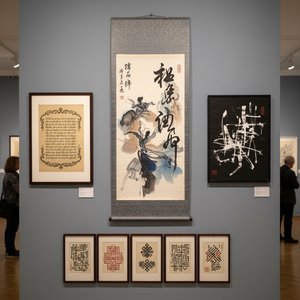
Explore the profound beauty of calligraphy art. From the fluid running script of Chinese masters to historical ink masterpieces, discover how the elegance of line transforms spaces with timeless grace and scholarly sophistication.

Embark on a profound journey through the soul of Chinese calligraphy. Explore the historical mastery of ink, brush, and script, from ancient Zhuanshu to elegant running script, and discover how this timeless art form reflects the enduring spirit of classical East Asian aesthetics.

Embark on a scholarly journey through the alchemy of lithography. This definitive guide offers collectors profound insights into the chemical mastery of stone and ink, the medium's historical legacy, and essential expertise for acquiring rare, museum-quality prints with absolute confidence.

Explore the profound depths of human emotion through art history. Discover how masters use expressive lines and dramatic compositions to convey trauma, resilience, and the human soul in this cultural reflection on powerful, evocative artworks.


 效果预览
效果预览
 分享
分享 分享
分享
 详情
详情

 下载
下载
 相似作品
相似作品 X射线
X射线 幻灯片播放
幻灯片播放 统计数据
统计数据 展开详情
展开详情









 玻璃选项仅适用于110厘米以下的尺寸。


