
购买高分辨率增强版数字图像,其品质远超在线预览。
每一份文件都由我们的内部专家使用先进工具与专业的后期润色技术精心打造。我们确保每一张图像都具备卓越的清晰度、精准的色彩还原度以及细腻的细节表现。
最终文件将在 72 小时内通过电子邮件交付,并针对专业、编辑及印刷用途进行了优化。其品质与顶级设计工作室、出版社和画廊所信赖的标准完全一致。
选择 WahooArt.com,您获得的不仅仅是一张图像——您收到的是经过专业级增强、精雕细琢的数字艺术作品,并享有满意保证。以下是您的订单中自动包含的所有内容:

您的高分辨率数字图像文件将在下单后 72 小时内通过电子邮件发送给您 —— 即可立即使用。

您的艺术品经过专业优化,结合先进的 AI 技术与人工修饰,确保呈现极致的细节、清晰度与色彩准确度。

不小心删除了文件或找不到了?没关系——我们将随时为您免费重发。

即刻拥有您的艺术作品,无需支付任何关税、税费或运费——数字下载始终免税。

我们通过专业工具与色彩管理技术,确保您的数字图像尽可能真实地还原原作色彩。

如果您对所购数字图像不满意,我们将在100天内为您进行修改或提供100%的全额退款——无需任何理由。

不满意?在收到数字文件后的100天内,您可以申请全额退款——无需任何理由。

购买 3 张图片可享 10% 折扣 - 购买 5 张可享 15% 折扣 - 购买 10+ 张可享 20% 折扣。非常适合创意项目、画廊和机构使用。
Frida Kahlo's "Self Portrait with Stalin," painted in 1954, is not merely a depiction of the artist; it’s a complex and unsettling meditation on power, ideology, and the fraught relationship between personal identity and political allegiance. This relatively small canvas – measuring just 59 x 39 centimeters – holds within it a potent visual dialogue that continues to resonate with viewers today. The painting immediately draws attention to Frida herself, posed in a vibrant red dress, her arms crossed in a gesture of both defiance and introspection. Her gaze is directed firmly towards a large portrait of Joseph Stalin hanging in the background, an image rendered largely indistinct – his face obscured, yet his presence undeniably commanding. This deliberate ambiguity is crucial; it’s not about celebrating Stalin, but rather about confronting him, interrogating his authority, and revealing the artist's own conflicted position within the turbulent political landscape of her time.
Painted during a period when Kahlo was grappling with declining health and shifting political alliances – she had recently undergone multiple surgeries and was increasingly disillusioned with the Communist Party – “Self Portrait with Stalin” offers a rare glimpse into her inner turmoil. The choice of Stalin as the subject is particularly striking, given Kahlo’s known Marxist leanings and her admiration for communist ideals. However, the painting isn't a straightforward endorsement; instead, it suggests a critical engagement with the realities of power and the potential dangers of totalitarian regimes. The red dress, typically associated with revolution and passion, here feels tinged with unease, juxtaposed against the imposing figure of Stalin – a symbol of oppression and control.
Executed on masonite, a relatively inexpensive material that allowed Kahlo to work quickly and directly, “Self Portrait with Stalin” exemplifies her distinctive primitivist style. This approach, characterized by bold colors, simplified forms, and an emphasis on symbolic representation rather than meticulous realism, was deeply rooted in Mexican folk art traditions. Kahlo drew inspiration from pre-Columbian imagery and indigenous motifs, infusing her work with a sense of cultural pride and a rejection of European artistic conventions. The painting’s palette is deliberately vibrant – reds, blues, and yellows dominate – creating a visually arresting effect that mirrors the intensity of Kahlo's emotional experience.
Beyond the stylistic elements, “Self Portrait with Stalin” is laden with symbolism. The positioning of Frida in relation to Stalin—her gaze fixed upon him—suggests a confrontation, a questioning of his authority and legacy. The obscured face of Stalin adds another layer of complexity, hinting at the unknowability of power and the potential for manipulation. Some art historians have interpreted the painting as an allegory for Kahlo’s own internal struggles – her battle with illness, her complex relationship with Diego Rivera, and her attempts to reconcile her personal identity with broader political ideologies.
Created in 1954, “Self Portrait with Stalin” reflects the anxieties and uncertainties of post-World War II Europe. The Cold War was intensifying, and ideological divisions were deepening across the globe. Kahlo’s painting serves as a poignant reminder of this era's political tensions and the challenges faced by artists attempting to navigate complex social and political landscapes. It is a testament to her ability to transform personal experience into powerful artistic statements, offering viewers a unique perspective on history and human nature.
At WahooArt, we are proud to offer meticulously crafted oil painting reproductions of “Self Portrait with Stalin,” allowing art enthusiasts to bring this iconic work into their own homes. Each reproduction is created by skilled artisans using traditional techniques, ensuring that it captures the essence of Kahlo’s original vision with remarkable fidelity. Explore our collection today and discover a piece of art history that continues to provoke thought and inspire dialogue.

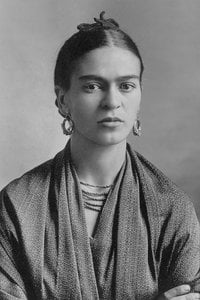
1907 - 1954 , 墨西哥


 效果预览
效果预览
 切换至版画销售渠道
 分享
分享 分享
分享
 详情
详情

 下载
下载
 相似作品
相似作品 X射线
X射线 幻灯片播放
幻灯片播放 统计数据
统计数据


 展开详情
展开详情


