
博物馆级艺术微喷或帆布版画,制作高效,并提供多种饰面选择。 ( 订购此收藏品的纯手工复刻画作 切换至数字图像销售渠道)





























您可以从与原作比例一致的预设尺寸中进行选择。

请输入您所需的宽度和高度,以适配您的画框或墙面。由于印刷品只能进行裁剪,无法超出原图尺寸,因此若比例不一致,画面的一部分将会被裁切。在正式印刷之前,我们会为您发送一份数字效果图供您确认。本页面显示的图片并非最终裁剪后的效果——只有效果图才能展示真实的裁剪情况。
Princess Bridge
复刻品尺寸说明
Frederick McCubbin's "Princess Bridge," painted in 1908, isn't merely a depiction of an iconic Melbourne landmark; it’s a poignant distillation of the Australian spirit. The painting captures the Princess Bridge – then a relatively new and grand structure – bathed in the golden light of late afternoon. More than just architectural detail, McCubbin has imbued the scene with a profound sense of nostalgia and quiet contemplation. The bridge itself, rendered with meticulous precision, becomes a symbol of connection, linking the city to its surrounding landscape. But it’s the subtle details—the fluttering flags, the castle-like structure in the distance reminiscent of European fairy tales, and the scattered figures enjoying the view – that elevate the work beyond simple observation.
The scene is firmly rooted within the Heidelberg School movement, a group of Australian artists who sought to capture the essence of their homeland. Rejecting the academic traditions prevalent at the time, they embraced *plein air* painting—working directly from nature—and developed a distinctive style characterized by loose brushstrokes, vibrant colors, and an intimate portrayal of rural life. McCubbin’s work exemplifies this approach perfectly; he doesn't strive for photographic realism but rather aims to evoke feeling and atmosphere.
McCubbin’s artistic journey was significantly shaped by his exposure to J.M.W. Turner, a pivotal figure in the development of Impressionism. During a trip to Europe in 1907, McCubbin spent time studying Turner's landscapes, particularly his masterful use of light and color. This encounter profoundly impacted McCubbin’s technique, leading him to adopt looser brushwork and prioritize capturing fleeting moments of light and atmosphere. The painting’s hazy quality, the diffused colors, and the emphasis on atmospheric perspective are all hallmarks of this Turner-inspired influence.
Furthermore, "Princess Bridge" anticipates some of the key themes explored by the Heidelberg School – a romanticized vision of the Australian bush, a fascination with pioneering life, and a deep connection to the land. The castle in the background, a fantastical element, adds a layer of mystery and invites viewers to contemplate the relationship between reality and imagination.
Beyond its technical merits, "Princess Bridge" is rich in symbolism. The flags flying above the bridge represent national pride and civic celebration, commemorating the opening of Parliament in 1901. The castle, often interpreted as a symbol of European heritage, subtly contrasts with the rugged Australian landscape, suggesting a dialogue between tradition and modernity. The figures scattered throughout the scene are not merely observers but participants in this shared experience—they represent the diverse communities that make up Melbourne.
Ultimately, "Princess Bridge" evokes a sense of quiet beauty and wistful nostalgia. It’s a painting that invites viewers to slow down, appreciate the simple pleasures of life, and reflect on the enduring spirit of Australia. The soft light, the evocative details, and the underlying symbolism combine to create an artwork that is both visually stunning and emotionally resonant—a true masterpiece of Australian art.
在“Princess Bridge”中,Acrylic On Canvas技法与Heidelberg School运动完美融合。
《Princess Bridge》采用Acrylic On Canvas创作。
弗雷德里克·麦库宾 (Fú Lè Dé Lì Kè · Mài Kù Bīn) 在 Heidelberg School 运动时期创作了《Princess Bridge》。


1855 - 1917 , 澳大利亚

Explore the captivating world of Frederick Morgan, a key figure in Victorian Aestheticism. Discover his beautiful paintings, recurring themes, and lasting legacy with our expert analysis. Learn more today!

Explore the luminous landscapes of John Frederick Kensett, a master of Luminism and key figure in the Hudson River School. Discover his serene paintings & enduring legacy with WahooArt.

Explore the captivating world of Frederick Goodall (1822–1904), a celebrated Victorian artist renowned for his detailed genre paintings and evocative Egyptian scenes. Discover his life, legacy & find high-quality reproductions at WahooArt.
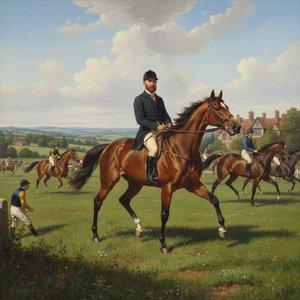
Explore the life & work of John Frederick Herring Sr., a leading Victorian equestrian artist. Discover his masterpieces, patronage, techniques & investment potential. Expert insights for collectors.

Explore the captivating Orientalist paintings of John Frederick Lewis! Discover his mastery of detail, genre scenes & influence on 19th-century British art. Learn about his life, techniques & legacy at WahooArt.


 实景预览
实景预览
 发送
发送 分享
分享
 详情
详情 指南
指南

 下载图片
下载图片
 相似作品
相似作品 X射线
X射线 幻灯片播放
幻灯片播放 统计数据
统计数据


 阅读全文
阅读全文









 玻璃选项仅适用于110厘米以下的尺寸。


