博物馆级艺术微喷或帆布版画,制作高效,并提供多种饰面选择。 ( 订购纯手工绘制画作 切换至数字图像销售渠道)





























您可以从与原作比例一致的预设尺寸中进行选择。

请输入您所需的宽度和高度,以适配您的画框或墙面。由于印刷品只能进行裁剪,无法超出原图尺寸,因此若比例不一致,画面的一部分将会被裁切。在正式印刷之前,我们会为您发送一份数字效果图供您确认。本页面显示的图片并非最终裁剪后的效果——只有效果图才能展示真实的裁剪情况。
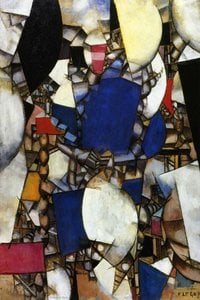
Mechanical compositions
复刻品尺寸
与 费尔南·莱热 的《Mechanical compositions》 相似的作品已汇集在作品的 相似作品 页面中。
"Mechanical compositions" 拥有专属的 访问统计 页面。该页面通过国家和语言维度的细分,展示了该作品及艺术家其他作品的每月访问量趋势图。
“Mechanical compositions”呈现出Warm Sunset Tones色调。

费尔南·莱热的故事始于诺曼底下诺尔省的阿根坦村。1881年2月4日,他作为独生子降生于这个世界。他的早年生活被法国乡村的宁静以及母亲玛丽-阿德尔·道努(Marie-Adèle Daunou)的陪伴所塑造。他的父亲是一名靠贩卖牲畜为生的商人,在费尔南还很年幼时便撒手人寰,留下这个孩子在母亲的抚育下长大,那是一个充满了虔诚与谦逊气息的家庭。
这种在诺曼底乡村景观中的成长经历,与他日后在法国文化繁华中心所过着的生活形成了鲜明的对比。虽然他的根基扎于土地和农业生活的体力劳动之中,但他的精神却被现代社会的复杂性所吸引。最终,他的影响力远远超出了阿根坦的边界,成为一位跨越多种艺术领域的探索者。他并未将自己局限于画布之上,而是试图通过雕塑和电影的动态影像来表达他的视觉愿景。
他的生命轨迹是在童年时期那种有机的质感与城市中结构化的机械节奏之间不断穿梭。这种二元性定义了他的存在,随着他穿行于这个变革世纪的更迭之中。他的道路从未平坦,始终伴随着童年传统世界与未来快速工业脉动之间的张力,而他最终通过艺术,成为了定义这种未来节奏的关键人物。
费尔南·莱热的艺术愿景,其根基深植于法国下诺曼底奥恩省阿根坦的田园风光之中。出生于一个以畜牧业为生的家庭,他的早年岁月被土地的质感与农业生活的律动所塑造。这种对真实、劳作世界的深刻感知,如同一种无声的力量,潜伏在他日后更为复杂的艺术探索之下。作为独生子,他在一位虔诚且谦逊的母亲抚育下成长,最初的生命轨迹被引向了严谨的建筑学领域。从1897年到1899年,他全身心地投入到这项技术性手艺中,学习空间的逻辑以及精确绘图的必要性。
到了1900年,城市的召唤变得愈发强烈,令他无法抗拒,于是他移居巴黎。在当时,他通过担任建筑绘图员来维持生计,这份工作要求对线条与比例有着极其敏锐的洞察力。虽然建筑学的正式训练为他奠定了结构理解的基础,但他的心早已开始向画布偏移。他曾试图考入享有盛誉的巴黎美术学院,尽管未能获得正式学生的身份,但他并未因此气馁,而是以旁听生的身份在学校学习,在学术体制的边缘汲取大师们的教诲。这段求学时光,虽然有时被视为一段迷茫的探索期,但对于磨炼他的技术功底至关重要——正是这些技艺,让他最终能够以自己的方式,去拆解并重构这个世界。
1907年,当这位艺术家在秋季沙龙(Salon d'Automne)邂逅塞尚的回顾展时,一场深刻的艺术变革在他内心悄然发生。这次邂逅犹如一颗催化剂,将他从少年时代那种柔和的印象主义风格中剥离出来,引向一种更具结构性的视觉感知方式。他开始穿透事物的表象,转而探寻定义世界的底层几何逻辑。到了1909年,随着他与亚历山大·阿基潘科、雅克·利普希茨、马克·夏加尔以及罗伯特·德劳内等艺术巨匠的交汇,他在巴黎创意圈的影响力日益增强。这些邂逅绝非简单的社交往来,而是新思想的激烈碰撞,共同塑造了他不断演进的艺术愿景。
随着岁月的流转,费尔南·莱热逐渐进入了“皮托小组”(Puteaux Group)的视野,这个被称为“黄金分割”(Section d'Or)的艺术家圈子成为了他的精神栖息地。他与让·梅津格和亨利·勒弗科尼埃并肩作战,共同探索这种全新艺术语言在数学与结构上的无限可能。他并不满足于仅仅追随前人的足迹,而是试图在那个时代标志性的破碎平面与重叠形态中,开辟出属于自己的路径。这段充满张力的实验时期,最终促成了他在1911年独立沙龙展(Salon des indépendants)上的首次重大亮相,并在那里展示了他的杰作——《森林中的裸体》。
第一次世界大战的动荡将这位艺术家从巴黎的画室中生生拽出,推向了前线残酷的现实。从1914年到1917年,他在法国军队中服役,在阿贡森林度过了两年艰苦卓绝的岁月。这场冲突不仅仅是他生命中的一段背景,更是一种彻底改变了他对形式认知的变革力量。1916年,一场毒气袭击险些夺走他的生命,在他休养期间,周围的世界正被工业毁灭的巨大力量重新塑造。即便是在那年短暂的休假中,他也无法抑制创作的冲动,创作出了《抽烟斗的士兵》。这件作品捕捉到了一种全新的现实感——在那个战场被机器统治的时代,人类的躯体也开始呈现出机器般的特质。
到了1917年,他的创作精神发生了显著的转向,这标志着他所谓的“机械时期”的开端。他在现代战争与工业的工具与技术中,发现了一种奇特而富有节奏感的律动之美。那些圆滑的管状形态与机械零件的精准感,成为了他全新的视觉语言。在他眼中,这些物体并非冰冷或缺乏情感的,相反,他拥抱了它们的力度,以及它们在组织现代生存之混沌中所展现出的秩序感。战争剥离了他早期作品中那些柔和的边缘,取而代之的是一种棱角分明、结构清晰的质感,如同一个正在剧烈变革的时代中,那些钢铁与活塞所散发出的力量。
他的画笔带着一种律动感,甚至拥有一种近乎工业化的精准,试图捕捉那个剧变时代的脉搏。他背离了过去那种柔和、晕染的阴影处理方式,转而选择通过一种充满力量感的几何语言来构建画面。这种探索催生了一种独特的个人化立体主义,被评论界戏称为“管状主义”。在这种风格中,世界通过圆柱形、圆锥形和立方体的形态被重新构想,创造出一种既厚实稳重又充满动感的体积感。他不仅仅是在描绘物体,更是在探寻物体内在的、本质的结构逻辑。
他所选用的色彩与其填充的形状一样,都充满了张力。他偏爱以原色为主的色调,并常以鲜明的黑白进行点缀,这有助于勾勒出主体清晰的边界。他并不依赖传统的错觉主义手法,而是以大胆、扁平的色块来涂抹色彩。他经常使用厚涂法(impasto),这种技法强调了颜料在画布上的物质存在感。这种质感化的处理方式确保了他的作品具有一种扎实、写实的物质感,恰好映射出他所崇尚的机器与城市建筑。他的形象往往呈现出光滑、机械化的轮廓,模糊了有机的人体形态与现代工业精密工程之间的界限。
全球冲突的动荡浪潮最终将这位艺术家从巴黎的艺术圈中抽离,带到了大西洋的另一端。在1940年至1945年间,他生活在美国,这段经历为他长期以来试图在画布上转译的现代世界提供了全新的视角。这段海外时光为他漫长的艺术演变提供了一个停顿,成为他最终回归法国故土之前的过渡时刻。
回到祖国后,他的个人生活发生了重大变化。1952年2月,他与纳迪亚·霍达塞维奇(Nadia Khodasevich)结为连理。这段婚姻开启了他生命的最终篇章,在此期间,他持续创作出风格多样的作品,从宏伟的壁画到细腻的彩色玻璃窗,不一而足。即便步入晚年,他在国际舞台上的声望依然稳固。1955年,他荣获圣保罗双年展大奖,这一至高无上的荣誉与他逝世的年份重合。1955年8月17日,费尔南·莱热在法国伊维特河畔吉夫逝世。
费尔南·莱热留下的印记,早已超越了他所处时代的先锋艺术圈。通过在抽象艺术与具象表现之间架起桥梁,他为艺术家提供了一种与现代世界对话的新方式,而无需完全抛弃人类主体。他的创作手法让几何结构的逻辑与人物及物体的可识别存在之间展开了一场深刻的对话。这种在纯粹概念与触手可及的实体之间寻找平衡的能力,深刻地塑造了此后许多艺术流派的发展方向。
他对形式的大胆简化以及对大规模生产美学的痴迷,无异于波普艺术运动的先驱。他在机器时代重复且功能性的本质中发现了一种独特的美感,这种视角在后来引起了新一代创作者的强烈共鸣。诸如 罗伊·利希滕斯坦 和 安迪·沃霍尔 等艺术家,从他对大胆轮廓和机械意象的实验中,清晰地汲取灵感,并将其延伸至对大众文化的探索之中。他为那个最终歌颂工业与商业元素的时代,提前准备好了视觉语言——而那些元素,正是他曾试图将其转化为画布生命的灵魂。
若想亲身感受他艺术愿景的实体存在,你或许需要踏上一段前往法国南部的旅程,前往滨海阿尔卑斯省的比奥(Biot)。在这里,坐落着专门用于研究与保护其创作成果的国家费尔南·莱热博物馆(Musée national Fernand Léger)。这座博物馆就安置在马斯圣安德烈别墅(Mas Saint-André)内,这里曾是艺术家本人的居所。在这些墙垣与环绕的庭院之间,他那些色彩斑斓的陶瓷雕塑找到了最契合的归宿,让观者得以直观地观察他的艺术形态是如何与地中海景观的光影与空间交织共鸣的。
除了这处专门的艺术圣地,他的画布与雕塑作品还被珍藏在多家重要的艺术机构之中。法国的艺术与历史博物馆(Musée d'Art et d'Histoire)也保存有他的作品系列,确保他在更宏大的法国艺术叙事中占据一席之地。通过这些馆藏,人们得以持续探究他是如何将机器时代的能量转化为静止却又充满律动的视觉形式。对于那些追寻其独特美学的旅行者来说,可以在以下几家主要收藏机构中寻得他的踪迹:
虽然他的影响力也潜移默化地流淌在后世艺术家的作品中,但亲眼见证他笔触最直接的方式,仍是走进这些历史悠久的艺术殿堂。无论是在博物馆的静谧中凝视那些大胆的圆柱形构图,还是在花园的幽静中观赏他的雕塑,观者所面对的始终是那份定义了他艺术生涯的、极具结构感的清晰美学。他的遗产被稳固地锚定在这些特定的地点,那些画作中沉重而机械的律动,正静静地等待着每一位试图探寻其几何真谛的寻觅者。

1881 - 1955 , 法國
Immerse yourself in the vibrant world of Fernand Léger. Explore 25 iconic masterpieces of Cubism and Tubism, from bold geometric forms to machine-age energy. Find inspiration for your decor with museum-quality reproductions. Discover all masterpieces on WahooArt.com.

Explore the vibrant world of Fernand Léger. Discover how his 'Tubism' and Machine Age aesthetics redefined modern art, offering profound inspiration for discerning collectors seeking geometric beauty and industrial dynamism.

Explore 10 iconic artworks that define the industrial aesthetic. From gritty urban landscapes to metallic textures, discover the stories behind these timeless masterpieces. Find museum-quality art reproductions and curated decor inspiration. Explore the full collection on WahooArt.com.

 实景预览
实景预览
 分享
分享 分享
分享
 详情
详情 指南
指南

 下载作品
下载作品
 相似作品
相似作品 X射线
X射线 幻灯片播放
幻灯片播放 问答
问答
 统计数据
统计数据

 展开全文
展开全文









 玻璃选项仅适用于110厘米以下的尺寸。