免费艺术咨询

x
购买版画 购买版画定制手绘复刻品 定制手绘复刻品 分享分享
详情详情 加入收藏 加入收藏 下载下载 相似作品相似作品 X射线X射线 幻灯片播放幻灯片播放

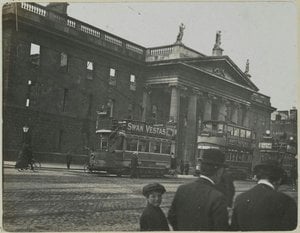
Eclipse, 1911

Discover "Eclipse, 1911" by Eugène Atget – a captivating black & white photograph of Parisian street life. Explore this iconic image's historical significance and artistic merit.

Discover Eugène Atget (1857-1927), a pioneering French photographer who meticulously documented Old Paris before its transformation. Explore his evocative images of architecture, streets & Parisian life.

购买高分辨率增强版数字图像,其品质远超在线预览。

每一份文件都由我们的内部专家使用先进工具与专业的后期润色技术精心打造。我们确保每一张图像都具备卓越的清晰度、精准的色彩还原度以及细腻的细节表现。

最终文件将在 72 小时内通过电子邮件交付,并针对专业、编辑及印刷用途进行了优化。其品质与顶级设计工作室、出版社和画廊所信赖的标准完全一致。

数字图像

下载高分辨率文件,用于个人展示、打印及创意项目。

最终价格

$9.99

每份数字图像订单均包含

专业数字图像交付,品质保障

选择 WahooArt.com,您获得的不仅仅是一张图像——您收到的是经过专业级增强、精雕细琢的数字艺术作品,并享有满意保证。以下是您的订单中自动包含的所有内容:

shipping_icon
邮件快速送达

您的高分辨率数字图像文件将在下单后 72 小时内通过电子邮件发送给您 —— 即可立即使用。

canvas_icon
AI 增强型数字文件

您的艺术品经过专业优化,结合先进的 AI 技术与人工修饰,确保呈现极致的细节、清晰度与色彩准确度。

insurance_icon
终身免费重发服务

不小心删除了文件或找不到了?没关系——我们将随时为您免费重发。

tax_icon
无需进口费用,始终如一

即刻拥有您的艺术作品,无需支付任何关税、税费或运费——数字下载始终免税。

color_icon
色彩精准保证

我们通过专业工具与色彩管理技术,确保您的数字图像尽可能真实地还原原作色彩。

return_icon
60天满意保证

如果您对所购买的数字图像不满意,我们将在60天内为您进行修改或退还100%的款项——无需任何解释。

guarantee_icon
100% 退款保证

如果不满意?在收到数字文件后的60天内,我们为您提供全额退款——无需任何理由。

discount_icon
批量订单优惠

购买 3 张图片可享 10% 折扣 - 购买 5 张可享 15% 折扣 - 购买 10+ 张可享 20% 折扣。非常适合创意项目、画廊和机构使用。

作品概览

  • Artist: Eugène Atget
  • Artistic style: Documentary
  • Influences: Impressionism
  • Movement: Photography
  • Subject or theme: Parisian cityscape
  • Location: The Metropolitan Museum of Art
  • Notable elements or techniques: Glass negative printing

艺术知识测试

每道题只有一个正确答案。

题目 1:
What is the primary subject matter depicted in Eugène Atget’s photograph ‘Eclipse’?
题目 2:
Approximately when was the photograph ‘Eclipse’ printed?
题目 3:
What artistic technique did Eugène Atget employ to create this image?
题目 4:
The photograph captures a moment of observation by visitors. What does this suggest about Atget’s artistic intention?
题目 5:
Where is ‘Eclipse’ currently housed?

藏品详情

A Silent Witness to Parisian Decay

Eugène Atget’s “Eclipse,” produced in 1956 from a glass negative taken in 1911, isn't merely a photograph; it’s a poignant snapshot of a disappearing Paris—a city grappling with the anxieties of modernity while clinging stubbornly to its past. Captured during the Belle Époque, a period characterized by optimism and artistic flourishing, Atget’s image offers a stark contrast to the prevailing celebratory mood.

The photograph depicts a group of individuals standing before what appears to be a monumental statue or monument—likely Notre Dame Cathedral, though its precise location within Paris remains somewhat ambiguous. The figures themselves are rendered in muted tones, emphasizing their vulnerability against the grandeur of the edifice. Atget’s masterful use of light and shadow contributes significantly to the artwork's atmosphere, creating an unsettling stillness that underscores the passage of time.

  • Style: Atget’s style is distinctly observational—he eschewed artistic embellishment in favor of capturing reality with uncompromising honesty. This approach aligns closely with Pictorialism, a movement advocating for photography as a fine art form, prioritizing tonal gradation and textural detail over mere representation.
  • Technique: Atget employed the wet collodion process, a laborious technique requiring meticulous preparation and immediate exposure. The resulting negatives were painstakingly processed by hand, ensuring exceptional sharpness and capturing subtle nuances of light that would have been lost with more conventional methods.

Beyond its technical prowess, “Eclipse” resonates deeply with symbolic significance. The statue itself—presumably Notre Dame—represents faith and tradition amidst the encroaching forces of industrialization and urbanization. The faces of the tourists gazing upwards convey a sense of awe mingled with melancholy—a recognition that even the most enduring landmarks are subject to inevitable change.

The photograph’s emotional impact is palpable. It evokes a feeling of quiet contemplation, prompting viewers to consider the ephemeral nature of beauty and memory. Atget's deliberate framing invites us to linger on the scene, absorbing its atmosphere and contemplating the stories it silently narrates. “Eclipse” serves as a powerful reminder that art can transcend time, capturing not just what was seen but also what was felt—a testament to Atget’s enduring legacy as one of Paris’s most perceptive chroniclers.

Its muted palette and deliberate composition encapsulate the melancholic spirit of the Belle Époque, inviting contemplation on themes of loss, resilience, and the beauty found in decay. “Eclipse” remains a compelling piece for collectors interested in Pictorialism and those seeking to infuse their interiors with an evocative glimpse into Parisian history.


艺术家简介

A Chronicler of Old Paris: The Life and Legacy of Eugène Atget

Born Jean-Eugène-Auguste Atget in 1857, in the quiet town of Libourne, France, the photographer who would become synonymous with “Old Paris” began life under a shadow of loss. Orphaned at the tender age of seven following the deaths of both his parents, young Eugène was raised by his maternal grandparents in Bordeaux. This early experience of displacement and perhaps a nascent sense of impermanence may have subtly informed his later artistic drive—a compulsion to document a world he sensed was slipping away. His initial aspirations lay far from photography; Atget pursued acting, enrolling in drama school but finding his path interrupted by mandatory military service. A subsequent attempt at a theatrical career with a traveling troupe was cut short by vocal cord issues, forcing him to reconsider his direction. It was around 1887, after these early setbacks, that he turned towards the emerging art of photography, initially producing images for sale to artists and craftspeople—pleasant landscapes and scenes intended as reference material.

The Systematic Vision: Documenting a Vanishing Paris

A pivotal shift occurred around 1897, marking the true beginning of Atget’s singular life's work. He embarked on a systematic documentation of “Old Paris,” a project that would consume him for nearly three decades. This wasn’t merely picturesque tourism; it was an almost anthropological undertaking, driven by a desire to preserve the physical fabric of a city undergoing rapid modernization. Armed with a large-format wooden bellows camera and utilizing glass dry plates (18x24cm), Atget meticulously recorded the narrow lanes, ancient courtyards, magnificent palaces, and bustling street life that defined the historic heart of Paris. He wasn’t interested in artistic embellishment or dramatic composition; his approach was fundamentally documentary, a striving for objective representation. From 1906 onwards, this dedication brought him commissions from institutions like the Musée Carnavalet and the Bibliothèque Historique de la Ville de Paris, solidifying his role as an official chronicler of Parisian history. He photographed not just grand monuments but also the everyday details—shop window displays, street vendors, rag collectors, even prostitutes—creating a comprehensive portrait of urban life in all its complexity.

A Unique Aesthetic: Atmosphere and the Passage of Time

Atget’s photographs possess a distinctive aesthetic born as much from technical necessity as artistic intention. The long exposure times required by his equipment often resulted in a wispy quality, blurring movement and creating an ethereal atmosphere. This wasn't a flaw but rather a defining characteristic, lending his images a sense of timelessness and melancholy. He frequently captured scenes with few people present, or those figures rendered ghostly by the extended exposures, emphasizing space and ambiance over sharp detail. His compositions are often characterized by a deliberate lack of dramatic focus; instead, he presents a wide view, inviting the viewer to wander through the scene and absorb its atmosphere. This approach wasn’t about capturing a fleeting moment but rather conveying the enduring presence of place—the weight of history embedded in the stones and streets of Paris. He sought not to interpret, but to record.

Delayed Recognition and Enduring Influence

Despite his dedication and the sheer volume of his work – an estimated 8,500 negatives – Atget received remarkably little recognition during his lifetime. Only a handful of young artists recognized the genius in his approach. It was after his death in 1927 that his legacy began to unfold, largely thanks to the efforts of American photographer Berenice Abbott. Recognizing the importance of his work, Abbott purchased Atget’s archive and tirelessly promoted his photographs through exhibitions and publications. She later donated a significant portion of her collection to the Museum of Modern Art (MoMA) in 1968, ensuring its preservation and accessibility for future generations. Atget's images resonated deeply with the Surrealists, who appreciated their evocative atmosphere, sense of mystery, and ability to reveal the hidden poetry of everyday life. Today, Eugène Atget is celebrated as a pioneer of documentary photography, a vital chronicler of Parisian history, and an inspiration to photographers around the world. His work continues to offer invaluable insights into the urban landscape and social life of late 19th and early 20th-century Paris—a testament to the power of patient observation and the enduring beauty of a city in transition.
Eugène Atget

Eugène Atget

1857 - 1927 , France

基本信息

  • Artistic Movement Or Style: Documentary photography
  • Artists Or Movements Influenced By This Artist:
    • Surrealism
    • Berenice Abbott
  • Date Of Birth: February 12, 1857
  • Date Of Death: August 4, 1927
  • Full Name: Eugène Atget
  • Nationality: French
  • Notable Artworks:
    • Beech Tree
    • Fête du Trône
    • Guignol, Jardin Du Luxembourg
  • Place Of Birth: Libourne, France