由我们的艺术家按需定制,为您提供您所选尺寸及画框的布面手工油画。 ( 切换至版画销售渠道 切换至数字图像销售渠道)
您可以从与原作比例一致的预设尺寸中进行选择。

请输入您需要的宽度和高度,以适配您的画框或墙面。由于作品为手工绘制,若您选择不同的尺寸比例,艺术家可能会在画面边缘多画一些或稍作裁剪 —— 由您决定。在开始绘画之前,我们会为您发送一份数字效果图供您确认。本页面上展示的图片并非最终实物 —— 只有效果图才能反映真实结果。
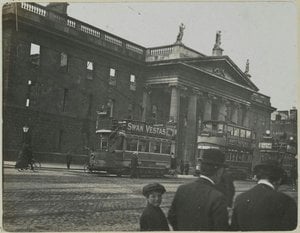
Eclipse, 1911
复刻品尺寸说明
In the quiet, silvered depths of Eugène Atget’s “Eclipse, 1911,” we encounter more than just a photograph; we step into a spectral window looking back upon a Paris that no longer exists. Though this specific print was brought to light in 1956 from an original glass negative captured decades earlier, the soul of the image remains anchored in the twilight of the Belle Époque. The scene captures a profound moment of stillness, where a group of figures stands gathered before the monumental presence of what is believed to be Notre Dame Cathedral. There is an inherent tension in the composition—a delicate balance between the enduring weight of stone architecture and the fleeting, ephemeral nature of the human beings passing through its shadow. For the discerning collector, this piece offers a rare opportunity to possess a fragment of history, a visual poem about the inevitable passage of time.
The technical mastery behind Atget’s work lends the image an almost tactile quality that is deeply captivating for those who appreciate fine art photography. Utilizing the wet collodion process, Atget achieved a level of clarity and tonal richness that modern digital captures often struggle to replicate. This laborious method required meticulous hand-processing, resulting in a gelatin silver print characterized by exquisite sharpness and subtle gradations of light and shadow. The way the light falls across the faces of the onlookers—rendered in muted, atmospheric tones—creates an unsettling yet beautiful stillness. This approach aligns with the Pictorialism movement, where the photographer’s goal was not merely to document reality, but to elevate the medium to a fine art through texture, mood, and emotional depth.
Beyond its striking visual composition, “Eclipse” serves as a profound symbolic meditation on change. The monumental structure, standing resolute against the sky, represents the pillars of faith, tradition, and the historical identity of France. Yet, the title itself suggests an obscuring—a moment where light is blocked, much like how the rapid industrialization and urbanization of the early 20th century threatened to eclipse the charming, ancient streets of "Old Paris." The figures in the frame, appearing as small, vulnerable witnesses to the grandeur above them, embody a sense of collective awe mingled with a quiet melancholy. They are tourists in their own history, gazing upward at a landmark that is simultaneously permanent and subject to the erosions of time.
For interior designers and art enthusiasts looking to curate a space of reflection and sophistication, this reproduction provides an unparalleled emotional anchor. The monochromatic palette and the somber, evocative atmosphere make it a versatile masterpiece for high-end residential or gallery settings. It does not merely decorate a wall; it invites conversation, prompting viewers to contemplate their own place within the grand continuum of history. To display “Eclipse” is to celebrate the beauty found in decay and the enduring power of memory, making it an essential acquisition for anyone moved by the intersection of documentary truth and poetic artistry.
“Eclipse, 1911” 传达出一种 Reflective 的情感。这种情感基调描述了作品给人的印象。
"Eclipse, 1911" 拥有专属的 统计数据 页面。该页面通过国家和语言维度的细分,展示了该作品及艺术家其他作品的每月访问量趋势图。
欧仁·阿特 的《Eclipse, 1911》 的色彩构成将 Statement 的对比与 Strong Color Unity 的和谐融为一体。


1857 - 1927 , 法国

Explore the profound evolution of documentary photography through a cultural lens. From early social realism to modern visual narratives, discover how photographers have captured history, labor, and the human condition to redefine fine art.

Explore the profound evolution of contemporary photography through a connoisseur's lens. From monochrome mastery to digital innovation, discover how modern photographic works shape fine art collections and define our cultural legacy.

Explore the profound emotional depth of documentary photography art. Discover how collectors curate powerful historical narratives through museum-quality black and white prints and fine art reproductions that preserve humanity's most resilient moments.

Explore the profound artistry of black and white photography. From historical mastery to the interplay of light and shadow, discover how monochrome captures timeless emotion and form through a sophisticated lens of art history.

Elevate your most cherished memories with WahooArt’s bespoke service. We transform your personal photos into breathtaking, hand-painted black & white oil masterpieces. Experience museum-quality craftsmanship and timeless elegance for your private collection. Discover the art of legacy.


 发送
发送 分享
分享
 详情
详情 指南
指南

 下载图片
下载图片
 相似作品
相似作品 幻灯片播放
幻灯片播放 统计数据
统计数据


 阅读全文
阅读全文






































 玻璃选项仅适用于110厘米以下的尺寸。