效果预览 AR 预览 切换至版画销售渠道 购买手绘画作 分享
详情 加入收藏 下载 相似作品 X射线 幻灯片播放 统计数据

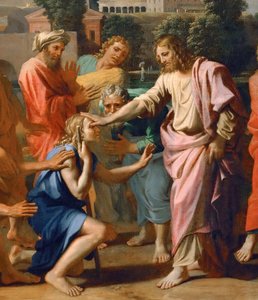
JESUS ET LES DISCIPLES D'EMMAUS

Explore Dirck Barendsz's stunning depiction of 'Jesus and the Disciples of Emmaus,' inspired by Northern Renaissance art, showcasing meticulous detail and muted colors reflecting a contemplative mood.

Dirck Barendsz (1534-1592) was a Dutch Renaissance painter influenced by Titian. Known for portraits, religious scenes & lively group depictions of Amsterdam civic guards. Introduced Venetian style to the Netherlands.

购买高分辨率增强版数字图像,其品质远超在线预览。

每一份文件都由我们的内部专家使用先进工具与专业的后期润色技术精心打造。我们确保每一张图像都具备卓越的清晰度、精准的色彩还原度以及细腻的细节表现。

最终文件将在 72 小时内通过电子邮件交付,并针对专业、编辑及印刷用途进行了优化。其品质与顶级设计工作室、出版社和画廊所信赖的标准完全一致。

数字图像

下载高分辨率文件,用于个人展示、打印及创意项目。 ( 切换至版画销售渠道 购买手绘画作)

最终价格

$ 24.90

每份数字图像订单均包含

专业数字图像交付,品质保障

选择 WahooArt.com,您获得的不仅仅是一张图像——您收到的是经过专业级增强、精雕细琢的数字艺术作品,并享有满意保证。以下是您的订单中自动包含的所有内容:

shipping_icon
邮件快速送达

您的高分辨率数字图像文件将在下单后 72 小时内通过电子邮件发送给您 —— 即可立即使用。

canvas_icon
AI 增强型数字文件

您的艺术品经过专业优化,结合先进的 AI 技术与人工修饰,确保呈现极致的细节、清晰度与色彩准确度。

insurance_icon
终身免费重发服务

不小心删除了文件或找不到了?没关系——我们将随时为您免费重发。

tax_icon
无需进口费用,始终如一

即刻拥有您的艺术作品,无需支付任何关税、税费或运费——数字下载始终免税。

color_icon
色彩精准保证

我们通过专业工具与色彩管理技术,确保您的数字图像尽可能真实地还原原作色彩。

return_icon
100天满意保证

如果您对所购数字图像不满意,我们将在100天内为您进行修改或提供100%的全额退款——无需任何理由。

guarantee_icon
100% 退款保证

不满意?在收到数字文件后的100天内,您可以申请全额退款——无需任何理由。

discount_icon
批量订单优惠

购买 3 张图片可享 10% 折扣 - 购买 5 张可享 15% 折扣 - 购买 10+ 张可享 20% 折扣。非常适合创意项目、画廊和机构使用。

作品概览

  • Subject or theme: Religion
  • Influences: Titian
  • Title: Jésus et les disciples d'Emmaus
  • Year: 1534–1592
  • Medium: Peinture
  • Location: Musée du Louvre
  • Movement: Renaissance

A Divine Encounter in Ink and Shadow

In the quiet, contemplative corridors of the Musée du Louvre, there exists a moment frozen in time, captured through the delicate mastery of Dirck Barendsz. “Jesus et les disciples d'Emmaus” is not merely a depiction of a biblical event; it is a profound meditation on recognition and spiritual awakening. The scene brings to life the poignant narrative of Christ’s appearance to two disciples on their journey from Jerusalem, a moment where the veil between the earthly and the divine begins to thin. Through Barendsz's expert hand, we are invited into a world where every stroke of pen and wash of pigment serves to heighten the tension of that transformative realization.

The artwork breathes with the spirit of the Northern Renaissance, a period defined by an unwavering commitment to meticulous detail and a deep-seated humanism. While Barendsz was a Dutch master from Amsterdam, his soul clearly resonated with the dramatic innovations of the Italian masters he encountered during his travels. One can sense the burgeoning influence of chiaroscuro—the dramatic interplay of light and shadow—which lends a sculptural weight to the figures and an atmospheric depth to the landscape. This technique does more than define form; it directs the viewer's emotional journey, pulling our gaze from the textured foreground toward the sacred gathering at the table.

The Artistry of Detail and Depth

Technically, the piece is a triumph of graphic precision. Executed with pen and ink supplemented by subtle washes of brown or gray, the work achieves a remarkable sense of tactile realism. The artist employs intricate hatching and cross-hasting to simulate the heavy folds of fabric, the ruggedness of stone, and the weathered skin of the travelers. This careful attention to texture ensures that the scene feels tangible, as if one could reach out and touch the coarse grain of the prominent rock formation that anchors the left side of the composition.

The composition is masterfully orchestrated to evoke a sense of upward movement and reverence. A vertical orientation guides the eye through a landscape that utilizes both linear and atmospheric perspective to create an immersive sense of space. As the figures move toward the background, they seem to recede into a soft, hazy distance, creating a window into another era. The muted, earthy palette—dominated by tans, browns, and grays—strips away the distraction of vibrant color, forcing the observer to focus instead on the raw emotion and the subtle shifts in light that illuminate the faces of those caught in the throes of revelation.

A Timeless Presence for the Discerning Collector

For the art lover or the interior designer, a reproduction of this caliber offers more than just aesthetic beauty; it provides a focal point of profound intellectual and spiritual depth. The artwork’s ability to command a room lies in its somber, contemplative mood, making it an ideal centerpiece for spaces designed for reflection, such as private libraries, study halls, or sophisticated living areas. It carries with it the weight of history and the elegance of the Renaissance, bridging the gap between classical tradition and modern decor.

To possess a piece inspired by Barendsz is to invite a narrative of hope and discovery into one's environment. The subtle symbolism—the gesture of recognition, the light breaking through the gloom, and the grounded reality of the landscape—serves as a constant reminder of the beauty found in moments of clarity. Whether displayed as part of a curated gallery wall or as a standalone statement piece, this work continues to resonate with anyone who finds inspiration in the intersection of masterful technique and eternal human emotion.


艺术家简介

Antonio Allegri da Correggio: A Pioneer of Illusion and Emotion

Antonio Allegri da Correggio, born in the small town of Correggio in Emilia-Romagna around 1489 and tragically dying there in 1534, remains one of the most enigmatic and profoundly influential figures of the Italian Renaissance. Often simply known as “Correggio,” his name evokes a sense of both mystery and breathtaking artistic achievement. While much about his early life remains shrouded in speculation – he wasn’t a self-taught artist, but rather benefited from an uncle's painting skills and likely received foundational training in Mantua under the tutelage of the great Andrea Mantegna – Correggio quickly transcended his origins to become a revolutionary force in the visual arts. His legacy isn’t defined by meticulously rendered portraits or grand historical narratives; instead, it lies in his audacious manipulation of space, light, and color, creating an intensely emotional and immersive experience for the viewer. He was a master of illusionism, pushing the boundaries of what was considered possible within the confines of fresco painting and laying crucial groundwork for the Baroque era to come.

Early Influences and Artistic Development

Correggio’s artistic journey began in his hometown, where he honed his skills under his uncle Lorenzo Allegri. However, it's widely believed that a formative period occurred in Mantua around 1506, where he encountered the profound influence of Andrea Mantegna. The meticulous detail, classical references, and dramatic use of perspective evident in Correggio’s early works – such as the *Adoration of the Child with St. Elizabeth and John* (c. 1505-1508) – clearly demonstrate this debt to his mentor. Following Mantua, he spent time in Modena, absorbing the stylistic elements of Lorenzo Costa and Francesco Francia, artists known for their rich colors and dramatic lighting. This diverse exposure created a unique synthesis within Correggio’s artistic vocabulary. He wasn't simply imitating these masters; he was actively integrating their techniques into his own distinctive style, adding an unprecedented dynamism and sensuality. Crucially, around 1514-1515, he began working on the *Virgin of St Francis* for the church of S. Francesco in Correggio – a painting that showcased his burgeoning understanding of optics and perspective, foreshadowing the revolutionary techniques he would later employ.

The Frescoes of Parma: A Revolutionary Approach

Correggio’s most significant achievements unfolded during his decade-long residency in Parma (1520-1534). Here, he was commissioned to decorate three monumental fresco cycles within the city's cathedral and other important buildings – the Camera di San Paolo, the dome of San Giovanni Evangelista, and the dome of the Cathedral itself. These works represent a radical departure from traditional Renaissance painting and established Correggio as a true innovator. The *Vision of St John the Evangelist on Patmos* (1520-1524) in the Camera di San Paolo is particularly noteworthy for its innovative use of grisaille – monochromatic figures painted against a light-colored background – to create an illusion of sculpted relief, mimicking the architectural forms of the lunettes. The dome of San Giovanni Evangelista further explored this concept, depicting heroic figures within a dynamic, almost theatrical space. However, it was the fresco on the dome of Parma Cathedral that cemented Correggio’s reputation as a visionary artist. The *Assumption of the Virgin* (1526-1530) is arguably his masterpiece – an audacious feat of illusionism where the dome transforms into a gateway to heaven, with figures seemingly ascending through a vortex of light and color. Correggio employed techniques like foreshortening—extending lines dramatically into space—to create a sense of overwhelming depth and movement, drawing the viewer directly into the scene. This daring manipulation of perspective was unprecedented in Western art and profoundly influenced generations of artists to come.

Mythological Visions and Lasting Influence

Beyond his architectural frescoes, Correggio also produced a series of smaller, intensely emotional paintings – altarpieces, devotional panels, and mythological scenes. Works like *Jupiter and Io* (c. 1528) and *Venus and Cupid with a Satyr* (c. 1523-1525) exemplify his masterful use of color, composition, and psychological insight. These paintings are characterized by their sensuality, dynamism, and dramatic lighting—qualities that would become hallmarks of the Baroque style. His influence extended far beyond his own lifetime. Artists like Giovanni Battista Crespi, Paolo Veronese, and even Michelangelo himself were deeply indebted to Correggio’s innovations in perspective, color theory, and emotional expression. Correggio's pioneering use of foreshortening, dynamic composition, and illusionistic space paved the way for the dramatic intensity and theatricality that would define the Baroque era. His legacy is not simply one of technical mastery but also of a profound shift in the way artists approached representation—a move towards creating immersive experiences that engaged the viewer’s emotions and imagination.

A Legacy of Illusion and Emotion

Despite his untimely death at the age of 44, Antonio Allegri da Correggio left an indelible mark on the history of art. His innovative techniques and emotionally charged compositions continue to captivate viewers centuries later. The *Assumption of the Virgin* in Parma remains a testament to his genius—a breathtaking spectacle of illusionism that challenges our perception of space and time. Correggio’s work serves as a powerful reminder of the transformative potential of artistic vision, demonstrating how a single artist can reshape the course of art history through daring experimentation and profound emotional expression.
dirck barendsz

dirck barendsz

1534 - 1592

基本信息

  • Artistic Movement Or Style: High Renaissance, Mannerism
  • Artists Or Movements Influenced By This Artist:
    • Baroque
    • Rococo
  • Artists Who Influenced This Artist:
    • Mantegna
    • Leonardo da Vinci
    • Costa
    • Francia
  • Date Of Birth: August 1489
  • Date Of Death: March 5, 1534
  • Full Name: Antonio Allegri da Correggio
  • Nationality: Italian
  • Notable Artworks:
    • Assumption of the Virgin
    • Jupiter and Io
    • School of Love
  • Place Of Birth: Correggio, Italy