
免费艺术咨询

x
购买版画 购买版画定制手绘复刻品 定制手绘复刻品 分享分享
详情详情 加入收藏 加入收藏 下载下载 相似作品相似作品 X射线检测X射线检测 幻灯片播放幻灯片播放

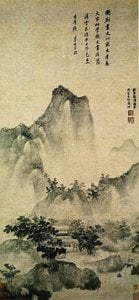
Returning Late from a Spring Outing

Discover "Returning Late from a Spring Outing" by Dai Jin (1644). A serene Ming Dynasty landscape painting in ink & color, showcasing Zhe School style & tranquil beauty. #ChineseArt #LandscapePainting

Discover Dai Jin: A master of Chinese landscape painting from the Ming Dynasty. Explore his innovative Zhe School style & iconic works like 'Seven Worthies'. #DaiJin #ChineseArt

购买高分辨率增强版数字图像,其品质远超在线预览。

每一份文件都由我们的内部专家使用先进工具与专业的后期润色技术精心打造。我们确保每一张图像都具备卓越的清晰度、精准的色彩还原度以及细腻的细节表现。

最终文件将在 72 小时内通过电子邮件交付,并针对专业、编辑及印刷用途进行了优化。其品质与顶级设计工作室、出版社和画廊所信赖的标准完全一致。

数字图像

下载高分辨率文件,用于个人展示、打印及创意项目。

最终价格

$9.99

每份数字图像订单均包含

专业数字图像交付,品质保障

选择 WahooArt.com,您获得的不仅仅是一张图像——您收到的是经过专业级增强、精雕细琢的数字艺术作品,并享有满意保证。以下是您的订单中自动包含的所有内容:

shipping_icon
邮件快速送达

您的高分辨率数字图像文件将在下单后 72 小时内通过电子邮件发送给您 —— 即可立即使用。

canvas_icon
AI 增强型数字文件

您的艺术品经过专业优化,结合先进的 AI 技术与人工修饰,确保呈现极致的细节、清晰度与色彩准确度。

insurance_icon
终身免费重发服务

不小心删除了文件或找不到了?没关系——我们将随时为您免费重发。

tax_icon
无需进口费用,始终如一

即刻拥有您的艺术作品,无需支付任何关税、税费或运费——数字下载始终免税。

color_icon
色彩精准保证

我们通过专业工具与色彩管理技术,确保您的数字图像尽可能真实地还原原作色彩。

return_icon
60天满意保证

如果您对所购买的数字图像不满意,我们将在60天内为您进行修改或退还100%的款项——无需任何解释。

guarantee_icon
100% 退款保证

如果不满意?在收到数字文件后的60天内,我们为您提供全额退款——无需任何理由。

discount_icon
批量订单优惠

购买 3 张图片可享 10% 折扣 - 购买 5 张可享 15% 折扣 - 购买 10+ 张可享 20% 折扣。非常适合创意项目、画廊和机构使用。

作品概览

  • Notable elements: Atmospheric perspective, Calligraphic brushwork
  • Artistic style: Shanshui (Literati)
  • Artist: Dai Jin
  • Title: Returning Late from a Spring Outing
  • Medium: Ink & Color on Silk
  • Dimensions: 167 x 83 cm
  • Subject or theme: Landscape, Nature

藏品详情

A Moment of Serene Reflection: Returning Late from a Spring Outing by Dai Jin

Dai Jin’s “Returning Late from a Spring Outing,” painted in 1644, offers a profound glimpse into the heart of Chinese literati aesthetics – a world where landscape painting transcended mere representation to become a vehicle for spiritual contemplation. This exquisite silk hand-painting, measuring 167 x 83 cm, captures a quintessential Shanshui scene, a hallmark of the Song Dynasty’s influence on Chinese art, and embodies the spirit of the Ma-Xia style, also known as the Zhe School, which flourished during Dai Jin's lifetime. The artwork isn't simply a depiction of mountains and water; it is an invitation to experience tranquility, harmony, and a deep connection with the natural world – core tenets of Confucian philosophy.

Masterful Technique: The Language of Ink and Color

  • Brushwork and Composition: Dai Jin’s loose, expressive brushstrokes are central to the painting's power. They create a dynamic sense of atmospheric perspective, drawing the viewer into the scene with a fluidity that mimics the movement of water and wind. The vertical format emphasizes height and depth, reinforcing the grandeur of the mountainous landscape.
  • Ink Wash Technique (Sumi): The painting’s foundation lies in the meticulous layering of ink washes – *sumi*. This technique, perfected over centuries, allows for a subtle manipulation of tonal values, building up volume and creating an illusion of three-dimensionality. Notice how the artist uses varying densities of ink to define the contours of rocks, trees, and distant peaks.
  • Color Palette: The muted color palette – browns, grays, ochre, with delicate washes of blue and green – contributes significantly to the painting’s contemplative mood. These colors evoke the subtle shifts in light and shadow found within a natural landscape, enhancing the sense of realism while maintaining an ethereal quality.

Symbolism and Context: A Window into Ming Dynasty Thought

Painted in 1644, during Dai Jin’s career, this artwork reflects the artistic currents of the early Ming dynasty. Dai Jin was a pivotal figure in reviving the Ma-Xia style, which prioritized capturing the essence of nature over strict adherence to traditional representation. The pavilions depicted within the scene symbolize human dwellings nestled within the vastness of the landscape – a reminder of humanity’s place within the natural order. The mountains themselves represent strength, permanence, and spiritual aspiration, echoing Confucian ideals of virtue and longevity. Dai Jin's work was often influenced by political considerations, as evidenced by his early career attempts to gain favor with the emperor, though he ultimately developed a distinctive style that prioritized artistic integrity.

Emotional Resonance: A Legacy of Tranquility

“Returning Late from a Spring Outing” possesses an enduring emotional resonance. The diffused lighting and serene composition evoke a sense of quiet contemplation, inviting the viewer to escape the pressures of daily life and find solace in the beauty of nature. This painting is more than just a visual representation; it’s a portal to a timeless landscape, reflecting the profound connection between humanity and the natural world – a connection that continues to inspire awe and wonder centuries later. This hand-painted reproduction captures not only Dai Jin's artistic skill but also the very spirit of this iconic work.

艺术家简介

early life and career

dai jin, a renowned chinese artist, was born in 1388 and passed away in 1462. he was a leading figure in the early ming revival of the ma-xia style, also known as the zhe school, which emerged from the landscape painting traditions of the southern song. as a young man, dai jin traveled to the capital, nanjing, with his father, who worked in an official capacity. although he failed to establish himself in the capital, he returned to qiantang and resumed his study of painting, likely under the guidance of a local zhejiang artisan.

rise to prominence

dai jin's reputation grew significantly around 1425, when he was recommended to the xuande emperor. he traveled to beijing in hopes of securing an academy appointment. however, his plans were thwarted by established painters, particularly xie huan, who claimed to detect anti-government bias in dai's works. one notable example is dai jin's painting, seven worthies passing the barrier (c. 1425-35), which was based on an old tale recounting the flight of seven men from a tumultuous state. this work, along with another piece depicting a fisherman in a red coat, led to dai jin's downfall.

notable works and legacy

* dai jin's landscapes, showcasing the four seasons, were initially well-received by the xuande emperor. * seven worthies passing the barrier (c. 1425-35), a painting that led to dai jin's persecution.

conclusion

despite facing challenges and persecution, dai jin's contributions to the zhe school and chinese landscape painting remain significant. his works continue to be celebrated for their unique style and innovative techniques. important: to learn more about dai jin and his artworks, visit dai jin's page on WahooArt.com.
Dai Jin

Dai Jin

1388 - 1462 , China

基本信息

  • Artistic Movement Or Style: Ink bamboo painting
  • Artists Who Influenced This Artist: ['Wang Fu']
  • Date Of Death: 1462
  • Full Name: Dai Jin
  • Nationality: Chinese
  • Notable Artworks: ['Bamboo paintings']
  • Place Of Birth: China