
由我们的艺术家按需定制,为您提供您所选尺寸及画框的布面手工油画。 ( 切换至版画销售渠道 切换至数字图像销售渠道)





























您可以从与原作比例一致的预设尺寸中进行选择。

请输入您需要的宽度和高度,以适配您的画框或墙面。由于作品为手工绘制,若您选择不同的尺寸比例,艺术家可能会在画面边缘多画一些或稍作裁剪 —— 由您决定。在开始绘画之前,我们会为您发送一份数字效果图供您确认。本页面上展示的图片并非最终实物 —— 只有效果图才能反映真实结果。
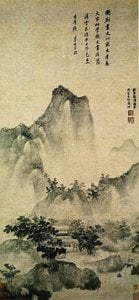
Returning Late from a Spring Outing
复刻品尺寸说明
Dai Jin’s “Returning Late from a Spring Outing,” painted in 1644, offers a profound glimpse into the heart of Chinese literati aesthetics – a world where landscape painting transcended mere representation to become a vehicle for spiritual contemplation. This exquisite silk hand-painting, measuring 167 x 83 cm, captures a quintessential Shanshui scene, a hallmark of the Song Dynasty’s influence on Chinese art, and embodies the spirit of the Ma-Xia style, also known as the Zhe School, which flourished during Dai Jin's lifetime. The artwork isn't simply a depiction of mountains and water; it is an invitation to experience tranquility, harmony, and a deep connection with the natural world – core tenets of Confucian philosophy.
Painted in 1644, during Dai Jin’s career, this artwork reflects the artistic currents of the early Ming dynasty. Dai Jin was a pivotal figure in reviving the Ma-Xia style, which prioritized capturing the essence of nature over strict adherence to traditional representation. The pavilions depicted within the scene symbolize human dwellings nestled within the vastness of the landscape – a reminder of humanity’s place within the natural order. The mountains themselves represent strength, permanence, and spiritual aspiration, echoing Confucian ideals of virtue and longevity. Dai Jin's work was often influenced by political considerations, as evidenced by his early career attempts to gain favor with the emperor, though he ultimately developed a distinctive style that prioritized artistic integrity.
“Returning Late from a Spring Outing” possesses an enduring emotional resonance. The diffused lighting and serene composition evoke a sense of quiet contemplation, inviting the viewer to escape the pressures of daily life and find solace in the beauty of nature. This painting is more than just a visual representation; it’s a portal to a timeless landscape, reflecting the profound connection between humanity and the natural world – a connection that continues to inspire awe and wonder centuries later. This hand-painted reproduction captures not only Dai Jin's artistic skill but also the very spirit of this iconic work.
Dai Jin 的《Returning Late from a Spring Outing》 记录的亮度为 Soft Shadow。
若想获取 Dai Jin 的《Returning Late from a Spring Outing》 的数字版文件,请前往其 数字图像 页面进行 高分辨率数字图像下载。
Dai Jin 的《Returning Late from a Spring Outing》 的 Tall 格式推荐用于 Living Room。画幅与空间的结合,将为您提供复制品摆放的指引。

1388 - 1462 , China
Embark on a sophisticated exploration of ink wash painting and Sumi-e. Uncover the profound historical lineages, Zen philosophies, and technical mastery behind this timeless medium in our authoritative guide for fine art enthusiasts.

Embark on a profound journey through the soul of Chinese calligraphy. Explore the historical mastery of ink, brush, and script, from ancient Zhuanshu to elegant running script, and discover how this timeless art form reflects the enduring spirit of classical East Asian aesthetics.

Embark on a visual journey through history's most iconic landscapes. Discover the mastery of Impressionism and the sublime power of nature through our expert guide to classical landscape art, curated for the discerning collector and fine art enthusiast.


 实景预览
实景预览
 发送
发送 分享
分享
 详情
详情 指南
指南

 下载图片
下载图片
 相似作品
相似作品 X射线
X射线 幻灯片播放
幻灯片播放 统计数据
统计数据


 阅读全文
阅读全文









 玻璃选项仅适用于110厘米以下的尺寸。


