ÜCRETSİZ SANAT DANIŞMANLIĞI

x
Baskıyı satın al Baskıyı satın alTabloyu Sipariş Et Tabloyu Sipariş Et PaylaşPaylaş
DetaylarDetaylar Favorilere ekle Favorilere ekle İndirİndir Benzerlerini görBenzerlerini gör X-IşınıX-Işını Slayt GösterisiSlayt Gösterisi

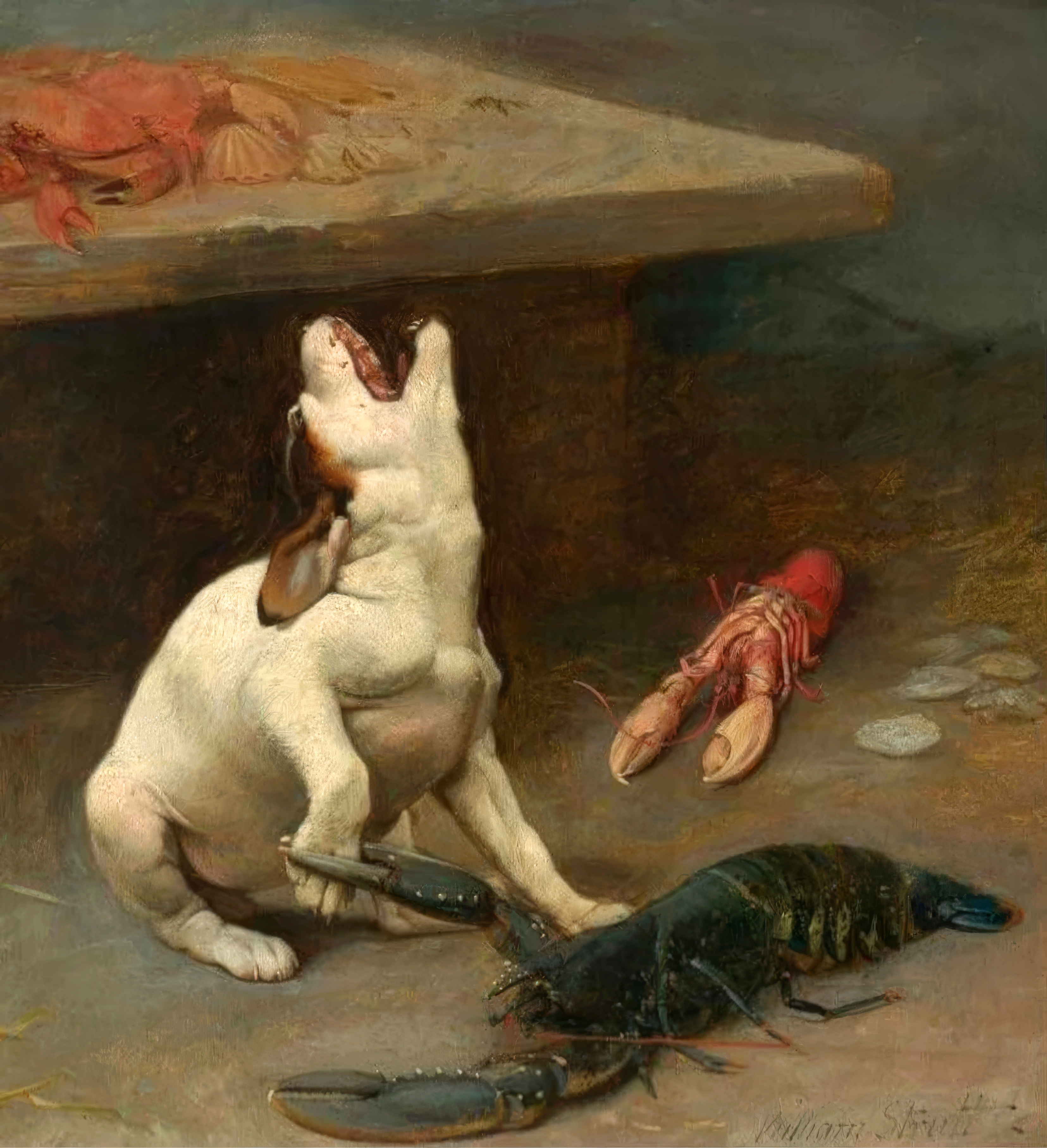
A warm response

A dynamic scene featuring a dog amidst birds and a crab captures the raw energy of William Strutt's masterful painting, inviting you to explore this captivating piece for your private collection.

William Strutt (1825-1915): Explore the works of this English artist famed for his vivid depictions of colonial Australia & New Zealand, including the iconic 'Black Thursday'.

Çevrimiçi önizlemeden çok daha üstün, yüksek çözünürlüklü ve iyileştirilmiş bir dijital görüntü satın alın.

Her dosya, uzman ekibimiz tarafından gelişmiş araçlar ve titiz manuel rötuş teknikleri kullanılarak özenle hazırlanır. Her görüntünün olağanüstü netliğe, kusursuz renk doğruluğuna ve ince ayrıntılara sahip olduğundan emin oluruz.

Son dosya; profesyonel, editoryal ve baskı süreçlerinde anında kullanıma uygun şekilde optimize edilerek 72 saat içinde e-posta yoluyla teslim edilir. Bu, seçkin tasarım stüdyoları, yayıncılar ve galerilerin güvendiği aynı kalite standartlarındadır.

Dijital Görsel

Kişisel sergileme, baskı ve yaratıcı projeleriniz için yüksek çözünürlüklü bir dosya indirin.

Toplam Tutar

$9.99

Her Dijital Görüntü Siparişinde Dahil Olanlar

Uzman Dijital Teslimat, Garantili

WahooArt.com seçtiğinizde, sadece bir görsel edinmekle kalmaz; titizlikle hazırlanmış, profesyonelce iyileştirilmiş dijital bir sanat eserine sahip olur ve memnuniyet garantisiyle güvence altına alınırsınız. Siparişinizle birlikte otomatik olarak sunulan her şey şunlardır:

shipping_icon
Hızlı E-posta ile Teslimat

Yüksek çözünürlüklü dijital görüntü dosyanız, siparişinizin üzerinden en geç 72 saat geçmeden e-posta ile size gönderilecektir; hemen kullanıma hazırdır.

canvas_icon
Yapay Zeka İle İyileştirilmiş Dijital Dosya

Sanat eseriniz; maksimum detay, netlik ve renk doğruluğu sağlamak amacıyla gelişmiş yapay zeka araçları ve manuel düzenleme kullanılarak profesyonelce optimize edilmektedir.

insurance_icon
Ömür Boyu Ücretsiz Yeniden Gönderim

Dosyanızı yanlışlıkla mı sildiniz yoksa kayıp mı oldu? Endişelenmeyin; dosyanızı dilediğiniz zaman size ücretsiz olarak tekrar göndereceğiz.

tax_icon
Hiçbir Zaman İthalat Ücreti Ödemeyin

Sanat eserinizin tadını gümrük vergisi, harç veya teslimat ücreti ödemeden anında çıkarın; dijital indirmeler her zaman vergiden muaftır.

color_icon
Renk Doğruluğu Garantisi

Profesyonel araçlar ve renk yönetimi kullanarak dijital görselinizin orijinal renklere mümkün olduğunca yakın yansıtılmasını sağlıyoruz.

return_icon
60 Günlük Memnuniyet Garantisi

If you're not satisfied with your digital image, we'll revise it or refund 100% within 60 days - no questions asked.

guarantee_icon
100% Para İadesi Garantisi

Memnun kalmadınız mı? Dijital dosyanızı aldıktan sonraki 60 gün içinde, hiçbir soru sorulmaksızın tam iade alın.

discount_icon
Toplu Sipariş İndirimleri

Buy 3 images, save 10% - Buy 5, save 15% - Buy 10+, save 20%. Great for creative projects, galleries, and agencies.


Sanatçı Özgeçmişi

A Colonial Canvas: The Life and Art of William Strutt

William Strutt, born in the coastal town of Teignmouth, England, in 1825, was an artist whose life became a compelling bridge between European artistic traditions and the raw realities of colonial Australia and New Zealand. Descended from a family with established artistic roots—his grandfather, Joseph Strutt, being a noted author and engraver, and his father, William Thomas Strutt, a skilled miniature painter—the young William received early training in Paris at the prestigious École des Beaux-Arts. There, under the guidance of Michel Martin Drölling, he immersed himself in figurative and history painting, absorbing influences that would subtly shape his later work, particularly a reverence for classical composition reminiscent of Raphael. However, Strutt’s artistic journey was not one of seamless progression within established circles; it was marked by personal hardship and an eventual embrace of the untamed landscapes and unfolding dramas of the Southern Hemisphere. A period of difficulty in England prompted a pivotal decision: emigration to Australia in 1850, arriving aboard the *Culloden* and quickly establishing a new life with marriage.

From Parisian Studios to Australian Frontiers

The transition from the refined studios of Paris to the burgeoning colony of Melbourne proved challenging for Strutt. Initially seeking work as an illustrator for the short-lived *Illustrated Australian Magazine*, he soon discovered a limited market for the grand historical paintings in which he was trained. This necessity spurred adaptation, leading him to accept commissions for postage stamp designs and political cartoons—practical endeavors that nonetheless honed his observational skills and draughtsmanship. Yet, it was the devastating Black Thursday bushfires of February 6th, 1851, that truly ignited Strutt’s artistic purpose in this new land. Witnessing firsthand the terrifying spectacle of nature unleashed, he meticulously sketched the scenes of chaos and flight—animals and humans alike desperately fleeing the flames. These sketches would form the foundation for his masterpiece, *Black Thursday, 6 February 1851* (1864), a powerful and emotionally resonant depiction that stands as one of the most significant visual records of this catastrophic event in Australian history. His eighteen months spent on the goldfields near Ballarat yielded limited financial success but provided invaluable insight into the lives of those driven by fortune’s allure. Strutt became an active participant in Melbourne's cultural life, a founding member of the Victorian Society of Fine Arts, and a sought-after portraitist, gradually establishing himself within the colonial art scene.

Documenting a Nation: New Zealand and the Burke & Wills Expedition

Strutt’s artistic focus increasingly turned towards documenting pivotal moments in colonial history. He keenly observed the preparations for and early stages of the ill-fated Burke and Wills expedition, creating numerous sketches that captured the ambition and logistical complexities of this ambitious undertaking. Following their journey and gathering accounts from survivors like John King further informed his work, imbuing it with a sense of tragic realism. A sojourn to New Zealand between 1855 and 1856 brought another chapter to his colonial chronicle. Residing in New Plymouth, he documented the First Taranaki War, capturing the tensions and conflicts that marked this period of colonization. His painting *View of Mt Egmont, Taranaki, New Zealand, taken from New Plymouth, with Maoris driving off settlers' cattle* (1859) offers a compelling glimpse into the complex relationship between Māori and European settlers, showcasing both the landscape’s beauty and the underlying conflict.

Return to England and Lasting Legacy

Driven by religious concerns about raising his children in what he perceived as a morally challenging environment, Strutt returned to England with his family in 1862. There, he transformed his Australian and New Zealand sketches into substantial oil paintings, including *Bushrangers, Victoria, Australia, 1852*, *Robert O’Hara Burke* (1861), and the aforementioned *Black Thursday*. These works weren't merely recreations of scenes; they were imbued with a narrative depth and emotional intensity that set them apart. While his work didn’t achieve widespread recognition during his lifetime, Strutt’s contribution to Australian and New Zealand art history has been increasingly appreciated in recent decades. His paintings offer invaluable visual documentation of colonial life, capturing not only the grand events but also the everyday struggles and complexities of a society in formation. Black Thursday, in particular, remains a powerful testament to the destructive forces of nature and a poignant reminder of the human cost of environmental change. William Strutt died in 1915, leaving behind a body of work that continues to resonate with its historical significance, artistic merit, and enduring emotional power—a colonial artist who truly captured the spirit of his time.

Major Works

  • Black Thursday, 6 February 1851 (1864): A powerful depiction of the devastating bushfires in Victoria.
  • Bushrangers, Victoria, Australia, 1852: Captures a scene from the Australian gold rush era.
  • Robert O’Hara Burke (1861): A portrait of the leader of the ill-fated Burke and Wills expedition.
  • View of Mt Egmont, Taranaki, New Zealand, taken from New Plymouth, with Maoris driving off settlers' cattle (1859): Illustrates a moment during the First Taranaki War.
  • Jerusalem Pilgrims (1872): Demonstrates Strutt’s versatility and interest in religious subjects.
William Strutt

William Strutt

1825 - 1915