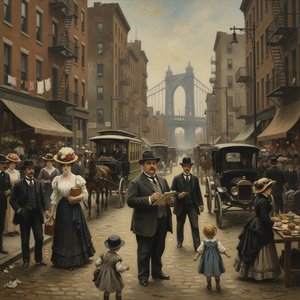
William James Glackens: Amerikan Gerçekçiliğinin Öncüsü
William James Glackens, 1870 yılında Philadelphia, Pensilvanya’da doğmuş ve Amerikan sanat tarihinde unutulmaz bir iz bırakmış etkileyici bir gerçekçi ressamdır. Günlük yaşamın özünü yakalama tutkusundan ödün vermeyen sanatsal yolculuğu, onu dönemin en önemli figürlerinden biri haline getirmiştir. Glackens'in erken yılları, doğal bir sanat eğilimiyle damgalanmış ve bu durum onu Pennsylvania Güzel Sanatlar Akademisi’ne yönlendirmiştir. Burada, ünlü gerçekçi Thomas Anshutz’un rehberliğinde becerilerini geliştirmiş ve sonunda Ashcan Okulu’nun kurucularından biri olmuştur. Bu hareket, geleneksel sanatsal güzellik anlayışını reddetmiş ve bunun yerine metropol yaşamının acımasız gerçeklerine odaklanmıştır.
Erken Yaşamı ve Etkileri
Glackens’in gençliği, doğuştan gelen bir sanat merakıyla şekillenmiştir. Bu merak onu Pennsylvania Güzel Sanatlar Akademisi'ne götürmüştür. Thomas Anshutz gibi tanınmış bir gerçekçinin gözetiminde yeteneklerini geliştirmiş ve sonunda Ashcan Okulu'nun kurucularından biri olmuştur. Bu okul, geleneksel sanatsal güzellik normlarını reddederek büyük şehir yaşamının ham gerçekliğini yansıtmayı amaçlamıştır. Glackens’in ilk dönem eserleri, Philadelphia sokaklarının canlı tasvirlerini ve dönemin işçi sınıfının günlük hayatını konu almıştır. Anshutz'un etkisiyle figüratif çalışmalarda ustalaşmış, kompozisyonlarında detaylara ve gerçekçiliğe büyük önem vermiştir. Aynı zamanda Robert Henri gibi diğer Ashcan Okulu sanatçılarıyla yakın ilişkiler kurmuş ve onların da sanatsal gelişimine katkıda bulunmuştur.
Sanatsal Kariyeri ve Gelişimi
Glackens’in eserleri, I. Dünya Savaşı öncesi New York ve Paris'teki günlük yaşamın canlı sokak sahneleri ve tasvirleriyle karakterizedir. Resimlerinde genellikle karanlık tonlar ve parlak renkler kullanmış, şehir hayatının dinamizmini ve karmaşıklığını yansıtmıştır. Daha sonraki eserleri ise Renoir’dan etkilenerek daha aydınlık bir tona sahip olmuş, sanatçı olarak büyümesini göstermiştir. Glackens aynı zamanda Philadelphia ve New York'taki gazeteler ve dergiler için illüstratör olarak da çalışmıştır. Bu deneyim, gözlem yeteneğini geliştirmiş ve eserlerine farklı bir perspektif katmasına yardımcı olmuştur. Özellikle “The Shoppers” (Alışverişçiler) adlı eseri, şehir yaşamının özünü yakalama becerisini sergileyen önemli bir örnektir. Glackens’in sanatsal yolculuğu boyunca hem gerçekçi hem de empresyonist öğeleri harmanlayarak kendine özgü bir stil yaratmıştır.
Mirası ve Etkisi
Glackens'in Amerikan sanatına katkıları çok yönlüdür ve sadece kendi eserleriyle sınırlı değildir. Albert C. Barnes’ın Philadelphia’daki Barnes Vakfı için Avrupa resimleri satın almasına önemli bir rol oynamıştır. Bu koleksiyon, Amerikan sanat tarihinin temel taşlarından biri haline gelmiştir. Glackens'in eserleri, dönemin sosyal gerçeklerini yansıtması ve şehir yaşamının dinamizmini yakalama becerisiyle öne çıkar. Onun çalışmaları, daha sonraki nesil sanatçılar için ilham kaynağı olmuş ve Amerikan gerçekçiliğinin gelişimine önemli katkılar sağlamıştır. Glackens’in sanatsal mirası, günümüzde de birçok müzede sergilenen eserleriyle yaşamaya devam etmektedir.
Önemli Eserleri ve Koleksiyonlar
*
The Shoppers (Alışverişçiler) (Yeni Gerçekçilik, tuval üzerine yağlı boya, Chrysler Müzesi)
*
View of Haarlem with Bleaching Grounds (Haarlem’in Çamaşır Alanı Manzarası) (Jacob Isaakszoon van Ruisdael (Ruysdael), Sforza Kalesi, Milano, İtalya). Bu eser, Glackens'in detaylara verdiği önemi ve kompozisyon becerisini gösteren önemli bir örnektir.
*
Anahtar Çalışmalar ve Koleksiyonlar: * The Shoppers (Yeni Gerçekçilik, tuval üzerine yağlı boya, Chrysler Müzesi) * View of Haarlem with Bleaching Grounds (Ruysdael, Sforza Kalesi, Milano, İtalya).
Önerilen Kaynaklar



 Önizleme yap
 Baskı Moduna Geç
 Paylaş
 Paylaş
 Detayları Gör
 Rehber

 İndir
İndir
 Benzerlerini gör
 X-Işını
 Slayt Gösterisi
 İstatistikler


 Tümünü Gör






































 Cam seçeneği yalnızca 110 cm altındaki boyutlar için mevcuttur.