


Sanatçılarımız tarafından sipariş üzerine hazırlanan; istediğiniz boyut ve çerçevede, tuval üzerine el boyaması yağlı boya. ( Baskı satın al Görsel satın al)





























Eserin orijinal oranlarıyla uyumlu, önceden belirlenmiş boyutlarımız arasından seçim yapın.

Belirli bir çerçeveye veya alana uyması için kendi boyutlarınızı girebilirsiniz. Seçtiğiniz boyut orijinal görüntünün oranlarıyla eşleşmiyorsa, sanat eserini kırparak veya ek el boyaması öğelerle resmi uzatarak ayarlayacağız. Üretim başlamadan önce onayınız için dijital bir taslak gönderilecektir.
Lütfen ekrandaki önizlemenin gerçek kırpmayı veya uzatmayı yansıtmadığını unutmayın. Nihai kompozisyonu yalnızca hazırlanan taslak doğru şekilde gösterecektir.
Özel boyutlar mevcut olsa da, orijinal oranları korumak adına önceden tanımlanmış listeden bir boyut seçmenizi öneririz.
Dünya Çapında Teslimat (); standart 5 hafta yerine 3/4 haftada. (6 Eylül). Kaliteden ödün verilmez.


Self Portrait
Reproduksiyon Boyutu
The year is 1845. William Holman Hunt, a young artist wrestling with the burgeoning realities of Victorian England, presents us with a remarkably intimate and profoundly significant work – his self-portrait. More than just a likeness, this painting embodies the spirit of a movement: the Pre-Raphaelite Brotherhood’s audacious challenge to artistic convention and their fervent belief in the power of art to convey moral truth. Housed within the Birmingham Museum and Art Gallery, it remains a potent symbol of Hunt's dedication and a crucial document illuminating the era’s artistic anxieties and aspirations.
Hunt’s technique is characterized by an extraordinary level of observation and painstaking execution. He employed oil paints with a remarkable sensitivity, layering thin glazes to achieve subtle gradations of tone and texture. The rendering of his clothing – the fabric's folds, the sheen of the silk, the precise stitching – demonstrates a dedication to realism rarely seen in contemporary portraiture. The use of brown pigments, carefully chosen for their depth and richness, contributes significantly to the painting’s somber yet dignified atmosphere. It is evident that Hunt spent considerable time studying his own features, striving not merely to capture a likeness but to convey something deeper – his intellectual curiosity and artistic commitment.
Beyond its technical merits, ‘Self Portrait’ offers a fascinating glimpse into the intellectual and spiritual climate of Victorian England. The Pre-Raphaelites were deeply concerned with moral questions and sought to use art as a vehicle for social commentary. Hunt's serious demeanor and direct gaze suggest a man grappling with profound ideas – perhaps reflecting his involvement in religious contemplation or his engagement with contemporary philosophical debates. The painting’s creation coincided with the rise of industrialization, a period marked by both immense progress and significant social upheaval. Hunt’s work can be seen as a quiet resistance to this rapid transformation, a reaffirmation of traditional values and a plea for beauty amidst the encroaching darkness.
William Holman Hunt's ‘Self Portrait’ is more than just a historical artifact; it remains a powerful testament to the enduring human desire for beauty, truth, and meaning. Its influence extended far beyond the Pre-Raphaelite Brotherhood, shaping the course of British art and inspiring generations of artists. Today, this remarkable painting continues to captivate viewers with its technical brilliance, emotional depth, and profound reflection on the human condition. A hand-painted reproduction offers a unique opportunity to experience the full impact of Hunt’s vision – a window into a pivotal moment in artistic history.

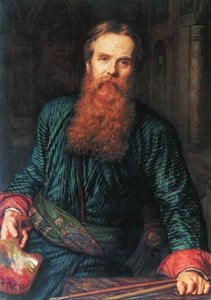
1827 - 1910 , Birleşik Krallık

Explore the breathtaking world of the Pre-Raphaelite Brotherhood. Discover how this movement redefined Victorian art through vivid detail, mythological depth, and romanticism. An expert guide for classic art enthusiasts seeking to rediscover these timeless masterpieces.

Delve into the breathtaking Pre-Raphaelite Revolution. Explore the vivid colors, intricate details, and romantic symbolism of masters like Rossetti and Millais in this authoritative journey through 19th-century art history for true enthusiasts.

Explore the profound beauty of Victorian era art. From Pre-Raphaelite realism to romantic symbolism, our expert guide decodes the elegance and intricate detail of this historic movement for the true art enthusiast.

 Önizleme yap
 Paylaş
 Paylaş
 Detayları Gör

 İndir
İndir
 Benzerlerini gör
 X-Işını
 Slayt Gösterisi


 Tümünü Gör







 Cam seçeneği yalnızca 110 cm altındaki boyutlar için mevcuttur.


