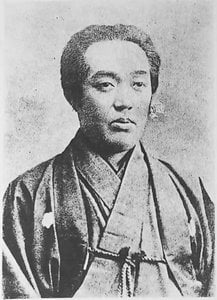
Tsukioka Yoshitoshi: Mürekkep ve Ahşapla Yazılan Bir Yaşam – Ukiyo-e Dünyası
Tsukioka Yoshitoshi, Edo (günümüz Tokyo) sokaklarının kalabalığı arasında 1839’da Owariya Yonejiro adıyla doğmuş bir figür olarak, Japon sanatının tarihinde önemli bir yere sahiptir. Geniş çapta “yüzen dünyanın resimleri” anlamına gelen *ukiyo-e* sanatının son büyük ustası olarak kutlanmasının yanı sıra, onu sadece bu unvanla tanımlamak yetersiz kalır. Yoshitoshi yalnızca geleneği koruyan biri değildi; aynı zamanda sınırları zorlayan, çalkantılı bir Japonya’nın ruhunu cesurca yakalayan bir görsel hikaye anlatıcısıydı. Hayatı, Tokugawa şogunluğunun son yıllarından Meiji Restorasyonu'na ve Batı fikirlerinin hızlı akışına kadar toplumsal değişimlerin arka planında gelişti – bunların hepsi onun sanatsal vizyonunu derinden etkiledi. Bir tüccarın oğlunun samuray statüsüne yükseldiği mütevazı bir başlangıçtan sonra Yoshitoshi’nin yolu, Utagawa Kuniyoshi ile çıraklık yaparak geçti; bu usta, onun üzerinde silinmez bir etki bırakacaktı. Bu şekillenici dönem, ona yalnızca teknik beceri kazandırmakla kalmadı, aynı zamanda hikaye anlatımına ve dinamik kompozisyona da derin bir takdir aşıladı.
Çıraklık Döneminden Sanatsal Bağımsızlığa
Yoshitoshi’nin ilk yılları, Kuniyoshi'nin sıkı disiplini altında *ukiyo-e* eğitiminin içine işlemişti. Ustasının tekniklerini özümsedi, çizim becerilerini geliştirdi ve hikayeleri etkileyici görsel formlara dönüştürmeyi öğrendi. Ancak Yoshitoshi kısa sürede kendi yolunu açmaya başladı. Yerleşik normlar içinde çalışmasına rağmen, özellikle şiddet ve ölüm tasvirlerinde sınırları zorlama isteği gösterdi. Bunlar rastgele görüntüler değildi; aksine, o dönemin huzursuzluğunun ve kişisel trajedilerin yansımalarıydı – hem babasının kaybı hem de Kuniyoshi’nin ölümü onun sanatsal yönünü derinden etkiledi. 1860'ların ortalarında Yoshitoshi, "kanlı baskılar" olarak bilinen serisiyle tanındı; bu seri grafik imgeler ve dramatik yoğunlukla karakterize edildi. *Eimei nijûhasshûku* (Verse ile Yirmi Sekiz Ünlü Cinayet) gibi seriler, şaşırtıcı gerçekçilikle tasvir edilen vahşi cinayet sahneleriyle izleyicileri hem şok etti hem de büyüledi ve onu birçok çağdaşından ayıran bir istekliliği gösterdi. Farklı konuları ve dizileri keşfetmesi, popüler *Tsūzoku saiyūki* (“Modern Batıya Yolculuk”) ve *Wakan hyaku monogatari* (“Çin ve Japonya’dan Yüz Hikaye”) gibi serilerde çeşitliliğini daha da pekiştirdi.
Değişen Bir Dünyada Yenilik
Yoshitoshi'nin dehası yalnızca konu seçiminde değil, aynı zamanda sanatsal tekniğinde de yatıyordu. Geleneksel Japon estetiğini ithal baskılar ve gravürlerden öğrendiği perspektif ve kompozisyon öğeleriyle Batılı etkileri ustaca birleştirdi. Bu füzyon hem farklı Japonca hem de çarpıcı derecede modern olan benzersiz bir görsel dil yarattı. Japonya modernleşmeyi kucaklarken, fotoğrafçılık ve litografi gibi yeni teknolojiler *ukiyo-e*'nin varlığını tehdit etti. Yoshitoshi bu zorluğu fark etti ve sanatını daha önce görülmemiş seviyelere çıkararak yanıt verdi. Renk paletleriyle denemeler yaptı, oymacılık tekniklerini geliştirdi ve tahta baskı ortamında anlatı hikaye anlatımının sınırlarını zorladı. *Musha Burui* (Savaşçı Baskılar) serisi bunun örneğidir – her baskı eylem ve duygunun dinamik bir patlamasıdır; kahraman figürleri ve dramatik savaşları tasvir etme becerisini gösterir. Hayatta kalmak için *ukiyo-e*'nin evrilmesi gerektiğini anladı ve sanat formunun devamlılığını sağlamaya kendini adadı.
Miras ve Kalıcı Etki
Finansal zorluklar, kişisel mücadeleler ve geleneksel sanat biçimlerinin çöküşü gibi muazzam zorluklarla karşı karşıya kalmasına rağmen Yoshitoshi, *ukiyo-e*'ye olan bağlılığında sarsılmaz kaldı. Ölümüne kadar 1892'de durmaksızın çalıştı ve bugün dünyanın dört bir yanındaki müzelerde ve koleksiyonlarda kutlanan ve hayranlık uyandıran geniş bir eser bıraktı. Doğrudan sonraki nesillerdeki Japon sanatçıları üzerindeki etkisi tartışmalı olsa da, tarihsel önemi yadsınamaz. Yoshitoshi, derin değişim döneminde bir sanat formunu koruyan ve yükselten son büyük *ukiyo-e* ustası olarak duruyor. Cesareti, vizyonu ve sanata olan sarsılmaz bağlılığı, ruhunun nesiller boyu süreceğini sağladı.
Son Dokunuş: Yoshitoshi'nin Kalıcı Etkisi
- Geleneklerin Korunması: Hızla modernleşen Japonya’da Yoshitoshi, geleneksel tahta baskı tekniklerini destekledi.
- Sanatsal Yenilikçilik: Japon estetiğini Batılı etkilerle sorunsuz bir şekilde harmanlayarak benzersiz ve dinamik bir stil yarattı.
- Anlatı Gücü: Baskıları, sürükleyici hikaye anlatımı ve dramatik yoğunluklarıyla tanınır.
- Tarihi Belgeleme: Yoshitoshi’nin çalışmaları 19. yüzyıl Japonya'sının sosyal, politik ve kültürel ortamına değerli bilgiler sağlar.
- Kalıcı mirasının bir kanıtı, sanatçıların ve sanatseverlerin dünyadaki takdirinin devam etmesidir.
Yoshitoshi’nin hayatı, zamanla verilen bir mücadeleydi; değişen bir dünyanın yüzünde sevilen bir sanatsal geleneği korumaya yönelik cesur bir çaba oldu. *Ukiyo-e*'yi yalnızca korumakla kalmadı, aynı zamanda dönüştürdü ve bugün hala hayranlık uyandıran ve ilham veren bir eser bıraktı. Baskıları sadece güzel nesneler değil; geçmiş bir çağa açılan pencereler, insan duygusunun güçlü ifadeleri ve sanatsal mükemmelliğin zamansız sembolleridir.



 Önizleme yap
 Switch to Print
 Paylaş
 Paylaş
 Detayları Gör

 İndir
İndir
 Benzerlerini gör
 X-Işını
 Slayt Gösterisi
 Stats
Stats

 Tümünü Gör






































 Cam seçeneği yalnızca 110 cm altındaki boyutlar için mevcuttur.