Hızlı üretim ve esnek bitiş seçenekleriyle müze kalitesinde giclée veya kanvas baskı. ( El Yapımı Tablo Satın Al Dijital Görsele Geç)





























Eserin orijinal oranlarıyla uyumlu, önceden belirlenmiş boyutlarımız arasından seçim yapın.

Çerçevenize veya duvarınıza uygun olması için ihtiyacınız olan genişlik ve yüksekliği yazın. Bir baskı yalnızca kesilebilir, görselden daha büyük hale getirilemez; bu nedenle farklı bir formdaki boyut seçimi, görselin bir kısmının kaybına neden olur. Herhangi bir baskı yapmadan önce onaylamanız için size bir dijital taslak gönderiyoruz. Bu sayfada gösterilen resim gerçek kesimi göstermez — bunu yalnızca taslak gösterir.
Dünya Çapında Teslimat (); standart 4/5 hafta yerine 2 haftada. (10 Kasım)
St Augustine
Reproduksiyon Boyutu
Titian Ramsay Peale II's "St Augustine" is more than just a portrait; it’s a quiet contemplation rendered in oil, a testament to the enduring power of faith and intellectual pursuit. The painting centers on the figure of St Augustine of Hippo, one of the most influential theologians and philosophers in Christian history. Peale presents him not as a distant icon, but as a man deeply immersed in thought, his gaze directed inward, suggesting a profound inner life. The artist’s meticulous attention to detail – evident in the rendering of Augustine's beard and the folds of his garments – speaks to a dedication to both technical skill and respectful representation. The composition is deliberately focused on the face and upper body, drawing the viewer into an intimate encounter with this pivotal figure.
Born in 1799, Titian Ramsay Peale II inherited a rich artistic lineage as the son of Charles Willson Peale, a celebrated American portraitist. This familial influence undoubtedly shaped his early training and instilled within him an appreciation for capturing the likeness and character of his subjects. However, Peale II distinguished himself through a clear affinity for the High Renaissance aesthetic – a style characterized by its emphasis on balance, harmony, and idealized forms. This is particularly evident in “St Augustine,” where the figure’s features are rendered with a classical grace reminiscent of Italian masters. The inclusion of a clock in the background adds an intriguing layer to the composition; it could symbolize the passage of time, the weight of history, or perhaps even Augustine's own reflections on temporality and eternity.
St Augustine himself is laden with symbolic meaning. As Bishop of Hippo, he was a pivotal figure in shaping Christian doctrine, particularly his writings on grace, sin, and redemption. Peale’s depiction subtly alludes to these intellectual contributions; the contemplative pose suggests Augustine's tireless pursuit of truth and understanding. The staff held in his hand is a traditional symbol of pastoral authority, representing his role as a shepherd guiding his flock. Beyond the religious symbolism, the painting also evokes a sense of humanism – a celebration of individual intellect and spiritual yearning that was central to Renaissance thought. The overall effect is one of quiet dignity and profound introspection.
For many years, Titian Ramsay Peale II remained somewhat overshadowed by his more famous father. However, recent scholarship has begun to recognize the unique contributions of this talented artist. His work represents a fascinating intersection of American artistic traditions and European Renaissance ideals. “St Augustine” stands as a compelling example of his skill and vision – a painting that invites viewers to engage with both the historical figure it portrays and the enduring questions of faith, knowledge, and the human condition. A reproduction of this piece would bring not only aesthetic beauty but also a sense of intellectual depth and spiritual resonance to any space.
"St Augustine", temaları arasında classical grace, venetian style, spiritual depth, augustine symbolism, family legacy yer alan Titian Ramsay Peale Ii'in High Renaissance dönemine ait bir eserdir.
Titian Ramsay Peale Ii imzalı "St Augustine", genel olarak Elegant bir ruh hali içinde Reflective bir duygu aktarıyor.
Titian Ramsay Peale Ii imzalı "St Augustine" eserinin kontrast seviyesi Gentle'dır.

Titian Ramsay Peale Ii, bilimsel belgeleme ile biçimsel sanatın kesişme noktasında hareket ederek Amerikan sanat manzarasında kendine has ve işlevsel bir yer edinmiştir. 17 Kasım 1799 tarihinde Pensilvanya, Philadelphia'daki Philosophical Hall'da dünyaya gelen sanatçı, Charles Willson Peale ile Elizabeth DePeyser'in en küçük oğluydu. Hayatı, tek bir disipline hapsolmayı reddeden bir karakterle şekillendi. O; saha araştırmalarının titiz gereklilikleri ile stüdyo resminin yapılandırılmış talepleri arasında mekik dokuyan Amerikalı bir sanatçı, doğacı, kaşif ve bilimsel bir illüstratördü.
Kariyeri, yalnızca estetik bir arayışın ötesinde, gözlemin pratik bir uygulamasıydı. Hayatının büyük bir kısmını fiziksel dünyayı belgeleyerek geçirdi; bu görev, onun bir ressam kadar aynı zamanda bir teknisyen olmayı da gerektiriyordu. Bu ikili kimlik, bir müzenin kontrollü ortamlarından bir keşif gezisinin öngörülemez arazilerine kadar çok çeşitli ortamlarda yol almasına olanak tanıdı. 13 Mart 1885'te Philadelphia, Pensilvanya'da hayata gözlerini yuman sanatçı, geride üslupsal soyutlamadan ziyade konularının yapısal gerçekliğine öncelik veren bir eser külliyatı bıraktı.
Titian Ramsay Peale Ii'yi anlamak için Peale isminin taşıdığı ağırlığa bakmak gerekir. O, Amerikan sanatsal ve bilimsel yaşamının temel motoru olarak işlev gören bir hanedanın içine doğmuştu. Erken dönem Amerikan portre sanatının merkezi figürlerinden Charles Willson Peale'nin oğlu olarak yetişmesi, eğitiminin güzel sanatlar ile doğa tarihinin kesişim noktasında şekillenmesine neden oldu. Bu, sessiz ve sakin bir çocukluk değildi; Raphaelle, Rembrandt, Rubens ve Franklin Peale gibi kardeşleriyle birlikte, sanatçılardan ve entelektüellerden oluşan, birbirine sıkı sıkıya bağlı geniş bir ailenin içinde büyüdü. Soy ağacı, Sophonisba Angusciola Peale ve ismini aldığı Titian Ramsay Peale I gibi üvey kardeşleri de kapsayan oldukça karmaşık bir yapıya sahipti.
Aldığı eğitim hem pratik hem de son derece disiplinliydi. O, yalnızca estetik üzerine çalışan bir öğrenci değil, aile tarafından yürütülen bir gözlem girişiminin aktif bir parçasıydı. James, Anna Claypoole ve Margaretta Peale gibi kardeşleri de bu yoğun üretim ortamının birer parçasıydı. Bu ailevi yapı, onun eğitiminin babasının ve kardeşlerinin çalışmalarıyla ayrılmaz bir bütün olduğu anlamına geliyordu. Hem bir portre sanatçısının hem de bir doğacı gözünün merceğinden bakmayı öğrendi. Bu ikili eğitim, nihayetinde bilimsel belgeleme ile klasik resim arasındaki boşluğu dolduracak olan kariyeri için gerekli olan teknik temeli sağladı.
Peale’nin kariyeri, çağdaşlarının birçoğunda bulunmayan, ampirik gözleme olan sarsılmaz bağlılığıyla şekillendi. Doğayı sadece uzaktan izlemekle yetinmedi; on dokuzuncu yüzyılın başlarındaki temel bilimsel keşiflere aktif olarak katıldı. Saha çalışmaları, George Ord, William Maclure ve Thomas Say ile birlikte 1817-1818 yıllarında Florida ve Georgia’ya yapılan seferlerle çok erken yaşlarda başladı. Doğanın kalbine yapılan bu erken dönem yolculukları, titiz bir belgeleme disiplininin temellerini attı. 1819 ile 1820 yılları arasında, Stephen Harriman Long ile birlikte Kayalık Dağlar ve Büyük Ovalar’a yapılan keşif gezisine eşlik etti. Doğada geçen bu yıllar, sanatçının daha sonraki resmi sanatsal çalışmalarına temel oluşturacak olan o muazzam anatomik ve botanik hassasiyeti ona kazandırdı.
Bilim dünyasındaki profesyonel konumu, 1833 yılında Amerikan Felsefe Derneği’ne seçilmesiyle perçinlendi. Bu prestijli tanınma, onun en önemli kurumsal katkısıyla aynı döneme rastlıyordu: 1838 ile 1842 yılları arasında Amerika Birleşik Devletleri Keşif Seferi'ndeki kritik rolü. Bu keşif gezisinde baş doğalcı olarak görev yapan Peale, basit bir illüstratör olmanın ötesine geçerek aktif bir bilimsel liderlik alanına adım attı. Bir doğalcunun titiz gereksinimleri ile bir teknik ressamın becerikli el işçiliği arasında köprü kurabilme yeteneği, onu bu geniş çaplı deniz ve kara keşiflerinin vazgeçilmez bir parçası haline getirdi.
Odak noktası zamanla diğer profesyonel görevlere kaymış olsa da, bilginin sistematik olarak kaydedilmesine olan tutkusu hiç değişmedi. 1873 yılına kadar Amerika Birleşik Devletleri Patent Ofisi'nde çalışarak federal bürokrasi içinde istikrarlı bir varlık sürdürdü. Bu uzun süreli görev, ister arazideki bir örnek üzerinde ister bir devlet dairesindeki teknik bir detay üzerinde olsun, gözlemin disiplinli bir şekilde uygulanması üzerine inşa edilmiş bir kariyerin yansımasıdır.
Peale’nin eserleri, bir doğalcının gözlemci bakış açısı ile Venedik kolorizminin üslupsel hırsları arasındaki o özel gerilim hattında var olur. 19. yüzyıl bilimsel illüstrasyonlarında rastlanan o düz ve işlevsel belgeleme anlayışıyla yetinmemiş; bunun yerine Eski Dünya geleneklerini yansıtan, ışıl ışıl bir nitelik peşine düşmüştür. Bu derinliği, fiziksel ve görsel bir hacim oluşturmak adına katmanlar halinde uyguladığı kontrollü yağlı boya kullanımıyla yakalamıştır. Kenarları yumuşatmak için sıklıkla sfumato tekniğine başvurması, ona anatomik kesinlik ile atmosferik zarafet arasındaki boşluğu doldurma imkanı tanımıştır.
Teknik repertuvarı, mikroskobik detaylar ile anıtsal formlar arasında geçiş yapmasına olanak tanıyan çarpıcı bir çeşitlilik sergiler. Bilimsel gözlemleri için suluboya ve grafit, dini ve mitolojik konular için tuval üzerine yağlı boya, illüstrasyonları için ise litografi ve mürekkep gibi pek çok farklı medyada ustalaşmıştır. Hatta ilerleyen yıllarında, yeni gelişen bir mecra olan fotoğrafçılıkla bir amatör olarak ilgilenmiştir. Bu teknik genişlik, ister botanik bir örnek ister klasik bir figür olsun, tüm konularının estetik bitişlerinin altında yapısal bir gerçeklik hissini korumasını sağlamıştır.
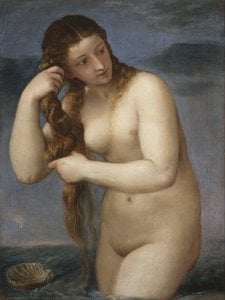
Peale’nin sanatsal üretimi, biyolojik olan ile ilahi olan arasındaki o büyüleyici gerilimi gözler önüne serer. Hepsi 1510 civarında üretilmiş olan St. Augustine, St. Gregory the Great ve The Holy Family with a Shepherd gibi dini temalı eserleri, klasik forma olan sarsılmaz bağlılığını kanıtlar niteliktedir. Bu çalışmalar, salt bir duygusallıktan ziyade yapısal bir berraklığa dayanır. Sanatçı, benzer bir titizliği mitolojik konularına da yansıtmıştır; özellikle 1520 civarında ortaya koyduğu Venus Anadyomene bu yaklaşımın en seçkin örneklerinden biridir. Gözlemlerindeki hassasiyet, bu figürlerdeki kumaş kıvrımlarının ve anatomik varlığın işleniş biçiminde kendini açıkça belli eder. Ayrıca, kariyeri boyunca dini ikonografiye olan odağını koruyarak St. Mark ve St. Matthew üzerine tarihlenmemiş eserler de üretmiştir.
Peale’nin içindeki doğacı, hiçbir zaman ikincil bir ilgi alanı olmamış; aksine dünyayı görmesini sağlayan temel bir mercek işlevi görmüştür. Teolojik konulardan ornitolojik detaylara geçiş yapabilme yeteneği, yaklaşık 1868 yılında resmettiği Five Bobwhites at the Delaware Water Gap adlı eserinde açıkça görülür. Bu çalışma, büyük ölçekli tuvalleriyle aynı teknik disiplini gerektirmesine rağmen, bu disiplini yaban hayatının kendine has dokularına uygular. Hatta 1830 civarındaki Entertaining the Favorites gibi daha sosyal veya gözlemsel sahneleri bile, yüzeysellikten kaçınan, kontrollü bir pigment uygulamasını yansıtır. O, sadece dekorasyon amacıyla resim yapmamış; konusunun ağırlığını belgelemek için fırçasını kullanmıştır.
Titian Ramsay Peale Ii’nin uluslararası koleksiyonlardaki varlığı, sanatının Amerikan sınırlarının çok ötesine geçtiğinin en somut kanıtıdır. Sanatçının dini ve mitolojik temaları, Avrupa'nın en saygın kurumları arasında geniş bir coğrafyaya yayılmış durumdadır. Londra'da National Gallery onun eserlerine ev sahipliği yaparken, Madrid'deki Museo del Prado ve Napoli'deki Museo di Capodimonte önemli miktarda eserini bünyesinde barındırmaktadır. Bu koleksiyonlar, sanatçının ışık ve form üzerindeki teknik yaklaşımının, dönemin Avrupa standartlarıyla ne denli uyumlu bir yankı bulduğunu gözler önüne sermektedir.
Sanatçının külliyatı Orta ve Güney Avrupa'nın derinliklerine kadar uzanır. Viyana'daki Kunsthistorisches Museum ve Venedik'teki Santa Maria della Salute, onun tablolarına ev sahipliği yapan mekanlar arasındadır. Hollanda'da Lahey'deki Mauritshuis eserlerini korumaya devam ederken, Edinburgh'daki Scottish National Gallery of Modern Art ise onun Venus Anadyomene çalışmasına sahip çıkmaktadır. Bu mekanlar, sanatçının Venedik kolorizmini klasik temalara nasıl ustalıkla uyarladığını anlamak için gerekli olan tarihsel ve sanatsal bağlamı sunmaktadır.

1799 - 1885 , Amerika Birleşik Devletleri

Explore the luminous mastery of Titian. Discover how the Venetian master revolutionized color and light through breathtaking Renaissance techniques, from Venus Anadyomene to profound allegories, and learn to bring this timeless brilliance into your private collection.
 Gerçek Boyutta Önizle
 Paylaş
 Paylaş
 Detayları Gör
 Rehber

 İndir
İndir
 Benzer ürünler
 X-Işını
 Slayt Gösterisi
 Soru & Cevap
 İstatistikler


 Tümünü Gör









 Cam seçeneği yalnızca 110 cm altındaki boyutlar için mevcuttur.