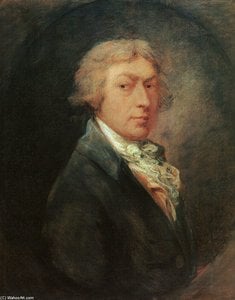
Web önizlemesinin çok ötesinde, baskıya hazır bir dosya edinin. Sattığımız her dijital görüntü, stok veri tabanımızdaki yüksek çözünürlüklü bir ana dosyadan —genellikle 5.000 ila 15.000 piksel genişliğinde— gelir; böylece büyük boyutlarda baskı alabilir, dar kırpmalar yapabilir veya ince detayları güvenle yeniden üretebilirsiniz.
Stüdyomuzdan çıkan hiçbir dosya işlenmeden çıkmaz. Bir dijital uzman, renkleri orijinal tabloyla karşılaştırarak kontrol eder ve gerekirse düzeltir; ardından profesyonel rötuş araçlarıyla netliği ve detayları artırır — bunu yaparken her zaman sanatçının fırça darbelerine ve üslubuna sadık kalır. Sonuç, filtrelenmiş bir tarama gibi değil, bizzat tablonun kendisi gibi görünen bir görüntüdür.
İşlem tamamlanmadan önce onayınız alınır: Uzmanımız, incelemeniz için görseli 72 saat içinde e-posta ile gönderir. Memnun kalmadınız mı? İyileştirme veya düzeltme talep edebilir ya da kalite beklentinizin altında kalırsa iade isteyebilirsiniz.
Yayıncıların, tasarım stüdyolarının, galerilerin ve matbaaların güvendiği kalite budur.
Kişisel kullanım, baskı ve yaratıcı projeleriniz için yüksek çözünürlüklü bir dosya indirin. ( Baskı Satışına Geç El Yapımı Tablo Satın Al)
WahooArt.com seçtiğinizde, sadece bir görsel edinmekle kalmaz; titizlikle hazırlanmış, profesyonelce iyileştirilmiş dijital bir sanat eserine sahip olur ve memnuniyet garantisiyle güvence altına alınırsınız. Siparişinizle birlikte otomatik olarak sunulan her şey şunlardır:
Yüksek çözünürlüklü dijital görüntü dosyanız, siparişinizin ardından en geç 72 saat içinde e-posta ile size gönderilecek ve hemen kullanıma hazır olacaktır.
Sanat eseriniz; maksimum detay, netlik ve renk doğruluğu sağlamak amacıyla gelişmiş yapay zeka araçları ve manuel düzenleme kullanılarak profesyonelce optimize edilmektedir.
Dosyanızı yanlışlıkla mı sildiniz yoksa kayıp mı oldu? Endişelenmeyin; dosyanızı dilediğiniz zaman size ücretsiz olarak tekrar göndereceğiz.
Sanat eserinizin tadını gümrük vergisi, harç veya teslimat ücreti ödemeden anında çıkarın; dijital indirmeler her zaman vergiden muaftır.
Profesyonel araçlar ve renk yönetimi kullanarak dijital görselinizin orijinal renklere mümkün olduğunca yakın yansıtılmasını sağlıyoruz.
If you're not satisfied with your digital image, we'll revise it or refund 100% within 100 days - no questions asked.
Memnun kalmadınız mı? Dijital dosyanızı teslim aldıktan sonraki 100 gün içinde, hiçbir soru sorulmaksızın tam para iadesi alabilirsiniz.
Buy 3 images, save 10% - Buy 5, save 15% - Buy 10+, save 20%. Great for creative projects, galleries, and agencies.

Thomas Woodward, born in the bustling heart of London in 1801, emerged as a profound and biting voice during one of the most transformative eras in British history. The Victorian age, characterized by the relentless march of industrialization and deep-seated social upheaval, provided the perfect canvas for an artist possessed of both technical mastery and a keen eye for human fraelity. Woodward’s artistic vision was not merely a product of his time but was deeply rooted in an intellectual upbringing that embraced the grandeur of classical literature and the complexities of philosophy. This foundation allowed him to infuse his satirical engravings with a layer of sophistication, moving beyond simple mockery to offer astute observations on the follies of contemporary society.
His journey into the world of fine art began through a rigorous apprenticeship under the celebrated engraver George Moutard Woodward. It was during these formative years that he mastered the intricate techniques of mezzotint printing, a medium renowned for its ability to manipulate light and shadow to create rich, velvety tones. This technical prowess became the cornerstone of his career, enabling him to capture the subtle nuances of emotion and character that defined his work. Beyond the workshop, Woodward drew inspiration from the epic narratives of Homer’s Iliad and Odyssey, a passion that instilled a sense of dramatic composition and classical weight within even his most humorous caricatures.
As his reputation grew, Woodward became a sought-after talent for publishers looking to capture the zeitgeist of the nineteenth century. His career was marked by an extraordinary ability to translate the energy of London life into visual narratives that resonated with both the elite and the common observer. A significant portion of his artistic legacy is tied to his brilliant collaborations, most notably with fellow engravers such as Rowlandson. Together, they forged a partnership that produced some of the era’s most iconic satirical prints, tackling the pressing anxieties of the day—from the shadows of parliamentary corruption to the dizzying, often frightening, pace of industrial progress.
While much of his fame rests upon the sharp wit of his engravings, Woodward also demonstrated a remarkable versatility in more traditional mediums. His ability to pivot from the biting edge of caricature to the tender, evocative beauty of oil painting reveals an artist of immense depth. In works such as A Greyhound in Pursuit of a Hare, one can witness his mastery of dynamic movement and the raw energy of the natural world. Similarly, his more contemplative pieces, like The Shepherd Boy with His Dogs, showcase a Romantic sensibility, utilizing impasto techniques to celebrate childhood innocence and the quiet majesty of nature.
The significance of Thomas Woodward lies in his dual role as both a chronicler of social truth and a master of technical printmaking. He did not merely observe the Victorian era; he interrogated it. Through his lens, the contradictions of a society caught between tradition and modernity were laid bare, often through the medium of laughter. His work serves as a vital historical document, capturing the textures, tensions, and triumphs of a London in flux.
Today, the works of Woodward continue to captivate art historians and enthusiasts alike, standing as a testament to a period of unparalleled artistic experimentation. His contributions can be summarized through several enduring impacts:
Though his life was relatively short, ending in 1852, the echoes of Woodward’s wit and the precision of his hand remain etched in the annals of British art history, reminding us of the power of art to reflect, critique, and ultimately immortalize the human condition.

1801 - 1852
 Gerçek Boyutta Önizle
 Paylaş
 Paylaş
 Detayları Gör
 Rehber

 İndir
İndir
 Benzer ürünler
 X-Işını
 Slayt Gösterisi
 Soru & Cevap
 İstatistikler

 Tümünü Gör