Önizleme yap AR ile önizle Baskı Moduna Geç El yapımı tablo satın al Paylaş
Detayları Gör Guide Favorilere ekle İndir Benzerlerini gör X-Işını Slayt Gösterisi İstatistikler

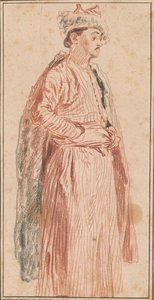
Nicolas Trigault

Admire Rubens’ ‘Nicolas Trigault,’ a stunning 1617 chalk drawing showcasing Baroque realism & dramatic lighting. A masterpiece of portraiture, perfect for art enthusiasts.

Peter Paul Rubens: Barok sanatının zirvesi! İsa’nın çarmıhtan indirilmesini tasvir eden ikonik eserleriyle tanınır. Dinamik kompozisyonları ve canlı renkleriyle sanat tarihinin en etkileyici figürlerinden biri olarak unutulmaz bir miras bıraktı.

Çevrimiçi önizlemeden çok daha üstün, yüksek çözünürlüklü ve iyileştirilmiş bir dijital görüntü satın alın.

Her dosya, uzman ekibimiz tarafından gelişmiş araçlar ve titiz manuel rötuş teknikleri kullanılarak özenle hazırlanır. Her görüntünün olağanüstü netliğe, kusursuz renk doğruluğuna ve ince ayrıntılara sahip olduğundan emin oluruz.

Son dosya; profesyonel, editoryal ve baskı süreçlerinde anında kullanıma uygun şekilde optimize edilerek 72 saat içinde e-posta yoluyla teslim edilir. Bu, seçkin tasarım stüdyoları, yayıncılar ve galerilerin güvendiği aynı kalite standartlarındadır.

Dijital Görsel

Kişisel sergileme, baskı ve yaratıcı projeleriniz için yüksek çözünürlüklü bir dosya indirin. ( Baskı Moduna Geç El yapımı tablo satın al)

Toplam Tutar

$ 24,90

Her Dijital Görüntü Siparişinde Dahil Olanlar

Uzman Dijital Teslimat, Garantili

WahooArt.com seçtiğinizde, sadece bir görsel edinmekle kalmaz; titizlikle hazırlanmış, profesyonelce iyileştirilmiş dijital bir sanat eserine sahip olur ve memnuniyet garantisiyle güvence altına alınırsınız. Siparişinizle birlikte otomatik olarak sunulan her şey şunlardır:

shipping_icon
Hızlı E-posta ile Teslimat

Yüksek çözünürlüklü dijital görüntü dosyanız, siparişinizin üzerinden en geç 72 saat geçmeden e-posta ile size gönderilecektir; hemen kullanıma hazırdır.

canvas_icon
Yapay Zeka İle İyileştirilmiş Dijital Dosya

Sanat eseriniz; maksimum detay, netlik ve renk doğruluğu sağlamak amacıyla gelişmiş yapay zeka araçları ve manuel düzenleme kullanılarak profesyonelce optimize edilmektedir.

insurance_icon
Ömür Boyu Ücretsiz Yeniden Gönderim

Dosyanızı yanlışlıkla mı sildiniz yoksa kayıp mı oldu? Endişelenmeyin; dosyanızı dilediğiniz zaman size ücretsiz olarak tekrar göndereceğiz.

tax_icon
Hiçbir Zaman İthalat Ücreti Ödemeyin

Sanat eserinizin tadını gümrük vergisi, harç veya teslimat ücreti ödemeden anında çıkarın; dijital indirmeler her zaman vergiden muaftır.

color_icon
Renk Doğruluğu Garantisi

Profesyonel araçlar ve renk yönetimi kullanarak dijital görselinizin orijinal renklere mümkün olduğunca yakın yansıtılmasını sağlıyoruz.

return_icon
100 Günlük Memnuniyet Garantisi

If you're not satisfied with your digital image, we'll revise it or refund 100% within 100 days - no questions asked.

guarantee_icon
100% Para İadesi Garantisi

Memnun kalmadınız mı? Dijital dosyanızı teslim aldıktan sonraki 100 gün içinde, hiçbir soru sorulmaksızın tam para iadesi alabilirsiniz.

discount_icon
Toplu Sipariş İndirimleri

Buy 3 images, save 10% - Buy 5, save 15% - Buy 10+, save 20%. Great for creative projects, galleries, and agencies.

Hızlı Bilgiler

  • title: Nicolas Trigault
  • dimensions: 45 x 26 cm
  • style: portraiture, realism
  • subject: Nicolas Trigault
  • medium: chalk drawing
  • movement: Baroque

Sanat Bilgisi Testi

Her soru için yalnızca bir doğru cevap bulunmaktadır.

Soru 1:
In what year was Peter Paul Rubens' portrait of Nicolas Trigault created?
Soru 2:
What medium did Rubens primarily use for this portrait?
Soru 3:
Nicolas Trigault was a member of which religious order?
Soru 4:
Which artistic movement is this portrait most closely associated with?
Soru 5:
Where is the artwork currently housed?

A Portrait of Faith & Diplomacy: Peter Paul Rubens’ Nicolas Trigault

This captivating chalk drawing by Peter Paul Rubens offers a remarkable glimpse into the world of 17th-century intellectual and religious exchange. Created in 1617, the portrait depicts Nicolas Trigault, a Belgian Jesuit priest whose life bridged Europe and China during a pivotal era of missionary work. The artwork, measuring 45 x 26 cm, resides within the esteemed collection of the Metropolitan Museum of Art in New York City.

The Subject: A Man Between Worlds

Nicolas Trigault was far more than simply a priest; he was a key figure in disseminating knowledge about China to Europe. His travels and writings – notably his editing and translation of Matteo Ricci’s work on China – were instrumental in shaping European understanding of the East. Rubens captures this sense of intellectual weight and worldly experience in Trigault's dignified pose and contemplative expression. The subject’s attire, while traditional for a Jesuit, hints at his exposure to different cultures, suggesting a man comfortable navigating diverse landscapes.

Masterful Technique & Baroque Sensibility

Rubens demonstrates exceptional skill in his use of black and red chalk. He achieves remarkable depth and texture through delicate hatching and cross-hatching, particularly evident in the rendering of Trigault’s robes and facial features. The subtle gradations of tone create a sense of volume and realism that is characteristic of Rubens' style. While a drawing, it possesses a painterly quality, foreshadowing the dramatic chiaroscuro (light-dark contrast) found in his larger oil paintings.

Key Characteristics of Baroque Portraiture

This portrait embodies several hallmarks of the Baroque period:
  • Dramatic Realism: Rubens doesn’t idealize Trigault; he presents him as a fully realized individual, with visible signs of age and thought etched upon his face.
  • Psychological Insight: The portrait isn't merely a physical likeness. It conveys a sense of the subject’s inner life – his piety, intelligence, and perhaps even a hint of weariness from his extensive travels.
  • Subtle Emotional Intensity: While not overtly emotional, Trigault’s expression suggests deep contemplation and unwavering faith—qualities highly valued during the Counter-Reformation period.

Historical Context & Religious Diplomacy

The early 17th century was a time of intense religious fervor and global exploration. The Jesuit order played a crucial role in both, sending missionaries to far-flung corners of the world to spread Christianity. Trigault’s work in China was particularly significant, as it involved not only evangelization but also cultural exchange and intellectual inquiry. Rubens, himself a diplomat as well as an artist, would have been keenly aware of these developments. This portrait can be seen as a visual testament to the era's complex interplay between faith, politics, and knowledge.

Symbolism & Emotional Resonance

While not laden with overt symbolism, the portrait’s power lies in its quiet dignity and understated elegance. The dark background focuses attention entirely on Trigault, emphasizing his importance as a figure of intellectual and spiritual authority. The artwork evokes a sense of respect for learning, faith, and cross-cultural understanding. It invites viewers to contemplate the challenges and rewards of bridging different worlds – a theme that remains relevant today.

A Timeless Masterpiece for Today’s Spaces

Rubens' *Nicolas Trigault* is more than just a historical artifact; it’s a work of art with enduring aesthetic appeal. Its refined composition, masterful technique, and evocative subject matter make it an ideal addition to any collection or interior design scheme. A high-quality reproduction captures the nuance and depth of the original, bringing a touch of Baroque grandeur and intellectual sophistication to your home or office. *This portrait serves as a powerful reminder of the enduring human quest for knowledge, faith, and connection.*

Sanatçı Özgeçmişi

Sir Peter Paul Rubens: A Baroque Master!

Peter Paul Rubens, a name synonymous with the exuberant grandeur of the Baroque era, transcended mere artistic talent; he was a diplomat, scholar, and cultural architect whose indelible mark reshaped the visual landscape of 17th-century Europe. Born on June 28, 1577, in Siegen (Westphalia), Germany—a location reflecting his family’s turbulent origins—Rubens' early life unfolded amidst displacement, an experience that subtly imbued his oeuvre with a palpable sense of drama and emotional resonance. His father, Jan Rubens, a lawyer fleeing persecution for his Calvinist beliefs, abruptly relocated the family from Antwerp, then under Spanish dominion, fostering in young Peter Paul a resilience and adaptability that would prove invaluable throughout his multifaceted career. The untimely death of Jan Rubens in 1587 propelled the family back to Antwerp, where he received a humanist education before embarking on his artistic apprenticeship around 1590, honing foundational skills under Tobias Verhaecht and Adam van Noort—masters who instilled in him meticulous observation and technical precision.

The Italian Awakening: Absorbing Renaissance Genius

A pivotal moment arrived in 1600 when Rubens embarked upon a transformative pilgrimage to Italy – a journey that irrevocably cemented his artistic vision. For eight years, he immersed himself in the monumental masterpieces of Michelangelo, Raphael, and Titian, absorbing their unparalleled mastery of form, color, and composition. The influence of these Renaissance titans is unmistakably evident in Rubens’s formative Italian works, characterized by classical themes and idealized figures—a deliberate homage to the artistic ideals that had dominated Europe for centuries prior. Yet, Rubens didn't merely emulate; he synthesized these influences with his innate genius, forging a distinctive style marked by vibrant hues, dynamic compositions, and a sensual depiction of the human form. He undertook exhaustive anatomical studies, resulting in figures imbued with both physical realism and profound emotional depth—a hallmark of Baroque art’s ambition to capture the complexities of human experience. This period wasn't solely focused on artistic technique; it represented an intellectual awakening, fostering a deep appreciation for classical mythology and literature which would become recurring motifs throughout his prolific output.

Antwerp: Establishing Artistic Dominance

Returning to Antwerp in 1608 following news of his mother’s passing—a deeply personal tragedy that profoundly impacted him—Rubens swiftly established himself as the undisputed artistic leader of his time, securing commissions from influential patrons and cementing his reputation as a visionary artist. Recognizing the burgeoning potential of his talent, he commissioned a magnificent studio designed in the Italian Renaissance style by Peter Paul Wreneman – a space meticulously crafted to facilitate experimentation and inspire creativity. He married Isabella Brandt in 1610, forging a partnership that would endure until her untimely death in 1640—a loss that devastated Rubens and fueled his artistic fervor. During this period, he served as court painter to the Archduke Albert and Isabella of Austria, skillfully navigating the political intricacies of Habsburg rule while simultaneously producing an astonishing array of artworks – including monumental altarpieces for churches across Flanders and Brabant.

A Diplomatic Career Alongside Artistic Creation

Beyond his artistic pursuits, Rubens possessed remarkable diplomatic acumen—a skill honed during his service to the Spanish Crown and subsequently utilized in negotiations with Protestant factions during the Eighty Years’ War. His unwavering commitment to diplomacy underscored his multifaceted intellect and broadened his perspective on European affairs – a duality that enriched both his personal life and his artistic output. Notably, he undertook a daring mission to England in 1620-1621, securing royal patronage for his art and bolstering the Habsburg cause amidst escalating tensions with Protestant powers. His involvement in the decoration of Whitehall Palace—a project fraught with challenges posed by Cardinal Richelieu—demonstrated his artistic prowess alongside his political savvy.

Legacy: Shaping Baroque Art Forever

Rubens’s influence on subsequent generations of artists is undeniable; painters like Anthony van Dyck, Jacob Jordaens, and Eugène Delacroix recognized him as a beacon of inspiration – absorbing his masterful technique and embracing his dynamic compositional style. His legacy extends far beyond the canvases he created—he elevated painting to new heights of prestige and artistic innovation, establishing Antwerp as a vibrant epicenter of Baroque art production during the 17th century. Sir Peter Paul Rubens remains, centuries later, an enduring symbol of artistic genius and Baroque splendor – a testament to the transformative power of creativity and the indelible imprint left upon European cultural history. His monumental works continue to captivate audiences worldwide, ensuring that his vision—characterized by dynamism, color, and profound emotional depth—will resonate for generations to come.
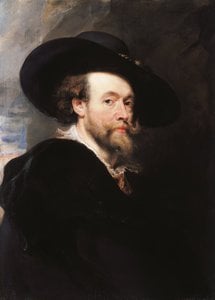
Pietro Paolo Rubense

Pietro Paolo Rubense

1577 - 1640 , Almanya

Kısa Bilgiler

  • Artistic Movement Or Style: Baroko
  • Artists Or Movements Influenced By This Artist:
    • Anthony van Dyck
    • Jacob Jordaens
  • Artists Who Influenced This Artist:
    • Michelangelo
    • Raphael
    • Titian
  • Date Of Birth: 28 Haziran 1577
  • Full Name: Sir Peter Paul Rubens
  • Nationality: Flamenko
  • Notable Artworks:
    • Çarmısta İndirme
    • Haç Yükseltilmesi
    • İsabella Brant Portresi
  • Place Of Birth: Siegen, Almanya