Önizleme yapÖnizleme yap AR ile önizleAR ile önizle El yapımı tablo satın al El yapımı tablo satın alDijital Görsele Geç Dijital Görsele Geç PaylaşPaylaş
Detayları GörDetayları Gör Favorilere ekle Favorilere ekle İndirİndir Benzerlerini görBenzerlerini gör X-IşınıX-Işını Slayt GösterisiSlayt Gösterisi İstatistiklerİstatistikler

Argus and Mercury

Experience the dramatic tension of Mercury confronting Argus in this breathtaking Baroque masterpiece by Peter Paul Rubens, a stunning display of light and myth that invites you to bring classical grandeur into your home.

Peter Paul Rubens: Barok sanatının zirvesi! İsa’nın çarmıhtan indirilmesini tasvir eden ikonik eserleriyle tanınır. Dinamik kompozisyonları ve canlı renkleriyle sanat tarihinin en etkileyici figürlerinden biri olarak unutulmaz bir miras bıraktı.

Giclée / Sanat Baskısı

Hızlı üretim ve esnek bitiş seçenekleriyle müze kalitesinde giclée veya kanvas baskı. (El yapımı tablo satın al El yapımı tablo satın alDijital Görsele Geç Dijital Görsele Geç)

P118B $10
P118H $10
P118W $10
P438Z $10
P508JH $12
P508YH $12
P805H $10
P805Z $10
P919BZ $10
P919G $10
P919XJ $10
P959ZH $10
P968JZ $12
W106C $8
W218G $10
W218JH $8
W218Y $10
W307PJ $10
W316G $10
W316PJ $8
W316Y $10
W398PJ $8
W4111J $10
W500HY $15
W500JH $15
W692G $12
W849H $8
W940BG $15
W953PJ $8

Standart
kişiye özel
CM
INCH

Eserin orijinal oranlarıyla uyumlu, önceden belirlenmiş boyutlarımız arasından seçim yapın.

genişlik
yükseklik

Belirli bir çerçeveye veya alana uyması için kendi ölçülerinizi girebilirsiniz. Seçtiğiniz boyut orijinal görüntünün oranlarıyla eşleşmiyorsa, sanat eserini kırpacağız veya görüntüyü aynalanmış ya da düz dolgulu bir kenarlıkla genişleteceğiz. Üretim başlamadan önce onayınız için bir dijital taslak gönderilecektir.
Lütfen ekrandaki önizlemenin gerçek kırpma veya genişletmeyi yansıtmadığını unutmayın. Nihai kompozisyonu yalnızca taslak doğru bir şekilde gösterecektir.
Özel boyutlar mevcut olsa da, orijinal oranları korumak için önceden tanımlanmış listeden bir boyut seçmenizi öneririz.

Dünya Çapında Teslimat (); standart 4/5 hafta yerine 2 haftada. (9 Eylül)

why_choose_icon
Dünya Çapında Ücretsiz Ekspres Kargo
why_choose_icon
Yüksek Kaliteli Keten Tuval
why_choose_icon
Tam Kapsamlı Nakliye Sigortası
why_choose_icon
Gümrük Vergisi İade Garantisi
why_choose_icon
Gerçek Renk Uyumu Garantisi
why_choose_icon
100 Günlük İade Politikası (Sadece Kusurlu Ürünler İçin)
why_choose_icon
%100 Para İade Garantisi
why_choose_icon
Toplu Alım İndirimi

Toplam Fiyat

$ 68

reproduction

Argus and Mercury

Giclée / Sanat Baskısı

Reproduksiyon Boyutu

-

Toplam Tutar

$ 68

Hızlı Bilgiler

  • Notable elements or techniques: Chiaroscuro lighting; Dynamic composition
  • Location: Gemäldegalerie Alte Meister, Dresden
  • Subject or theme: Greek mythology; Io and Argus
  • Movement: Baroque
  • Influences: Caravaggio
  • Dimensions: 63 x 87.5 cm
  • Artist: Peter Paul Rubens

Sanat Bilgisi Testi

Her soru için yalnızca bir doğru cevap bulunmaktadır.

Soru 1:
What artistic movement is Argus and Mercury associated with?
Soru 2:
Who painted Argus and Mercury?
Soru 3:
In what city is Argus and Mercury housed?
Soru 4:
What mythological tale does the painting depict?
Soru 5:
Rubens' use of chiaroscuro contributes to what effect in the artwork?

A Divine Encounter Captured in Motion

In the grand theater of the Baroque era, few artists possessed the ability to orchestrate a scene with as much visceral energy and psychological depth as Sir Peter Paul Rubens. His masterpiece, Argus and Mercury, is not merely a painting but a breathtaking moment frozen in time, capturing the precise instant where divine intervention meets mortal vigilance. Created between 1635 and 1638 during his prolific period in Dresden, this oil on panel work serves as a profound exploration of tension and transformation. The narrative, drawn from the rich tapestry of Ovid’s Metamorphoses, brings to life the high-stakes confrontation between Mercury, the swift messenger of the gods, and Argus Panoptes, the hundred-eyed giant tasked with an impossible vigil.

The composition is a masterclass in dramatic storytelling. As viewers gaze upon the canvas, they are drawn into a landscape where the boundaries between the celestial and the earthly blur. Rubens meticulously arranges his figures to guide the eye through a whirlwind of movement; we see the tension in the kneeling figure and the watchful presence of the surrounding elements. The inclusion of subtle details—the soft presence of cattle in the background and the delicate placement of birds—adds a layer of pastoral tranquility that contrasts sharply with the underlying mythological drama. It is a scene that demands attention, pulling the observer into a world where every shadow holds a secret and every light beam signals a change in destiny.

The Alchemy of Light and Texture

To behold Argus and Mercury is to witness the pinnacle of Rubensian technique. The artist utilizes the powerful tool of chiaroscuro—the dramatic interplay between profound shadows and radiant light—to sculpt his figures with an almost tactile three-dimensionality. This technique does more than create depth; it imbues the flesh of the protagonists with a luminous, pulsing warmth that seems to breathe within the frame. Rubens’ ability to manipulate light allows him to direct the viewer's emotional response, highlighting the vulnerability of the characters while casting much of the surrounding world into a mysterious, atmospheric gloom.

Beyond the play of light, the painting is a celebration of textural virtuosity. A discerning eye will note the incredible contrast between the smooth, silken sheen of Mercury’s garments and the rugged, organic textures of the natural world, such as the rough bark of the sheltering trees. This dedication to realism serves a higher purpose: it grounds the mythological subject matter in a palpable reality, making the divine encounter feel disturbingly present. For the collector or interior designer, this level of detail ensures that the artwork remains captivating from every angle, offering new discoveries with every glance.

A Timeless Legacy for the Discerning Collector

Beyond its technical brilliance, Argus and Mercury resonates with themes that remain eternally relevant: the struggle between observation and freedom, the weight of duty, and the sudden, transformative power of intervention. Rubens, a diplomat as much as a painter, understood how to weave complex intellectual narratives into visually stunning compositions. This painting is an embodiment of the Flemish Baroque spirit—exuberant, muscular, and deeply emotive.

For those seeking to infuse a space with historical gravity and artistic splendor, a high-quality reproduction of this work offers more than mere decoration; it provides a window into the soul of the 17th century. Whether placed in a grand library, a sophisticated study, or a curated gallery setting, the painting acts as a focal point of conversation and inspiration. It brings with it the prestige of the Dresden masters and the enduring magic of a myth brought to life through the brush of a titan.


Sanatçı Özgeçmişi

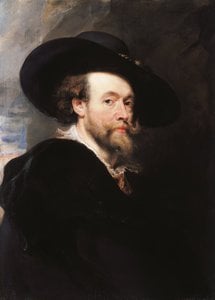
Sir Peter Paul Rubens: A Baroque Master!

Peter Paul Rubens, a name synonymous with the exuberant grandeur of the Baroque era, transcended mere artistic talent; he was a diplomat, scholar, and cultural architect whose indelible mark reshaped the visual landscape of 17th-century Europe. Born on June 28, 1577, in Siegen (Westphalia), Germany—a location reflecting his family’s turbulent origins—Rubens' early life unfolded amidst displacement, an experience that subtly imbued his oeuvre with a palpable sense of drama and emotional resonance. His father, Jan Rubens, a lawyer fleeing persecution for his Calvinist beliefs, abruptly relocated the family from Antwerp, then under Spanish dominion, fostering in young Peter Paul a resilience and adaptability that would prove invaluable throughout his multifaceted career. The untimely death of Jan Rubens in 1587 propelled the family back to Antwerp, where he received a humanist education before embarking on his artistic apprenticeship around 1590, honing foundational skills under Tobias Verhaecht and Adam van Noort—masters who instilled in him meticulous observation and technical precision.

The Italian Awakening: Absorbing Renaissance Genius

A pivotal moment arrived in 1600 when Rubens embarked upon a transformative pilgrimage to Italy – a journey that irrevocably cemented his artistic vision. For eight years, he immersed himself in the monumental masterpieces of Michelangelo, Raphael, and Titian, absorbing their unparalleled mastery of form, color, and composition. The influence of these Renaissance titans is unmistakably evident in Rubens’s formative Italian works, characterized by classical themes and idealized figures—a deliberate homage to the artistic ideals that had dominated Europe for centuries prior. Yet, Rubens didn't merely emulate; he synthesized these influences with his innate genius, forging a distinctive style marked by vibrant hues, dynamic compositions, and a sensual depiction of the human form. He undertook exhaustive anatomical studies, resulting in figures imbued with both physical realism and profound emotional depth—a hallmark of Baroque art’s ambition to capture the complexities of human experience. This period wasn't solely focused on artistic technique; it represented an intellectual awakening, fostering a deep appreciation for classical mythology and literature which would become recurring motifs throughout his prolific output.

Antwerp: Establishing Artistic Dominance

Returning to Antwerp in 1608 following news of his mother’s passing—a deeply personal tragedy that profoundly impacted him—Rubens swiftly established himself as the undisputed artistic leader of his time, securing commissions from influential patrons and cementing his reputation as a visionary artist. Recognizing the burgeoning potential of his talent, he commissioned a magnificent studio designed in the Italian Renaissance style by Peter Paul Wreneman – a space meticulously crafted to facilitate experimentation and inspire creativity. He married Isabella Brandt in 1610, forging a partnership that would endure until her untimely death in 1640—a loss that devastated Rubens and fueled his artistic fervor. During this period, he served as court painter to the Archduke Albert and Isabella of Austria, skillfully navigating the political intricacies of Habsburg rule while simultaneously producing an astonishing array of artworks – including monumental altarpieces for churches across Flanders and Brabant.

A Diplomatic Career Alongside Artistic Creation

Beyond his artistic pursuits, Rubens possessed remarkable diplomatic acumen—a skill honed during his service to the Spanish Crown and subsequently utilized in negotiations with Protestant factions during the Eighty Years’ War. His unwavering commitment to diplomacy underscored his multifaceted intellect and broadened his perspective on European affairs – a duality that enriched both his personal life and his artistic output. Notably, he undertook a daring mission to England in 1620-1621, securing royal patronage for his art and bolstering the Habsburg cause amidst escalating tensions with Protestant powers. His involvement in the decoration of Whitehall Palace—a project fraught with challenges posed by Cardinal Richelieu—demonstrated his artistic prowess alongside his political savvy.

Legacy: Shaping Baroque Art Forever

Rubens’s influence on subsequent generations of artists is undeniable; painters like Anthony van Dyck, Jacob Jordaens, and Eugène Delacroix recognized him as a beacon of inspiration – absorbing his masterful technique and embracing his dynamic compositional style. His legacy extends far beyond the canvases he created—he elevated painting to new heights of prestige and artistic innovation, establishing Antwerp as a vibrant epicenter of Baroque art production during the 17th century. Sir Peter Paul Rubens remains, centuries later, an enduring symbol of artistic genius and Baroque splendor – a testament to the transformative power of creativity and the indelible imprint left upon European cultural history. His monumental works continue to captivate audiences worldwide, ensuring that his vision—characterized by dynamism, color, and profound emotional depth—will resonate for generations to come.
Pietro Paolo Rubense

Pietro Paolo Rubense

1577 - 1640 , Almanya

Kısa Bilgiler

  • Artistic Movement Or Style: Baroko
  • Artists Or Movements Influenced By This Artist:
    • Anthony van Dyck
    • Jacob Jordaens
  • Artists Who Influenced This Artist:
    • Michelangelo
    • Raphael
    • Titian
  • Date Of Birth: 28 Haziran 1577
  • Full Name: Sir Peter Paul Rubens
  • Nationality: Flamenko
  • Notable Artworks:
    • Çarmısta İndirme
    • Haç Yükseltilmesi
    • İsabella Brant Portresi
  • Place Of Birth: Siegen, Almanya
Temalara, stillere ve özelliklere göre düzenlenmiş sanat eserlerini keşfedin.