Önizleme yapÖnizleme yap AR ile önizleAR ile önizle El yapımı tablo satın al El yapımı tablo satın alDijital Görsele Geç Dijital Görsele Geç PaylaşPaylaş
Detayları GörDetayları Gör Favorilere ekle Favorilere ekle İndirİndir Benzerlerini görBenzerlerini gör X-IşınıX-Işını Slayt GösterisiSlayt Gösterisi İstatistiklerİstatistikler

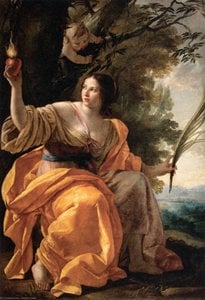
POLYMNIE, MUSE DE L'ELOQUENCE

Simon Vouet's 'Polymnie, Muse of Eloquence' is a stunning Baroque masterpiece depicting the goddess of eloquence. Admire its rich colors, dynamic composition & mythological subject on luxurious art prints.

Simon Vouet'nin (1590-1649) yaşamını ve sanatını keşfedin; İtalyan stillerini tanıtarak 17. yüzyıl Fransız sanatını şekillendiren kilit bir Barok ressam.

Giclée / Sanat Baskısı

Hızlı üretim ve esnek bitiş seçenekleriyle müze kalitesinde giclée veya kanvas baskı. (El yapımı tablo satın al El yapımı tablo satın alDijital Görsele Geç Dijital Görsele Geç)

P118B $10
P118H $10
P118W $10
P438Z $10
P508JH $12
P508YH $12
P805H $10
P805Z $10
P919BZ $10
P919G $10
P919XJ $10
P959ZH $10
P968JZ $12
W106C $8
W218G $10
W218JH $8
W218Y $10
W307PJ $10
W316G $10
W316PJ $8
W316Y $10
W398PJ $8
W4111J $10
W500HY $15
W500JH $15
W692G $12
W849H $8
W940BG $15
W953PJ $8

Standart
kişiye özel
CM
INCH

Eserin orijinal oranlarıyla uyumlu, önceden belirlenmiş boyutlarımız arasından seçim yapın.

genişlik
yükseklik

Belirli bir çerçeveye veya alana uyması için kendi ölçülerinizi girebilirsiniz. Seçtiğiniz boyut orijinal görüntünün oranlarıyla eşleşmiyorsa, sanat eserini kırpacağız veya görüntüyü aynalanmış ya da düz dolgulu bir kenarlıkla genişleteceğiz. Üretim başlamadan önce onayınız için bir dijital taslak gönderilecektir.
Lütfen ekrandaki önizlemenin gerçek kırpma veya genişletmeyi yansıtmadığını unutmayın. Nihai kompozisyonu yalnızca taslak doğru bir şekilde gösterecektir.
Özel boyutlar mevcut olsa da, orijinal oranları korumak için önceden tanımlanmış listeden bir boyut seçmenizi öneririz.

Dünya Çapında Teslimat (); standart 4/5 hafta yerine 2 haftada. (9 Eylül)

why_choose_icon
Dünya Çapında Ücretsiz Ekspres Kargo
why_choose_icon
Yüksek Kaliteli Keten Tuval
why_choose_icon
Tam Kapsamlı Nakliye Sigortası
why_choose_icon
Gümrük Vergisi İade Garantisi
why_choose_icon
Gerçek Renk Uyumu Garantisi
why_choose_icon
100 Günlük İade Politikası (Sadece Kusurlu Ürünler İçin)
why_choose_icon
%100 Para İade Garantisi
why_choose_icon
Toplu Alım İndirimi

Toplam Fiyat

$ 68

reproduction

POLYMNIE, MUSE DE L'ELOQUENCE

Giclée / Sanat Baskısı

Reproduksiyon Boyutu

-

Toplam Tutar

$ 68

Hızlı Bilgiler

  • Artist: Simon Vouet
  • Location: Louvre, Paris
  • Medium: Oil on canvas
  • Artistic style: Classical, Baroque
  • Influences:
    • Caravaggio
    • Veronese
  • Movement: Baroque
  • Year: 1625-1626

Sanat Bilgisi Testi

Her soru için yalnızca bir doğru cevap bulunmaktadır.

Soru 1:
What mythological figure is depicted in Simon Vouet’s ‘Polymnie, Muse of Eloquence’?
Soru 2:
The painting is primarily executed in what Baroque style?
Soru 3:
What architectural element dominates the background of the painting, contributing to a sense of grandeur?
Soru 4:
The use of strong vertical lines in the painting primarily serves to:
Soru 5:
Simon Vouet was particularly influential in introducing which artistic style to France?

Simon Vouet’s *Polymnie, Muse of Eloquence*: A Baroque Masterpiece of Rhetoric and Grace

Within the hallowed halls of the Louvre resides a captivating portrait – *Polymnie, Muse of Eloquence* by Simon Vouet, a pivotal work that embodies the burgeoning spirit of the French Baroque. Painted in 1627, this oil-on-canvas masterpiece transcends mere representation; it’s an invitation into a world of intellectual pursuit, divine inspiration, and the very essence of eloquent speech. Vouet, having spent formative years immersed in the artistic fervor of Italy, masterfully translated the Italian Baroque style to France, establishing himself as the leading painter of his era.

The subject itself, Polymnie, holds a significant place within Greek mythology. She represents eloquence and persuasive speech – the power to articulate ideas with precision and beauty. Vouet’s depiction isn't simply a portrait; it’s an allegorical representation of her role as a guiding force for artists, poets, and anyone seeking mastery of language. The composition is meticulously balanced, adhering to the classical principles of symmetry and proportion that defined much of Italian art, yet infused with the dynamism and emotional intensity characteristic of the Baroque.

A Symphony of Color and Light: Technique and Style

Vouet’s technical prowess is immediately apparent. He employs a masterful blend of *sfumato*, a technique popularized by Leonardo da Vinci, to create soft transitions between colors and forms, lending an ethereal quality to the scene. The palette is dominated by cool blues and whites – reminiscent of classical marble and evoking a sense of serenity and wisdom – punctuated by warm flesh tones that draw attention to Polymnie’s face and figure. Notice how he uses light not just to illuminate, but to sculpt the form, creating a palpable sense of volume and depth.

The artist's brushwork is remarkably subtle, contributing to the painting’s polished appearance. He skillfully layered colors and employed glazing techniques to achieve luminous effects, particularly in the drapery which flows with an almost liquid grace. The architectural backdrop, rendered in muted browns and golds, provides a stately setting for Polymnie, reinforcing her status as a divine muse. The use of linear perspective creates a convincing illusion of depth, drawing the viewer into the scene.

Symbolism and Allegory: Unpacking the Layers

Beyond the immediate beauty of the portrait lies a rich tapestry of symbolism. The two cherubic figures flanking Polymnie are not merely decorative; they represent divine favor and perhaps even creative assistance – embodiments of inspiration itself. The scroll offered by one cherub symbolizes the written word, while the musician’s instrument represents the power of music to convey emotion and ideas. The lion statue at the base of the pedestal is a potent symbol of strength, guardianship, and wisdom—qualities closely associated with eloquence.

Furthermore, Polymnie's pose – seated on a throne-like structure adorned with classical motifs – speaks volumes about her elevated status. The arrangement mirrors the iconography of the *Iconologia* by Cesare Ripa, a widely influential treatise on visual symbolism that informed much of the art produced during this period. Vouet’s painting is thus deeply rooted in a tradition of allegorical representation.

A Timeless Masterpiece: Emotional Impact and Legacy

*Polymnie, Muse of Eloquence* isn't simply a beautiful painting; it’s an invitation to contemplate the power of language, the pursuit of knowledge, and the role of art in shaping human understanding. The serene expression on Polymnie’s face conveys both wisdom and grace, inviting viewers to engage with her as a symbol of intellectual and artistic excellence. Vouet's work continues to resonate today, demonstrating his mastery of technique, his profound understanding of symbolism, and his ability to capture the essence of human experience.

Reproductions of this iconic artwork offer an exceptional opportunity to bring its beauty and depth into any setting, serving as a constant reminder of the enduring power of eloquence and artistic inspiration.


Sanatçı Özgeçmişi

Simon Vouet: Fransız Barok Resminin Öncüsü

  • Doğum: 9 Ocak 1590, Paris, Fransa
  • Vefat: 30 Haziran 1649, Paris, Fransa

Simon Vouet, Fransız resminin Maniyerizm'den Barok tarzına geçişindeki kilit bir figürdü. Sanatçı bir ailede doğdu; babası Laurent ressamdı ve erkek kardeşi Aubin de sanata yönelmişti. Vouet, gelecekteki başarısının temelini atan erken eğitim aldı. Torunu Ludovico Dorigny ise ailenin sanatsal mirasını sürdürecekti.

Erken Kariyeri ve İtalyan Etkileri (1608-1627)

  • Erken Portre Çalışmaları: Vouet, kariyerine bir portre sanatçısı olarak başlayarak erken yeteneğini gösterdi.
  • İngiltere Seyahati (1608): Henüz 14 yaşındayken, gelişmekte olan şöhretini sergilemek amacıyla sipariş üzerine bir portre resmini yapmak için İngiltere'ye seyahat etti.
  • Osmanlı İmparatorluğu ve Venedik: 1611'de Vouet, yine portre çalışmaları için Fransız elçisi Baron de Sancy'nin heyetine katıldı. Bu yolculuk onu önce Konstantinopolis'ten sonra 1612'de Venedik'e götürdü.
  • Roma (1614-1627): Roma'daki zamanı dönüştürücü oldu. On üç yıl orada kalarak, yükselen Barok döneminin canlı sanatsal atmosferine kendini kaptırdı.

İtalyan konaklaması sırasında Vouet, çeşitli etkileri özümsedi. Caravaggio tarafından öncülük edilen dramatik ışıklandırma tekniklerini inceledi, İtalyan Maniyerizmi unsurlarını benimsedi ve Paolo Veronese'nin kullandığı renk paletlerini ve di sotto in su (perspektif) tekniğini titizlikle analiz etti. Ayrıca Carracci, Guercino, Lanfranco ve Guido Reni'nin eserlerinden de ilham alarak bu çeşitli stilleri eşsiz bir sanatsal vizyonda sentezledi.

Vouet’nin Özgün Tarzının Gelişimi

  • Accademia di San Luca'ya Seçilmesi (1624): Roma'daki başarısı, onun prestijli Accademia di San Luca başkanlığına seçilmesiyle taçlandı; bu durum İtalyan sanat dünyasındaki becerisinin ve tanınırlığının bir kanıtıydı.
  • Etkilerin Sentezi: Vouet'nin tarzı, çeşitli sanatsal etkileri özümseme ve damıtma yeteneğiyle karakterizeydi. Sadece kopyalamadı; bu unsurları tutarlı ve belirgin bir şekilde İtalyan Barok estetiğine entegre etti.
  • Barok'un Fransa'ya Tanıtılması: 1627'de Fransa'ya döndüğünde, Vouet İtalyan Barok stilini Fransız resmine taşıma konusunda kritik bir rol oynayarak ülkenin sanatsal manzarasını önemli ölçüde etkiledi.

Başlıca Başarıları ve Mirası

  • Premier Peintre du Roi: Vouet, Premier peintre du Roi (Kral'ın Birinci Ressamı) olarak atandı; bu, büyük bir prestij ve etki sahibi bir makamdı.
  • Verimli Atölye: Büyük ve aktif bir atölye sürdürdü; sonraki nesil Fransız ressamlarını şekillendirecek çok sayıda sanatçı yetiştirdi.
  • Önemli Öğrencileri: En etkili öğrencilerinden bazıları Charles Le Brun (daha sonra Versailles'taki tüm dekoratif resimden sorumlu oldu), Valentin de Boulogne, Charles Alphonse du Fresnoy, Pierre Mignard, Eustache Le Sueur ve Claude Mellan idi.
  • Fransız Sanatına Etkisi: Vouet'nin etkisi kendi eserleriyle sınırlı kalmadı; öğrencileri onun tarzını ve tekniklerini tüm Fransa'ya taşıyarak belirgin bir şekilde Barok resim okulu kurdu. Onun etkisi, özellikle Louis XIV tarafından sipariş edilen görkemli dekoratif düzenlemelerde açıkça görülmektedir.

Tarihsel Önemi

Simon Vouet'nin mirası, İtalyan ve Fransız sanatı arasındaki köprüdeki kilit rolüne dayanır. İtalyan Barok'un dinamizmini ve ihtişamını başarıyla ithal ederek, onu Fransız sarayının ve aristokrasisinin zevkleriyle yankı uyandıran bir stile dönüştürdü. Onun etkisi, 17. yüzyılda Fransız resminin gelişiminde yadsınamazdır ve katkıları bugün hala sanat tarihçileri tarafından takdir edilmektedir.

Simon Vouet

Simon Vouet

1590 - 1649 , Fransa

Kısa Bilgiler

  • Artistic Movement Or Style: Barok resim
  • Artists Or Movements Influenced By This Artist:
    • Charles Le Brun
    • Valentin de Boulogne
    • Fransız Barok resmi
  • Artists Who Influenced This Artist:
    • Caravaggio
    • Paolo Veronese
    • Carracci
    • Guercino
    • Lanfranco
    • Guido Reni
  • Date Of Birth: 9 Ocak, 1590
  • Date Of Death: 30 Haziran, 1649
  • Full Name: Simon Vouet
  • Nationality: Fransız
  • Place Of Birth: Paris, Fransa
Temalara, stillere ve özelliklere göre düzenlenmiş sanat eserlerini keşfedin.