ÜCRETSİZ SANAT DANIŞMANLIĞI

x
Baskıyı satın al Baskıyı satın alGörseli Satın Al Görseli Satın Al PaylaşPaylaş
DetaylarDetaylar Favorilere ekle Favorilere ekle İndirİndir Benzerlerini görBenzerlerini gör X-IşınıX-Işını Slayt GösterisiSlayt Gösterisi

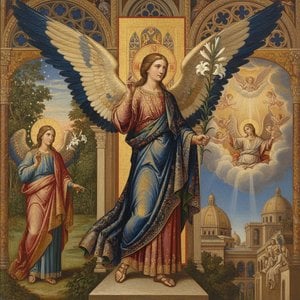
The Annunciation

Witness the divine! Sandro Botticelli’s "Annunciation" (1489-90) captures Gabriel's momentous announcement to Mary, a masterpiece of Early Renaissance art in Florence.

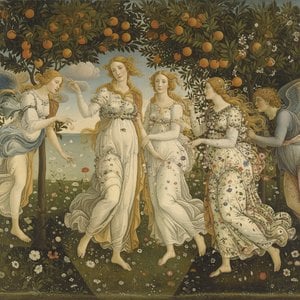
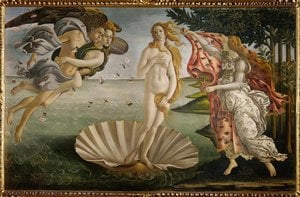
Rönesansın büyüleyici ressamı Sandro Botticelli'yi keşfedin! 'Venüs'ün Doğuşu' ve 'İlkbahar' gibi başyapıtlarıyla tanınan Botticelli, mitolojiyle harmanladığı zarif tarzıyla sanat tarihine damgasını vurmuştur.

El Yapımı Yağlı Boya Reproduksiyon

Sanatçılarımız tarafından sipariş üzerine hazırlanan; istediğiniz boyut ve çerçevede, tuval üzerine el boyaması yağlı boya.

P118B $10
P118H $10
P118W $10
P438Z $10
P508JH $12
P508YH $12
P805H $10
P805Z $10
P919BZ $10
P919G $10
P919XJ $10
P959ZH $10
P968JZ $12
W106C $8
W218G $10
W218JH $8
W218Y $10
W307PJ $10
W316G $10
W316PJ $8
W316Y $10
W398PJ $8
W4111J $10
W500HY $15
W500JH $15
W692G $12
W849H $8
W940BG $15
W953PJ $8

Standard
custom
CM
INCH

Eserin orijinal oranlarıyla uyumlu, önceden belirlenmiş boyutlarımız arasından seçim yapın.

genişlik
yükseklik

Belirli bir çerçeveye veya alana uyması için kendi boyutlarınızı girebilirsiniz. Seçtiğiniz boyut orijinal görüntünün oranlarıyla eşleşmiyorsa, sanat eserini kırparak veya ek el boyaması öğelerle resmi uzatarak ayarlayacağız. Üretim başlamadan önce onayınız için dijital bir taslak gönderilecektir.
Lütfen ekrandaki önizlemenin gerçek kırpmayı veya uzatmayı yansıtmadığını unutmayın. Nihai kompozisyonu yalnızca hazırlanan taslak doğru şekilde gösterecektir.
Özel boyutlar mevcut olsa da, orijinal oranları korumak adına önceden tanımlanmış listeden bir boyut seçmenizi öneririz.

Değiştirilebilecek örneklere dair: Yüzün müşteri fotoğrafıyla değiştirilmesi; Evcil hayvan eklenmesi (örneğin kedinin köpek ile değiştirilmesi); Arka plana gizli bir mesaj dahil edilmesi; Arka plan manzarasının veya öğelerinin değiştirilmesi.
Siparişten sonra, WahooArt.com ekibi talimatlar için müşteriye e-posta gönderecek ve bir taslak önizleme sunacaktır

Dünya Çapında Teslimat (); standart 5 hafta yerine 3/4 haftada. (3 Temmuz). Kaliteden ödün verilmez.

why_choose_icon
Dünya Çapında Ücretsiz Ekspres Kargo
why_choose_icon
Yüksek Kaliteli Keten Tuval
why_choose_icon
Tam Kapsamlı Nakliye Sigortası
why_choose_icon
Gümrük Vergisi İade Garantisi
why_choose_icon
Gerçek Renk Uyumu Garantisi
why_choose_icon
60 Günlük İade Politikası (Sadece Kusurlu Ürünler İçin)
why_choose_icon
%100 Para İade Garantisi
why_choose_icon
Toplu Alım İndirimi

Toplam Fiyat

-

reproduction

The Annunciation

Reproduksiyon Tekniği

Reproduksiyon Boyutu

-

Toplam Tutar

-

Hızlı Bilgiler

  • Year: 1489-1490
  • Influences:
    • Classical texts
    • Humanism
  • Artist: Sandro Botticelli
  • Movement: Early Renaissance
  • Title: The Annunciation
  • Subject or theme: Annunciation story
  • Location: Uffizi Gallery, Florence

Sanat Bilgisi Testi

Her soru için yalnızca bir doğru cevap bulunmaktadır.

Soru 1:
What is the primary subject depicted in Sandro Botticelli’s ‘The Annunciation’?
Soru 2:
The painting features a complex composition divided by what element?
Soru 3:
What is the significance of the Latin text found beneath the original frame of ‘The Annunciation’?

Eser Açıklaması

The Annunciation: A Florentine Vision of Divine Grace

Sandro Botticelli’s “The Annunciation,” painted circa 1489-1490 and now residing within the hallowed halls of the Uffizi Gallery in Florence, is more than just a depiction of a pivotal biblical moment; it's a shimmering distillation of Renaissance ideals – a harmonious blend of classical elegance, burgeoning humanism, and profound spiritual contemplation. This tempera painting, commissioned by the church of the Florentine convent of Cestello, offers a glimpse into Botticelli’s unique artistic vision, one that resonated deeply with his contemporaries and continues to captivate viewers centuries later.

At first glance, the scene unfolds within a meticulously rendered garden setting, a space both earthly and imbued with an ethereal quality. The composition is cleverly divided by a series of elegant pillars, creating two distinct zones: on one side stands the Archangel Gabriel, depicted in motion as he approaches Mary, his gesture conveying urgency and divine revelation. His robes are rich in color – deep blues and purples signifying his celestial origin – while his face holds an expression of solemnity and reverence. Opposite him, we find Mary kneeling at her prie-dieu, a simple wooden bench that symbolizes her humility and devotion. Her posture is one of quiet contemplation as she receives Gabriel’s momentous announcement.

Beneath the figures, the floor is covered with an intricate geometric pattern – a hallmark of Botticelli's style. These repeating shapes aren’t merely decorative; they create a powerful illusion of depth and perspective, drawing the eye into the heart of the scene and reinforcing the sense of spatial harmony. Notably, beneath the original frame of the painting were inscribed words from St. Luke’s Gospel: ‘The Holy Ghost shall come upon thee, and the power of the Highest shalt thou overshadow; therefore also that holy thing which shall be born of thee shall be called the Son of God.’ This inscription underscores the central theological message of the work – the miraculous conception of Jesus through Mary.

Botticelli’s Renaissance Synthesis

Botticelli's artistic journey was deeply influenced by a confluence of factors that defined the Florentine Renaissance. The rediscovery of classical texts and artifacts, particularly those from Greece and Rome, fueled his fascination with idealized beauty and harmonious proportions. Simultaneously, the rise of humanism—a philosophical movement emphasizing human potential and earthly experience—encouraged artists to explore themes of mythology and virtue alongside religious subjects. Botticelli masterfully synthesized these influences in “The Annunciation,” creating a work that is both profoundly spiritual and strikingly beautiful.

He drew upon late Italian Gothic traditions, evident in the flowing drapery and delicate figures, yet he also embraced the innovations of the burgeoning Renaissance, notably the development of linear perspective. This technique—which creates an illusion of depth on a flat surface—is subtly employed here to enhance the painting’s realism and spatial coherence. Botticelli's use of color is equally noteworthy; he favored rich, vibrant hues – particularly blues and reds – that contribute to the work’s overall luminosity and emotional impact.

Symbolism and Spiritual Depth

Beyond its formal beauty, “The Annunciation” is laden with symbolic meaning. The garden setting itself represents paradise, a realm of innocence and divine grace. Gabriel's presence signifies God’s intervention in human affairs, while Mary’s acceptance embodies her willingness to embrace her destiny as the Mother of God. The inclusion of two cherubs—one near the top and another closer to the bottom—adds a touch of youthful exuberance and reinforces the miraculous nature of the event.

The painting also subtly references classical mythology, particularly the story of Joachim and Anna, the biblical parents of Mary. This connection adds layers of meaning and underscores the theme of divine providence – the belief that God orchestrates events in accordance with his plan. The overall effect is a profound meditation on faith, humility, and the transformative power of grace.

Reproductions: Bringing Botticelli’s Vision to Life

Botticelli's “The Annunciation” remains one of the most beloved and enduring works of the Early Renaissance. Its exquisite beauty, intricate detail, and profound symbolism continue to inspire artists and captivate audiences worldwide. WahooArt offers meticulously crafted, hand-painted reproductions that faithfully capture the essence of this masterpiece. Our skilled artisans utilize only the finest materials – traditional oil paints on archival canvas – to create stunning replicas that will grace your home or office for generations to come.

Whether you are a discerning collector, an art enthusiast, or simply seeking a timeless work of art to enhance your space, our “The Annunciation” reproduction provides an unparalleled opportunity to experience the beauty and spiritual depth of Botticelli’s vision. Visit https://WahooArt.com today to explore our selection and bring this iconic masterpiece into your life.


Sanatçı Özgeçmişi

Alessandro Filipepi: Rönesansın Zarafet ve Mitoloji Üstadı Sandro Botticelli

Floransa’nın kalbinde, 1445 yılında doğan Alessandro di Mariano di Vanni Filipepi, sanat tarihine Sandro Botticelli olarak geçecek bir dâhinin ilk adımıydı. Ognissanti mahallesinde büyüyen genç Alessandro, kısa sürede “Küçük Fıçı” lakabıyla tanınacak ve Floransa’nın o dönemki canlı sanat atmosferi içinde kendine özgü bir yer edinecekti. Babasının önce kuyumculuk, sonra dericilik mesleği, onun ince işçiliğe olan ilgisini şekillendirirken, Fra Filippo Lippi'nin atölyesinde aldığı resim eğitimi ise yeteneğini parlatma fırsatı sundu. Bu dönemde Medici ailesi gibi güçlü patronlarla tanışması, sanatının gelişiminde önemli bir rol oynadı.

Botticelli’nin sanatsal tarzı, geç Gotik gelenekleri ve yükselen Rönesans estetiği arasında ustaca bir köprü kurdu. Fra Angelico ve Paolo Uccello gibi ustalardan etkilenmiş olsa da, kendine has bir vizyonla onları aştı. Eserlerinde zarif çizgiler, akıcı formlar ve yumuşak renk kullanımı ön plana çıkarken, figürleri mistik bir güzellikle canlandırdı. Botticelli’nin en belirgin özelliklerinden biri, eserlerine sıkça mitolojik ögeler katmasıydı. Antik Yunan ve Roma mitolojisinden ilham alarak aşk, güzellik ve ruhani arayış gibi evrensel temaları işledi. Bu sadece bir illüstrasyon değil, aynı zamanda antik hikâyelere yeni anlamlar yükleme çabasıydı.

Teknik açıdan Botticelli, döneminin ötesine geçen yenilikler getirdi. Gümüş kalem tekniğiyle yaptığı ön çizimler, eserlerine ışık ve detay katarken, tempera boyaların kullanımı canlı renklerin elde edilmesini sağladı. Daha sonra yağlı boyalara yönelmesi ise ifade olanaklarını genişletti. Venüs'ün Doğuşu (1482-1486) ve Primavera (İlkbahar) gibi başyapıtları, kompozisyon yeteneğini, atmosferik derinlik yaratma becerisini ve insan duygularını anlamasını gözler önüne seriyor. Venüs'ün Doğuşu, Rönesans ideallerini somutlaştıran bir alegori olarak sanat tarihinde ölümsüzleşirken, Primavera ise karmaşık sembolizmiyle izleyiciyi büyülemeye devam ediyor.

Sanatının farklı evreleri gözlemlenebilir. 1470’lerin başında dini konulara yoğunlaşarak teknik becerilerini geliştirdi ve ün kazandı. 1480’ler, yaratıcılığının zirvesi olarak kabul edilirken, bu dönemde mitolojik başyapıtlarını yarattı. Ancak 1490’ların sonu, Girolamo Savonarola'nın ateşli vaazlarının etkisiyle sanatsal bir dönüşüme işaret etti. Bu dönem eserlerinde daha sade ve duygusal bir ifade tarzı hakim oldu, ruhani yoğunluk ön plana çıktı. Örneğin, Gizemli Doğuş (1501) bu değişimin önemli bir göstergesi.

Botticelli’nin Mirası ve Yeniden Keşfi

Sanatçının 1510'daki ölümünden sonra ünü giderek azaldı. Yaklaşık üç yüzyıl boyunca unutulmaya yüz tutan Botticelli, 19. yüzyılın sonlarında İngiliz sanatçı grubu Pre-Raphaelite Brotherhood’un ilgisiyle yeniden keşfedildi. Bu grup, akademik kuralları reddederek İtalyan Rönesansının erken dönemlerine yöneldi ve Botticelli'nin zarif çizgilerini, canlı renklerini ve şiirsel duyarlılığını takdir etti.

Bu yeniden değerlendirme, sanat tarihine olan katkısını ortaya koyarak onu Erken Rönesans’ın en önemli sanatçılarından biri olarak kabul edilmesini sağladı. Günümüzde Botticelli, eşsiz sanatsal vizyonu, ustalıkla kullandığı teknikler ve güzelliği, duyguyu ve ruhani düşünceyi uyandırma yeteneğiyle tanınıyor. Eserleri, sonraki nesillere ilham vermeye devam ediyor ve Floransa sanatının sembolü olarak kalbimizde yaşamaya devam ediyor.

Başlıca Eserler

  • Venüs'ün Doğuşu (c. 1486): Rönesans güzellik ideallerini somutlaştıran ikonik bir tasvir.
  • Primavera (İlkbahar) (c. 1482): Baharı ve aşkı kutlayan karmaşık bir alegorik resim.
  • Magi'lerin Tapınışı (1475-1476): Kompozisyon ve perspektif konusundaki erken dönem ustalığını sergiliyor.
  • Gizemli Doğuş (1501): Kariyerinin sonuna doğru ruhani temalara yöneldiğinin bir yansıması.
Sandro Botticelli

Sandro Botticelli

1445 - 1510 , İtalya

Kısa Bilgiler

  • Doğum Tarihi: 1 Mart 1445
  • Doğum Yeri: Floransa, İtalya
  • Etkilenen Sanatçılar:
    • Fra Angelico
    • Paolo Uccello
  • Notable Eserler:
    • Venüs'ün Doğuşu
    • İlkbahar
    • Müneccim Kralların Tapınağı
  • Sanat Akımları: ['Pre-Raphaelite']
  • Sanatsal Akım: Erken Rönesans
  • Tam Adı: Alessandro di Mariano Filipepi
  • Uyruk: İtalyan
  • Ölüm Tarihi: 17 Mayıs 1510
Temalara, stillere ve özelliklere göre düzenlenmiş sanat eserlerini keşfedin.