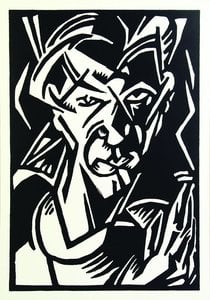
Sandor Bortnyik: Gölgelerin ve Sembolizmin Dokumacısı
Sandor Bortnyik (1893-1976), Macar sanat tarihinin en derin gizemli figürlerinden biri olmaya devam ediyor; eserleri, sembolizm, dışavurumculuk ve mimari hassasiyetin güçlü bir karışımıyla yankılanan büyüleyici bir sanatçı. O dönem Macaristan Krallığı'nın bir parçası olan Transilvanya, Marosvásárhely'de dünyaya gelen Bortnyik'in yaşamı, yerinden edilmeler ve sanatsural evrimlerle damgalanmış, bu süreç onu neslinin en özgün seslerinden biri haline getirmiştir. Onun mirası sadece geniş bir resim ve grafik tasarım külliyatında değil, aynı zamanda Bauhaus ilkeleri çerçevesinde yeni bir Macar sanatçı dalgasını besleyen bir eğitimci olarak üstlendiği kilit rolde de yatmaktadır.
İlk Yıllar ve Etkiler
Bortnyik'in sanatsal eğitimi, Budapeşte'de Fauvist hareketin canlı enerjisine kapılmasıyla başladı. Ancak Birinci Dünya Savaşı sonrası yaşanan siyasi çalkantılar onu sürgüne zorladı ve nihayetinde 1922 yılında Weimar yolunu tutmasına neden oldu. Bu yer değişikliği dönüştürücü bir nitelik taşıyarak, onu Bauhaus okulunun devrimci ortamıyla iç içe geçirdi. İşlevsellik, geometrik soyutlama ve zanaatkarlığa odaklanan ilkeler, sanatçının gelişimini derinden etkiledi. Johannes Itten ve Lyonel Feininger gibi ustaların yanında eğitim alırken, onların felsefelerini özümserken aynı zamanda kendi benzersiz görsel dilini inşa etti. Kübizmin etkisi, özellikle formların parçalanması ve çoklu perspektiflerin keşfiyle erken dönem eserlerinde açıkça görülür; bu teknik, daha sonra sembolik imgelerle ustalıkla bütünleştireceği bir unsur haline gelecektir.
Ticari Sanat ve Grafik Tasarımın Ustası
Avangart hareketlerle olan bağına rağmen, Bortnyik'in kariyeri ticari sanat dünyasıyla ayrılmaz bir şekilde bağlantılıydı. Savoly gibi parfüm üreticilerinden Modiano gibi sigara şirketlerine kadar çok çeşitli müşteriler için çarpıcı görsel iletişimler yaratarak, kısa sürede aranan bir afiş tasarımcısı olarak kendini kanıtladı. Bu afişler sadece birer reklam değil; cesur renkler, dinamik kompozisyonlar ve genellikle melankoli ya da bir önsezi hissiyle bezeli minyatür sanat eserleridir. Tasarımları, modernist-konstrüktivist estetiği Macar pazarına tanıtarak dönemine göre son derece yenilikçiydi.
Atölye ve Bauhaus Mirası
1928 yılında Bortnyik, Budapeşte'de Macar sanatsal yetenekleri için kritik bir kuluçka merkezi haline gelen “Atölye”yi (Mühely) kurdu. Bauhaus ilkelerinden yoğun bir şekilde yararlanarak; malzemeler, teknikler ve kavramsal yaklaşımlarla denemeler yapmayı teşvik etti. Müfredatı, bir yenilik ruhu besledi ve öğrencilerini geleneksel sanat yapma biçimlerini sorgulamaya yönlendirdi. Ayrıca 1949'dan 1956'ya kadar Macar Güzel Sanatlar Akademisi'nin direktörlüğünü yürüterek savaş sonrası Macaristan'ın sanatsal manzarasını şekillendirdi. Eğitime olan bağlılığı resmi öğretimin ötesine geçti; öğrencilerini sanat ve tasarımın uluslararası gelişmelerine maruz bırakmaya çalışarak, yaratıcı pratiklerini zenginleştiren kültürlerarası bir diyalog kurdu.
Ölüm, Dönüşüm ve Kentsel Manzara Temaları
Bortnyik'in külliyatı; ölüm, çürüme ve dönüşüm temalarıyla derinlemesine meşgul olur. Genellikle “tünel resimleri” olarak adlandırılan en ünlü eserleri, çarpık figürler, parçalanmış formlar ve yaygın bir huzursuzluk hissiyle dolu klostrofobik mekanları tasvir eder. Bu imgeler, ölümlülüğe duyulan hayranlığı ve insan varoluşunun kırılganlığını yansıtarak modernitenin psikolojik kaygılarını uyandırır. Koyu renklerin kullanımı, dramatik ışıklandırma ve kafatasları, çürüyen çiçekler ile yalnız figürler gibi sembolik imgeler, derin bir melankoli atmosferi yaratır. Yine de bu karanlığın ortasında, genellikle bir umut veya direnç parıltısı bulunur; bu da yenilenme ve yeniden doğuş olasılığına işaret eder. Resimleri sıklıkla kentsel manzaraları betimleyerek modern yaşamın izolasyonunu ve yabancılaşmasını yakalarken, aynı zamanda şehrin gölgelerinde gizlenen güzelliği ve gizemi de keşfeder.
Bortnyik'in çalışmaları; büyüleyici güzelliği, teknik ustalığı ve insanlık durumuna dair derin araştırmaları nedeniyle incelenmeye ve takdir edilmeye devam ediyor. Sanatçı, sanatsal vizyonun gücünün ve Bauhaus hareketinin kalıcı mirasının bir kanıtı olarak Macar sanat tarihinin kilit figürlerinden biri olmayı sürdürüyor.



 Önizle
 Baskı Satışına Geç
 Gönder
 Paylaş
 Detaylar
 Rehber

 Dosyayı İndir
 Benzerleri
 X-Işını
 Slayt Gösterisi
 İstatistikler
 Devamını Oku