


 Oil On CanvasWallArtSurrealism
 1933Modern
 140.0 x 81.0 cm
Hızlı üretim ve esnek bitiş seçenekleriyle müze kalitesinde giclée veya kanvas baskı. ( El yapımı tablo satın al Görsel satın al)





























Eserin orijinal oranlarıyla uyumlu, önceden belirlenmiş boyutlarımız arasından seçim yapın.

Belirli bir çerçeveye veya alana uyması için kendi ölçülerinizi girebilirsiniz. Seçtiğiniz boyut orijinal görüntünün oranlarıyla eşleşmiyorsa, sanat eserini kırpacağız veya görüntüyü aynalanmış ya da düz dolgulu bir kenarlıkla genişleteceğiz. Üretim başlamadan önce onayınız için bir dijital taslak gönderilecektir.
Lütfen ekrandaki önizlemenin gerçek kırpma veya genişletmeyi yansıtmadığını unutmayın. Nihai kompozisyonu yalnızca taslak doğru bir şekilde gösterecektir.
Özel boyutlar mevcut olsa da, orijinal oranları korumak için önceden tanımlanmış listeden bir boyut seçmenizi öneririz.
Dünya Çapında Teslimat (); standart 4/5 hafta yerine 2 haftada. (7 Eylül)


The Invisible Man
Reproduksiyon Boyutu
To gaze upon Salvador Dalí’s "The Invisible Man" is to step through a threshold where the boundaries of the waking world dissolve into the fluid logic of a dream. Created during a pivotal era between 1929 and 1932, this masterpiece serves as a profound exploration of the human psyche, capturing the very essence of the Surrealist movement. At its heart lies a figure that defies physical presence—a man stripped of his head, standing as a hollow vessel amidst a bustling, yet strangely disconnected, assembly of life. This central void does not merely represent an absence; it acts as a mirror for the viewer's own subconscious, inviting us to contemplate the fragility of identity and the unseen forces that shape our reality.
Dalí’s technical mastery is on full display through his meticulous use of oil on canvas, a medium he wielded with the precision of a Renaissance master to render the impossible as if it were tangible. The painting is a dense tapestry of unexpected juxtapositions: a horse poised on the periphery, dogs scattered like fragments of a broken thought, and birds that drift through the composition like fleeting memories. Every brushstroke contributes to a sense of hyper-realistic detail that makes the bizarre elements—a solitary clock near the center, a delicate vase in the corner, and enigmatic bottles—feel startlingly real. This tension between precise draftsmanship and irrational subject matter is what gives the work its enduring, haunting power.
Beyond its striking visual impact, "The Invisible Man" is a labyrinth of symbolic meaning. Dalí was deeply influenced by the concept of the paranoiac-critical method, a technique designed to tap into the irrationality of the mind. In this piece, the absence of a head symbolizes the loss of rational control, allowing the primal, instinctual world to take precedence. The presence of at least thirteen figures, interacting in ways that feel both intimate and alien, suggests a complex social landscape where true connection is obscured by the invisible layers of our own perceptions. The animals within the frame—the horse, the dogs, and the birds—act as totems of the wild, untamed spirit that resides beneath the veneer of civilization.
For the discerning collector or interior designer, this artwork offers more than mere decoration; it provides a focal point for intellectual and emotional inquiry. The painting’s ability to evoke a sense of wonder, unease, and profound curiosity makes it an extraordinary addition to any curated space. Whether placed in a contemporary gallery setting or a sophisticated private study, "The Invisible Man" commands attention, acting as a window into the infinite complexities of the human experience. It is a piece that does not simply hang on a wall but breathes within a room, challenging every onlooker to look past the visible and seek the truth hidden in the shadows of the mind.

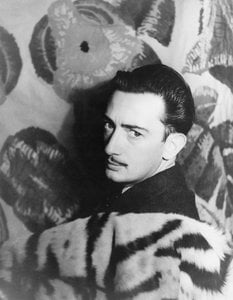
1904 - 1989 , İspanya

Step into the dreamscape of Salvador Dalí. Explore 25 iconic Surrealist masterpieces, from melting clocks to bizarre landscapes. Discover the stories behind these timeless works and find museum-quality art reproductions for your decor. Explore the full collection on WahooArt.com.

Step into a dreamscape of Surrealism. Uncover the stories behind 10 iconic masterpieces by legends like Salvador Dalí and René Magritte. Find museum-quality art reproductions and curated decor inspiration to transform your space. Discover all masterpieces on WahooArt.com.

Embark on a visual journey through the subconscious. Explore the profound symbolism of Surrealist masterpieces, from Dalí's melting clocks to dreamlike landscapes, and learn how to curate these evocative visions into your private art collection with expert guidance.

 Önizleme yap
 Paylaş
 Paylaş
 Detayları Gör

 İndir
İndir
 Benzerlerini gör
 X-Işını
 Slayt Gösterisi
 Tümünü Gör







 Cam seçeneği yalnızca 110 cm altındaki boyutlar için mevcuttur.


