Sanatçı Özgeçmişi
Rüyaların Labirenti: Salvador Dalí'nin Evreni
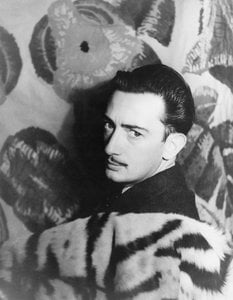
Salvador Domingo Felipe Jacinto Dalí i Domènech, adeta bir performans sanatı olan hayatıyla ve çarpıcı imgelerle bilinçaltını gözler önüne seren teknik dehasıyla sürrealizmin eşsiz simgesi haline gelmiştir. 1904 yılının Mayıs ayında, güneşin bol olduğu İspanya’nın Figueres kasabasında doğan Dalí'nin varoluşu, sıradışı bir kaderle yazılmıştı. Hayatının erken dönemleri, kaybın gölgesinde şekillenmişti; doğumundan sadece dokuz ay sonra aynı adla anılan ağabeyinin ölümü, sanatına ikilik ve yer değiştirme temalarını işlemiştir. Katı ama pragmatik babasıyla karmaşık bir ilişki ve annesinin şefkatli sevgisiyle harmanlanan bu erken deneyimler, hem gösterişli hem de derinlemesine içe dönük bir kişiliğin oluşmasına zemin hazırlamıştır. San Fernando Güzel Sanatlar Akademisi’nde aldığı resim eğitimi onu şekillendirmişse de, özellikle Empresyonist ve Rönesans ustalarının eserleriyle karşılaşması, geleneklerden kopup kendi özgün yolunu çizme arzusunu ateşlemiştir.
Paris'teki Dönüşüm ve Sürrealist Vizyonun Doğuşu
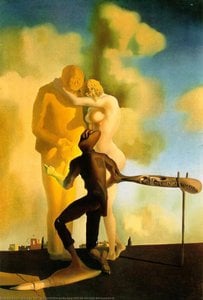
1926’daki Paris seyahati, Dalí için dönüştürücü bir deneyim olmuştur. Kendini Dadaizm’in isyankar ruhuna bırakmış, mantığın reddedilmesi ve anlamsızlığın kucaklanması onun gelişmekte olan sanatsal eğilimleriyle yankı bulmuştur. Ancak asıl önemli adım, Sürrealizm’e tam olarak bağlanmasıyla gerçekleşmiştir. André Breton, Pablo Picasso – Dalí'nin derinden hayranlık duyduğu bir isim – ve Joan Miró gibi kilit figürlerle tanışmıştır. Bu sadece bir stilin benimsenmesi değil, aynı zamanda hareketin kendisinin devrim niteliğindeki bir dönüşümünü temsil etmiştir. “Paranoyak-eleştirel yöntem” olarak adlandırdığı şeyi geliştirerek, kendini bilinçaltının gizli imgelerini açığa çıkarmaya yönelik tasarlanan, kendi kendine dayattığı paranoya durumuna girmeyi amaçlamıştır. Bu teknik, rüyaları, kaygıları ve derin kişisel sembolleri şaşırtıcı açıklık ve titizlikle tuvale aktarmasına olanak tanımıştır. Sonuç, eriyen saatler, uzamış gölgeler, çarpıtılmış figürler ve garip karşıtlıklarla dolu bir dünya yaratmıştır – onun hemen tanınabilir tarzının belirgin özellikleri. 1931’de tamamladığı Belleğin Azmi, Sürrealistlerin zamanın akışkanlığı, belleğin kırılganlığı ve çürümenin kaçınılmazlığı konusundaki keşiflerini somutlaştıran belki de en ikonik eseridir.
Tuval Ötesi: Çok Yönlü Bir Sanatçı
Dalí'nin yaratıcı çıktıları sadece resimle sınırlı kalmamıştır. Heykelcilik, sinema – Alfred Hitchcock ile yaptığı Spellbound ve Walt Disney ile beraber Destino adlı kısa animasyon filmi gibi – grafik sanatlar, mücevher tasarımı ve hatta sahne dekorları da dahil olmak üzere çok çeşitli alanlarda üretken bir sanatçı olmuştur. İlgi alanı sadece geleneksel sanatsal araçlarla sınırlı kalmamış; reklamcılık ve vitrin tasarımları gibi ticari sanatın sınırlarını da zorlamıştır. Çalışmalarında sürekli olarak tekrarlanan karınca sembolü çürüme, yumurta yeni yaşam ve umudu, destek ve kırılganlığı simgeleyen koltuk değnekleri, gizli sırlar ima eden çekmeceler ve gerçekliğin istikrarsızlığını somutlaştıran eriyen nesneler gibi motifler dikkat çekmektedir. Bu semboller rastgele değil; kendi kaygılarına, arzularına ve anılarıyla derinden bağlantılıdır. Juliet'in Mezarı, kaybın dokunaklı bir keşfi, Mannequin (Barselona Mannekeni), yapaylık ve kimlik üzerine bir takıntıyı yansıtırken, Uçan Böcekler Manzarası, ölümcüllüğün rahatsız edici bir tasvirini sunmaktadır. Meticenlikle geliştirilmiş tekniği, bu fantastik vizyonları fotoğrafik gerçekçilikle somutlaştırmasına olanak tanıyarak, onların rahatsız edici gücünü daha da artırmıştır.
Çekicilik, Miras ve Kalıcı Etki
Hayatı boyunca Dalí, sanatının kadar gösterişli ve eksantrik bir kişiliği de sergilemiştir. Kendini tanıtma konusunda yetenekliydi; kamuoyunun dikkatini çekmenin gücünün bilincindeydi. 1934’te Gala Éluard ile evliliği hem kişisel hem de sanatsal açıdan dönüm noktası olmuştur; o sadece müzesi değil, aynı zamanda iş yöneticisi ve sarsılmaz destekçisi olmuştur. Daha sonraki yıllarında artan ticari girişimleri ve Francoist rejimiyle tartışmalı bir yakınlaşması olsa da, sanatsal mirası büyüktür. 23 Ocak 1989’da hayatını kaybetmiş, ardında, sanatın sınırlarını aşarak moda, sinema, reklamcılık ve popüler kültürde görülebilen kalıcı bir etki bırakan eserler bırakmıştır. St. Petersburg, Florida'daki Salvador Dalí Müzesi, onun kalıcı çekiciliğinin kanıtı olarak durmakta ve ziyaretçilerin bu olağanüstü sanatçının dünyasına kendilerini kaptırmalarına olanak tanıyan kapsamlı bir koleksiyona ev sahipliği yapmaktadır. Dalí, bilinçaltının derinliklerini keşfetmeye cesaret eden ve onları tüm dünyanın görebilmesi için tuvale aktaran gerçek bir vizyondur.



 Önizleme yap
 Baskı Moduna Geç
 Paylaş
 Paylaş
 Detayları Gör
 Rehber

 İndir
İndir
 Benzerlerini gör
 X-Işını
 Slayt Gösterisi
 İstatistikler


 Tümünü Gör






































 Cam seçeneği yalnızca 110 cm altındaki boyutlar için mevcuttur.