Önizle AR ile önizle Baskı Satışına Geç Dijital Görsel Satışına Geç Gönder
Detaylar Rehber Favorilere ekle Dosyayı İndir Benzerleri X-Işını Slayt Gösterisi İstatistikler

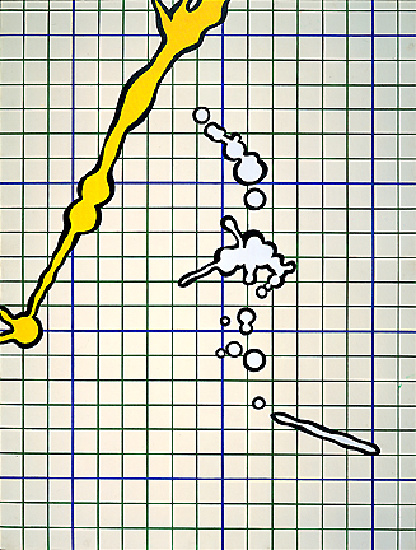
Yellow and withe drip

Bold Pop Art by Roy Lichtenstein captures a striking yellow drip against a white canvas—a vibrant testament to American art history. Explore this iconic 1966 masterpiece and bring its playful aesthetic into your home.

Roy Lichtenstein (1923-1997): Pop Art akımının önde gelen sanatçısı olarak Ben-Day noktaları tekniğiyle, çizgi romanlarından ilhamıyla ve tüketim kültürüne yönelik cesur yorumlarıyla tanınır. 'Whaam!' gibi eserlerini keşfedin.

Bu sayfada sergilenen eser telif hakkı yasasıyla korunmaktadır; bu da yasal olarak eserin birebir kopyasını oluşturamayacağımız veya satamayacağımız anlamına gelir. Bu koruma, aşağıdakiler gibi uluslararası anlaşmalar kapsamında uygulanmaktadır: Bern Sözleşmesi ve aşağıdakiler de dahil olmak üzere ulusal yasalarca belirlenen ABD Telif Hakkı Kanunu - 17. Başlık.

Saygılı ve yasal bir alternatif olarak, orijinalinden ilham alan, kişiye özel, el boyaması sanat eserleri sunuyoruz. Deneyimli ve profesyonel sanatçılarımız, aynı duyguyu uyandıran yeni ve benzersiz bir eser yaratmak için orijinalin stilini, ruhunu ve sanatsal özünü titizlikle inceler; üstelik bu eser, kendi başına özgün bir üretim olarak kalır.

Bu yöntem, koruma altındaki sanat eserinin kopyalanmasını veya çoğaltılmasını içermediği için telif hakkı düzenlemelerine tam uyum sağlar. Bunun yerine, yaratıcı bir yeniden yorumlamadır; orijinalinden etkilenen ancak onunla aynı olmayan yeni bir tablodur.

El Yapımı Yağlı Boya Reproduksiyon

Sanatçılarımız tarafından sipariş üzerine hazırlanan; istediğiniz boyut ve çerçevede, tuval üzerine el boyaması yağlı boya. ( Baskı Satışına Geç Dijital Görsel Satışına Geç)

Corner sample of the P118B picture frame: moulded polystyrene, 5 cm wide and 3 cm thick
P118B 10
Corner sample of the P118H picture frame: moulded polystyrene, 5 cm wide and 3 cm thick
P118H 10
Corner sample of the P118W picture frame: moulded polystyrene, 5 cm wide and 3 cm thick
P118W 10
Corner sample of the P438Z picture frame: moulded polystyrene, 5.5 cm wide and 3.5 cm thick
P438Z 10
Corner sample of the P508JH picture frame: moulded polystyrene, 7 cm wide and 3.5 cm thick
P508JH 12
Corner sample of the P508YH picture frame: moulded polystyrene, 7 cm wide and 3.5 cm thick
P508YH 12
Corner sample of the P805H picture frame: moulded polystyrene, 5 cm wide and 3.5 cm thick
P805H 10
Corner sample of the P805Z picture frame: moulded polystyrene, 5 cm wide and 3.5 cm thick
P805Z 10
Corner sample of the P919BZ picture frame: moulded polystyrene, 7 cm wide and 3.5 cm thick
P919BZ 10
Corner sample of the P919G picture frame: moulded polystyrene, 7 cm wide and 3.5 cm thick
P919G 10
Corner sample of the P919XJ picture frame: moulded polystyrene, 7 cm wide and 3.5 cm thick
P919XJ 10
Corner sample of the P959ZH picture frame: moulded polystyrene, 5 cm wide and 3 cm thick
P959ZH 10
Corner sample of the P968JZ picture frame: moulded polystyrene, 6 cm wide and 4 cm thick
P968JZ 12
Corner sample of the W106C picture frame: solid wood, 5 cm wide and 3 cm thick
W106C 8
Corner sample of the W218G picture frame: solid wood, 5 cm wide and 3 cm thick
W218G 10
Corner sample of the W218JH picture frame: solid wood, 5 cm wide and 3 cm thick
W218JH 8
Corner sample of the W218Y picture frame: solid wood, 5 cm wide and 3 cm thick
W218Y 10
Corner sample of the W307PJ picture frame: solid wood, 6 cm wide and 3 cm thick
W307PJ 10
Corner sample of the W316G picture frame: solid wood, 6 cm wide and 3 cm thick
W316G 10
Corner sample of the W316PJ picture frame: solid wood, 6 cm wide and 3 cm thick
W316PJ 8
Corner sample of the W316Y picture frame: solid wood, 6 cm wide and 3 cm thick
W316Y 10
Corner sample of the W398PJ picture frame: solid wood, 5 cm wide and 3 cm thick
W398PJ 8
Corner sample of the W4111J picture frame: solid wood, 6.5 cm wide and 3.5 cm thick
W4111J 10
Corner sample of the W500HY picture frame: solid wood, 7 cm wide and 5 cm thick
W500HY 15
Corner sample of the W500JH picture frame: solid wood, 7 cm wide and 5 cm thick
W500JH 15
Corner sample of the W692G picture frame: solid wood, 8 cm wide and 4 cm thick
W692G 12
Corner sample of the W849H picture frame: solid wood, 5 cm wide and 3 cm thick
W849H 8
Corner sample of the W940BG picture frame: solid wood, 7.5 cm wide and 4.5 cm thick
W940BG 15
Corner sample of the W953PJ picture frame: solid wood, 6 cm wide and 3.5 cm thick
W953PJ 8

Standart Boyutlar
özel boyutlu
CM
INCH

Eserin orijinal oranlarıyla uyumlu, önceden belirlenmiş boyutlarımız arasından seçim yapın.

genişlik
yükseklik

Belirli bir çerçeveye veya alana uyması için kendi boyutlarınızı girebilirsiniz. Seçtiğiniz boyut orijinal görüntünün oranlarıyla eşleşmiyorsa, sanat eserini kırparak veya ek el boyaması öğelerle resmi uzatarak ayarlayacağız. Üretim başlamadan önce onayınız için dijital bir taslak gönderilecektir.
Lütfen ekrandaki önizlemenin gerçek kırpmayı veya uzatmayı yansıtmadığını unutmayın. Nihai kompozisyonu yalnızca hazırlanan taslak doğru şekilde gösterecektir.
Özel boyutlar mevcut olsa da, orijinal oranları korumak adına önceden tanımlanmış listeden bir boyut seçmenizi öneririz.

Değiştirilebilecek örneklere dair: Yüzün müşteri fotoğrafıyla değiştirilmesi; Evcil hayvan eklenmesi (örneğin kedinin köpek ile değiştirilmesi); Arka plana gizli bir mesaj dahil edilmesi; Arka plan manzarasının veya öğelerinin değiştirilmesi.
Siparişten sonra, WahooArt.com ekibi talimatlar için müşteriye e-posta gönderecek ve bir taslak önizleme sunacaktır

Dünya Çapında Teslimat (); standart 5 hafta yerine 3/4 haftada. (9 Ekim). Kaliteden ödün verilmez.

Dünya Çapında Ücretsiz Ekspres Kargo
Yüksek Kaliteli Keten Tuval
Tam Nakliye Sigortası
Gümrük Vergisi İadesi Garantisi
Gerçek Renk Uyumu Garantisi
100 Günlük İade Koşulları (Sadece Üretim Hatalı Ürünler İçin)
%100 Para İade Garantisi
Toplu Alım Avantajı

Toplam Fiyat

₺ 13208

Yellow and withe drip

Baskı Tekniği

Baskı Boyutu

-

Toplam Fiyat

₺ 13208

Kısa Bilgiler

  • Year: 1966
  • Movement: Pop Art
  • Artistic style: Pop Art / Commercial Illustration
  • Subject or theme: Rejection of academic conventions
  • Title: Yellow and White Drip

A Bold Statement Against Tradition: The Vibrancy of Lichtenstein’s Vision

In the mid-1960s, the art world stood at a precipice, caught between the heavy, emotional shadows of Abstract Expressionism and the bright, neon-soaked reality of a burgeoning consumer culture. It was within this electric tension that Roy Lichtenstein unveiled "Yellow and White Drip," a work that would become a cornerstone of the Pop Art movement. Created in 1966, this painting is far more than a mere visual experiment; it is a deliberate, masterful rejection of academic conventions. Where previous generations sought depth through meticulous brushwork and soulful realism, Lichtenstein looked toward the mechanical, the commercial, and the everyday. He invited the viewer to find beauty not in the sublime, but in the graphic precision of the printing press and the ubiquitous language of mass media.

The composition itself serves as a striking dialogue between order and spontaneity. At first glance, the eye is drawn to the vibrant, energetic splash of yellow that cuts across the pristine white expanse. This "drip" suggests a moment of sudden movement, yet it is rendered with a calculated, almost clinical stillness. Interspersed within this landscape are geometric elements—green squares that ground the composition, providing a rhythmic structure that prevents the eye from wandering too far from the central motif. For the collector or interior designer, this piece offers a sophisticated balance; it possesses the raw energy of an action painting while maintaining the clean, structured aesthetic essential for modern, high-end decor.

The Alchemy of the Halftone: Technique and Visual Language

To truly appreciate "Yellow and White Drip," one must look closer at the skin of the painting. Lichtenstein’s genius lay in his ability to mimic the industrial processes of advertising and comic strips, elevating "low" culture to the status of fine art. He utilized the halftone print technique—a method of using tiny, varying densities of dots to simulate shading and texture. This choice was a revolutionary act of deconstruction. By replacing the artist's unique hand with a simulated mechanical dot, he challenged the very notion of the "original" masterpiece. The resulting effect is remarkably flat and stylized, creating a surface that feels both incredibly modern and timelessly iconic.

This technical precision creates a fascinating emotional paradox. While the subject matter—a simple drip and geometric shapes—appears minimalist, the execution is dense with cultural meaning. The stark contrast between the saturated yellow and the clinical white background amplifies the visual impact, making the work an ideal focal point for any curated space. It demands attention through its clarity and brightness, yet it does not overwhelm; rather, it provides a crisp, intellectual energy that can transform a room from a mere living space into a gallery of contemporary thought.

A Legacy of Pop: Symbolism and Contemporary Appeal

Beyond the pigments and dots, "Yellow and White Drip" embodies the anxieties and aspirations of the mid-century landscape. It reflects a world becoming increasingly interconnected through mass production and shared visual symbols. Lichtenstein’s work acts as a mirror to our own era of digital saturation, where the boundaries between reality and mediated imagery continue to blur. The painting symbolizes a liberation from elitist hierarchies, suggesting that art can be found in the most commonplace fragments of our visual landscape.

For those seeking to bring a piece of art history into their homes or professional design projects, a high-quality reproduction of this masterpiece offers an unparalleled opportunity. It is a work that speaks to the bold, the brave, and the aesthetically discerning. Whether placed in a minimalist loft or a vibrant contemporary office, "Yellow and White Drip" serves as a constant reminder of the moment when art stopped looking inward at the soul and started looking outward at the electric, pulsating reality of modern life.

Soru ve Cevaplar

Roy Fox Lichtenstein imzalı "Yellow and withe drip" eserinin renkleri canlı mı yoksa mat mı?

Roy Fox Lichtenstein imzalı "Yellow and withe drip" eserinin renkleri, Balanced yoğunluğunda ve Muted bir doygunlukta görünmektedir.

Roy Fox Lichtenstein imzalı "Yellow and withe drip" eserini odamda görmek için artırılmış gerçekliği kullanabilir miyim?

Uyumlu bir cihazda artırılmış gerçekliği kullanarak, eserin AR Önizleme sayfası aracılığıyla Roy Fox Lichtenstein imzalı "Yellow and withe drip" adlı çalışmayı kendi duvarınızda önizleyebilirsiniz.

Roy Fox Lichtenstein imzalı "Yellow and withe drip" ev dekorasyonunda nasıl kullanılabilir?

Roy Fox Lichtenstein imzalı "Yellow and withe drip", Accent için önerilmektedir; ideal olarak bir Living Room içerisinde sergilenmesi uygundur. Kullanım amacı ve mekan, reprodüksiyonun nereye yakışacağına dair yol gösterir.

Roy Fox Lichtenstein imzalı "Yellow and withe drip" hangi yılda yapıldı?

Roy Fox Lichtenstein imzalı "Yellow and withe drip" eserinin yapım tarihi 1966 olarak kaydedilmiştir.

"Yellow and withe drip" eserinin arkasındaki sanatçı kim?

"Yellow and withe drip", Roy Fox Lichtenstein tarafından yaratılmıştır. Bu sayfadaki bilgiler Roy Fox Lichtenstein imzalı orijinal esere aittir.

"Yellow and withe drip" eseri yaratıldığında Roy Fox Lichtenstein kaç yaşındaydı?

"Yellow and withe drip" adlı eser 1966 yılında yaratıldığında, 1923 yılında doğan Roy Fox Lichtenstein, 43 yaşındaydı.

Roy Fox Lichtenstein imzalı "Yellow and withe drip" için hangi alan öneriliyor?

Roy Fox Lichtenstein imzalı "Yellow and withe drip" eseri için Living Room önerilmektedir. Bu öneri; eserin konusu, renkleri ve hissettirdiği duyguya dayanmaktadır.


Sanatçı Biyografisi

The Genesis of a Pop Visionary

Roy Fox Lichtenstein, born in the vibrant metropolis of New York City on October 27, 1923, indelibly altered the landscape of twentieth-century art. Emerging as a pivotal figure within the Pop Art movement, Lichtenstein didn’t simply reflect his era; he actively interrogated it, transforming commonplace imagery into compelling artistic statements. His upbringing in an upper-middle-class Jewish family fostered both a cultural awareness and an early artistic inclination. Childhood exposure to museums and concerts, coupled with a deep appreciation for jazz music, laid the groundwork for a creative spirit that would challenge conventional notions of fine art. Though initially drawn to realistic drawing and painting during his formative years, Lichtenstein’s formal training commenced at the Art Students League in 1939 under Reginald Marsh, followed by studies at Ohio State University – interrupted briefly by wartime service in the Army. These experiences provided a robust technical foundation that would later be brilliantly re-contextualized through the lens of mass culture and commercial aesthetics. The seeds of his signature style weren’t sown within the hallowed halls of artistic tradition but rather in the often-overlooked world of everyday imagery, particularly comic books and advertising.

Early Influences and Artistic Exploration

Lichtenstein's formative years were marked by a fascination with European Surrealism, mirroring the stylistic trends prevalent at the time. Artists like René Magritte and Salvador Dalí captivated him with their dreamlike landscapes and paradoxical juxtapositions—influences that subtly shaped his early artistic explorations. However, Lichtenstein swiftly moved beyond Surrealist conventions, recognizing the potential of abstraction as a vehicle for conveying emotion and exploring formal experimentation. His initial drawings showcased meticulous attention to detail and tonal subtlety, demonstrating a mastery of traditional drawing techniques honed during his studies at Ohio State University. Yet, it was Reginald Marsh’s encouragement—particularly regarding capturing the essence of nature—that propelled him toward bolder stylistic choices. This pivotal encounter instilled in Lichtenstein a belief that art could transcend mere representation, striving instead for an expressive distillation of experience. He diligently practiced drawing from life and studying anatomical sketches, cultivating a foundational understanding of artistic principles that would prove invaluable to his subsequent stylistic innovations.

The Birth of Pop Art: Comic Books as Inspiration

A transformative moment arrived in 1961 with Lichtenstein’s groundbreaking artwork *Look Mickey*, a bold appropriation of Disney comics imagery. This wasn't merely copying comic strips; it was an act of artistic re-evaluation—a deliberate questioning of established aesthetic hierarchies and a rejection of the subjective expression championed by Abstract Expressionism. Recognizing the pervasive influence of mass media on American society, Lichtenstein embraced the visual language of advertising and comic books as sources of inspiration. He meticulously recreated comic book scenes using techniques mimicking commercial printing processes—a conscious blurring of boundaries between original artwork and mass production. This appropriation wasn’t about celebrating consumerism uncritically but rather examining its impact on cultural identity and challenging traditional artistic conventions. The resulting paintings featured vibrant colors, thick black outlines, and most notably, Ben-Day dots—a technique borrowed directly from comic book printing—representing the very process of reproduction itself.

Technique and Conceptual Framework: Mastering Mass Production

Lichtenstein’s artistic vocabulary is instantly recognizable: bold, primary colors, thick black outlines, and crucially, Ben-Day dots—a technique meticulously replicated to mimic commercial printing processes. These dots weren't merely decorative; they were integral to his conceptual framework—a deliberate assertion of objectivity and a rejection of painterly gesture. He painstakingly enlarged details from comic strips to monumental scale, forcing viewers to confront the aesthetic qualities of an art form typically dismissed as trivial. Works like *Whaam!*, *Drowning Girl*, and *Oh, Jeff…I Love You, Too…But…* became iconic representations of Pop Art—capturing anxieties and desires within a rapidly changing consumer culture. These weren’t simply depictions of comic book scenes; they were commentaries on themes of war, romance, and societal expectations—filtered through the visual language of mass media. He aimed to strip away any pretense of artistic subjectivity, presenting his work as objective reflections of American society—a mirror held up to its own manufactured reality. The deliberate flatness and lack of painterly texture further emphasized this detachment—mimicking the impersonal nature of commercial printing.

Legacy and Influence: Shaping Contemporary Art

Roy Lichtenstein’s influence extends far beyond the realm of painting, profoundly impacting graphic design, illustration, and visual art across various disciplines. His innovative use of commercial techniques and appropriation paved the way for new generations of artists exploring themes of consumerism, media saturation, and cultural identity—challenging traditional notions of artistic authorship and originality. He championed a radical rethinking of what constitutes “art”—rejecting elitist standards and embracing the accessibility of popular culture as legitimate sources of aesthetic inspiration. His enduring legacy resides in his unwavering conviction that art could engage with social issues—provoking critical dialogue about societal values and confronting uncomfortable truths. Artists like Andy Warhol, Jeff Koons, and Damien Hirst acknowledge Lichtenstein’s pioneering role in redefining artistic boundaries and establishing Pop Art as a dominant stylistic trend.
  • Notable Achievements: Established Pop Art style; achieved international recognition with groundbreaking exhibitions.
  • Major Works: *Whaam!*, *Drowning Girl*, *Oh, Jeff…I Love You, Too…But…*, *Masterpiece*.
  • Teaching Career: Influenced aspiring artists at SUNY Oswego and Rutgers University.
Lichtenstein passed away on September 29, 1997—leaving behind a body of work that continues to inspire admiration and provoke contemplation. His art serves as a powerful reminder of the transformative potential of appropriation, the beauty inherent in everyday imagery, and the enduring impact of a truly visionary artist—solidifying his place among the most influential figures in twentieth-century art history.
Roy Fox Lichtenstein

Roy Fox Lichtenstein

1923 - 1997 , Amerika Birleşik Devletleri

Kısa Bilgiler

  • Artistic Movement Or Style: Pop Art
  • Artists Who Influenced This Artist:
    • Reginald Marsh
    • Allan Kaprow
  • Date Of Birth: 27 Ekim 1923
  • Date Of Death: 29 Eylül 1997
  • Full Name: Roy Fox Lichtenstein
  • Nationality: Amerikalı
  • Notable Artworks:
    • Whaam!
    • Drowning Girl
    • Oh, Jeff…I Love You, Too…But…
  • Place Of Birth: New York Şehri, ABD
Temalara, stillere ve özelliklere göre gruplandırılmış sanat eserlerini keşfedin.