ÜCRETSİZ SANAT DANIŞMANLIĞI

x
Baskıyı satın al Baskıyı satın alTabloyu Sipariş Et Tabloyu Sipariş Et PaylaşPaylaş
DetaylarDetaylar Favorilere ekle Favorilere ekle İndirİndir Benzerlerini görBenzerlerini gör X-IşınıX-Işını Slayt GösterisiSlayt Gösterisi

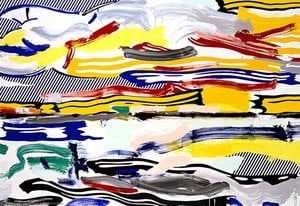
Sinking Sun

Roy Lichtenstein (1923-1997): Pop Art akımının önde gelen sanatçısı olarak Ben-Day noktaları tekniğiyle, çizgi romanlarından ilhamıyla ve tüketim kültürüne yönelik cesur yorumlarıyla tanınır. 'Whaam!' gibi eserlerini keşfedin.

Çevrimiçi önizlemeden çok daha üstün, yüksek çözünürlüklü ve iyileştirilmiş bir dijital görüntü satın alın.

Her dosya, uzman ekibimiz tarafından gelişmiş araçlar ve titiz manuel rötuş teknikleri kullanılarak özenle hazırlanır. Her görüntünün olağanüstü netliğe, kusursuz renk doğruluğuna ve ince ayrıntılara sahip olduğundan emin oluruz.

Son dosya; profesyonel, editoryal ve baskı süreçlerinde anında kullanıma uygun şekilde optimize edilerek 72 saat içinde e-posta yoluyla teslim edilir. Bu, seçkin tasarım stüdyoları, yayıncılar ve galerilerin güvendiği aynı kalite standartlarındadır.

Dijital Görsel

Kişisel sergileme, baskı ve yaratıcı projeleriniz için yüksek çözünürlüklü bir dosya indirin.

Toplam Tutar

$9.99

Her Dijital Görüntü Siparişinde Dahil Olanlar

Uzman Dijital Teslimat, Garantili

WahooArt.com seçtiğinizde, sadece bir görsel edinmekle kalmaz; titizlikle hazırlanmış, profesyonelce iyileştirilmiş dijital bir sanat eserine sahip olur ve memnuniyet garantisiyle güvence altına alınırsınız. Siparişinizle birlikte otomatik olarak sunulan her şey şunlardır:

shipping_icon
Hızlı E-posta ile Teslimat

Yüksek çözünürlüklü dijital görüntü dosyanız, siparişinizin üzerinden en geç 72 saat geçmeden e-posta ile size gönderilecektir; hemen kullanıma hazırdır.

canvas_icon
Yapay Zeka İle İyileştirilmiş Dijital Dosya

Sanat eseriniz; maksimum detay, netlik ve renk doğruluğu sağlamak amacıyla gelişmiş yapay zeka araçları ve manuel düzenleme kullanılarak profesyonelce optimize edilmektedir.

insurance_icon
Ömür Boyu Ücretsiz Yeniden Gönderim

Dosyanızı yanlışlıkla mı sildiniz yoksa kayıp mı oldu? Endişelenmeyin; dosyanızı dilediğiniz zaman size ücretsiz olarak tekrar göndereceğiz.

tax_icon
Hiçbir Zaman İthalat Ücreti Ödemeyin

Sanat eserinizin tadını gümrük vergisi, harç veya teslimat ücreti ödemeden anında çıkarın; dijital indirmeler her zaman vergiden muaftır.

color_icon
Renk Doğruluğu Garantisi

Profesyonel araçlar ve renk yönetimi kullanarak dijital görselinizin orijinal renklere mümkün olduğunca yakın yansıtılmasını sağlıyoruz.

return_icon
60 Günlük Memnuniyet Garantisi

If you're not satisfied with your digital image, we'll revise it or refund 100% within 60 days - no questions asked.

guarantee_icon
100% Para İadesi Garantisi

Memnun kalmadınız mı? Dijital dosyanızı aldıktan sonraki 60 gün içinde, hiçbir soru sorulmaksızın tam iade alın.

discount_icon
Toplu Sipariş İndirimleri

Buy 3 images, save 10% - Buy 5, save 15% - Buy 10+, save 20%. Great for creative projects, galleries, and agencies.

Hızlı Bilgiler

  • Title: Sinking Sun
  • Subject or theme: Sunset scene
  • Year: 1964
  • Notable elements: Ben-Day dots, rainbow
  • Influences: Pop culture
  • Medium: Oil on canvas
  • Movement: Pop Art

Sanat Bilgisi Testi

Her soru için yalnızca bir doğru cevap bulunmaktadır.

Soru 1:
What artistic movement is Roy Lichtenstein most closely associated with?
Soru 2:
The technique of using small dots to create detailed images in 'Sinking Sun' is known as:
Soru 3:
In 'Sinking Sun', what color primarily dominates the sky?
Soru 4:
The painting ‘Sinking Sun’ was created in which year?
Soru 5:
What does the presence of a rainbow in ‘Sinking Sun’ symbolize, according to its context within Lichtenstein's work?

Koleksiyon Detayları

A Descent into Vibrant Color and Modern Anxiety

Roy Lichtenstein’s Sinking Sun, painted in 1964, isn't merely a depiction of a sunset; it’s a carefully constructed meditation on the anxieties and visual language of the burgeoning Pop Art movement. Emerging from the shadows of Abstract Expressionism, Lichtenstein sought to dismantle traditional notions of fine art by embracing the imagery of popular culture – advertising, comic books, and everyday objects – transforming them into sophisticated works of art. Sinking Sun embodies this shift perfectly, capturing a fleeting moment of dramatic beauty while simultaneously hinting at an underlying sense of unease.

The painting’s genesis lies in the artist's fascination with the visual techniques employed in commercial printing, particularly the use of Ben-Day dots. This technique, borrowed from the world of mass production, creates a mosaic effect of tiny colored squares that mimics the appearance of halftone patterns found in newspapers and magazines. Lichtenstein masterfully employs this method to render the fiery hues of the sunset – vibrant yellows, deep oranges, and streaks of purple – imbuing the scene with an almost photographic quality while simultaneously distancing it from traditional representational painting. The deliberate flatness of the color fields contributes to the work’s immediate impact, drawing the viewer into its bold and dynamic composition.

Composition and a Symbol of Transition

The composition of Sinking Sun is deceptively simple yet profoundly effective. A dramatic sunset dominates the canvas, with a large, cloud-obscured sun positioned just above the horizon line. The clouds themselves are rendered in soft pinks and blues, creating a sense of depth and atmospheric perspective. A subtle rainbow arcs across the upper portion of the painting, adding a touch of hopeful beauty to the scene – a fleeting promise after the intensity of the sunset. However, it’s not just a picturesque landscape; the receding horizon line suggests a downward trajectory, subtly conveying a feeling of decline or transition.

The choice of subject matter itself is significant. A sinking sun has long been a potent symbol in art and literature, representing endings, mortality, and the passage of time. In Sinking Sun, this symbolism is amplified by Lichtenstein’s stylistic choices. The bright colors and simplified forms contrast sharply with the melancholic connotations of the subject matter, creating a compelling tension between beauty and sadness.

Pop Art's Challenge to Tradition

Lichtenstein’s work, including Sinking Sun, played a pivotal role in challenging established artistic conventions. By appropriating imagery from popular culture – a deliberate move away from the traditional subjects of fine art – he questioned the very definition of what constituted “art.” His use of comic book aesthetics, bold colors, and mass-produced techniques directly confronted the elitism and intellectualism often associated with the art world. Sinking Sun exemplifies this challenge, demonstrating how seemingly mundane imagery could be elevated to a level of artistic significance.

A Timeless Reflection on Modernity

Today, Sinking Sun is recognized as an iconic image of American Pop Art and a testament to Lichtenstein’s innovative approach. Its vibrant colors, meticulous attention to detail, and subtle symbolism continue to resonate with viewers. The painting serves as a poignant reminder of the cultural landscape of its time – a period marked by rapid technological advancements, consumerism, and a growing sense of uncertainty. More than just a beautiful image, Sinking Sun offers a glimpse into the anxieties and aspirations of a generation grappling with the complexities of modernity. It’s a work that invites contemplation and rewards repeated viewing, revealing new layers of meaning with each encounter.

Further Resources: Roy Lichtenstein: Sinking sun, Roy Lichtenstein: Figures with sunset, Roy Lichtenstein: We rose up slowly, Roy Lichtenstein: Crying girl

Artist Information: Roy Fox Lichtenstein (1923-1997) was an American pop artist. He rose to prominence in the 1960s through pieces which were inspired by popular advertising and the comic book style. Much of his work explores the relationship between fine art, advertising, and consumerism.

Additional Research: Roy Lichtenstein, Roy Lichtenstein Foundation

Benzer Eserler


Sanatçı Özgeçmişi

The Genesis of a Pop Visionary

Roy Fox Lichtenstein, born in the vibrant metropolis of New York City on October 27, 1923, indelibly altered the landscape of twentieth-century art. Emerging as a pivotal figure within the Pop Art movement, Lichtenstein didn’t simply reflect his era; he actively interrogated it, transforming commonplace imagery into compelling artistic statements. His upbringing in an upper-middle-class Jewish family fostered both a cultural awareness and an early artistic inclination. Childhood exposure to museums and concerts, coupled with a deep appreciation for jazz music, laid the groundwork for a creative spirit that would challenge conventional notions of fine art. Though initially drawn to realistic drawing and painting during his formative years, Lichtenstein’s formal training commenced at the Art Students League in 1939 under Reginald Marsh, followed by studies at Ohio State University – interrupted briefly by wartime service in the Army. These experiences provided a robust technical foundation that would later be brilliantly re-contextualized through the lens of mass culture and commercial aesthetics. The seeds of his signature style weren’t sown within the hallowed halls of artistic tradition but rather in the often-overlooked world of everyday imagery, particularly comic books and advertising.

Early Influences and Artistic Exploration

Lichtenstein's formative years were marked by a fascination with European Surrealism, mirroring the stylistic trends prevalent at the time. Artists like René Magritte and Salvador Dalí captivated him with their dreamlike landscapes and paradoxical juxtapositions—influences that subtly shaped his early artistic explorations. However, Lichtenstein swiftly moved beyond Surrealist conventions, recognizing the potential of abstraction as a vehicle for conveying emotion and exploring formal experimentation. His initial drawings showcased meticulous attention to detail and tonal subtlety, demonstrating a mastery of traditional drawing techniques honed during his studies at Ohio State University. Yet, it was Reginald Marsh’s encouragement—particularly regarding capturing the essence of nature—that propelled him toward bolder stylistic choices. This pivotal encounter instilled in Lichtenstein a belief that art could transcend mere representation, striving instead for an expressive distillation of experience. He diligently practiced drawing from life and studying anatomical sketches, cultivating a foundational understanding of artistic principles that would prove invaluable to his subsequent stylistic innovations.

The Birth of Pop Art: Comic Books as Inspiration

A transformative moment arrived in 1961 with Lichtenstein’s groundbreaking artwork *Look Mickey*, a bold appropriation of Disney comics imagery. This wasn't merely copying comic strips; it was an act of artistic re-evaluation—a deliberate questioning of established aesthetic hierarchies and a rejection of the subjective expression championed by Abstract Expressionism. Recognizing the pervasive influence of mass media on American society, Lichtenstein embraced the visual language of advertising and comic books as sources of inspiration. He meticulously recreated comic book scenes using techniques mimicking commercial printing processes—a conscious blurring of boundaries between original artwork and mass production. This appropriation wasn’t about celebrating consumerism uncritically but rather examining its impact on cultural identity and challenging traditional artistic conventions. The resulting paintings featured vibrant colors, thick black outlines, and most notably, Ben-Day dots—a technique borrowed directly from comic book printing—representing the very process of reproduction itself.

Technique and Conceptual Framework: Mastering Mass Production

Lichtenstein’s artistic vocabulary is instantly recognizable: bold, primary colors, thick black outlines, and crucially, Ben-Day dots—a technique meticulously replicated to mimic commercial printing processes. These dots weren't merely decorative; they were integral to his conceptual framework—a deliberate assertion of objectivity and a rejection of painterly gesture. He painstakingly enlarged details from comic strips to monumental scale, forcing viewers to confront the aesthetic qualities of an art form typically dismissed as trivial. Works like *Whaam!*, *Drowning Girl*, and *Oh, Jeff…I Love You, Too…But…* became iconic representations of Pop Art—capturing anxieties and desires within a rapidly changing consumer culture. These weren’t simply depictions of comic book scenes; they were commentaries on themes of war, romance, and societal expectations—filtered through the visual language of mass media. He aimed to strip away any pretense of artistic subjectivity, presenting his work as objective reflections of American society—a mirror held up to its own manufactured reality. The deliberate flatness and lack of painterly texture further emphasized this detachment—mimicking the impersonal nature of commercial printing.

Legacy and Influence: Shaping Contemporary Art

Roy Lichtenstein’s influence extends far beyond the realm of painting, profoundly impacting graphic design, illustration, and visual art across various disciplines. His innovative use of commercial techniques and appropriation paved the way for new generations of artists exploring themes of consumerism, media saturation, and cultural identity—challenging traditional notions of artistic authorship and originality. He championed a radical rethinking of what constitutes “art”—rejecting elitist standards and embracing the accessibility of popular culture as legitimate sources of aesthetic inspiration. His enduring legacy resides in his unwavering conviction that art could engage with social issues—provoking critical dialogue about societal values and confronting uncomfortable truths. Artists like Andy Warhol, Jeff Koons, and Damien Hirst acknowledge Lichtenstein’s pioneering role in redefining artistic boundaries and establishing Pop Art as a dominant stylistic trend.
  • Notable Achievements: Established Pop Art style; achieved international recognition with groundbreaking exhibitions.
  • Major Works: *Whaam!*, *Drowning Girl*, *Oh, Jeff…I Love You, Too…But…*, *Masterpiece*.
  • Teaching Career: Influenced aspiring artists at SUNY Oswego and Rutgers University.
Lichtenstein passed away on September 29, 1997—leaving behind a body of work that continues to inspire admiration and provoke contemplation. His art serves as a powerful reminder of the transformative potential of appropriation, the beauty inherent in everyday imagery, and the enduring impact of a truly visionary artist—solidifying his place among the most influential figures in twentieth-century art history.
Roy Fox Lichtenstein

Roy Fox Lichtenstein

1923 - 1997 , Amerika Birleşik Devletleri

Kısa Bilgiler

  • Artistic Movement Or Style: Pop Art
  • Artists Who Influenced This Artist:
    • Reginald Marsh
    • Allan Kaprow
  • Date Of Birth: 27 Ekim 1923
  • Date Of Death: 29 Eylül 1997
  • Full Name: Roy Fox Lichtenstein
  • Nationality: Amerikalı
  • Notable Artworks:
    • Whaam!
    • Drowning Girl
    • Oh, Jeff…I Love You, Too…But…
  • Place Of Birth: New York Şehri, ABD