Sanatçılarımız tarafından sipariş üzerine hazırlanan; istediğiniz boyut ve çerçevede, tuval üzerine el boyaması yağlı boya. ( Baskı satın al Görsel satın al)
Eserin orijinal oranlarıyla uyumlu, önceden belirlenmiş boyutlarımız arasından seçim yapın.

Belirli bir çerçeveye veya alana uyması için kendi boyutlarınızı girebilirsiniz. Seçtiğiniz boyut orijinal görüntünün oranlarıyla eşleşmiyorsa, sanat eserini kırparak veya ek el boyaması öğelerle resmi uzatarak ayarlayacağız. Üretim başlamadan önce onayınız için dijital bir taslak gönderilecektir.
Lütfen ekrandaki önizlemenin gerçek kırpmayı veya uzatmayı yansıtmadığını unutmayın. Nihai kompozisyonu yalnızca hazırlanan taslak doğru şekilde gösterecektir.
Özel boyutlar mevcut olsa da, orijinal oranları korumak adına önceden tanımlanmış listeden bir boyut seçmenizi öneririz.
Dünya Çapında Teslimat (); standart 5 hafta yerine 3/4 haftada. (6 Eylül). Kaliteden ödün verilmez.


Reflections Wonder Woman
Reproduksiyon Boyutu
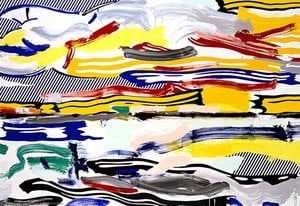
Roy Lichtenstein's "Reflections Wonder Woman," painted in 1989, isn’t merely a depiction of the iconic superhero; it’s a masterful distillation of Pop Art principles—a deliberate provocation and celebration of visual culture. This artwork encapsulates Lichtenstein’s signature style: a vibrant explosion of color against stark black, achieved through his revolutionary Ben-Day dot technique, instantly recognizable to anyone familiar with comic book aesthetics.
The canvas is dominated by Wonder Woman herself, positioned centrally and occupying a significant portion of the frame. However, Lichtenstein eschews traditional perspective, opting instead for a fragmented composition that mimics the dynamic energy of comic panels. Diagonal bands of color—yellows, blues, reds—cut across the image, creating an illusion of movement and disrupting any sense of stillness. These bands overlap and intersect with Wonder Woman’s facial features, amplifying the feeling of visual fragmentation. The inclusion of a crown atop her head and a necklace subtly reinforces themes of royalty and power – elements frequently found in superhero narratives.
Lichtenstein’s color palette is deliberately flat, rejecting blending to maintain the mechanical quality inherent in his technique. Bold hues—primarily yellows, blues, reds—are juxtaposed against a black background, mirroring the printing process he painstakingly recreated on canvas. The true genius of “Reflections Wonder Woman” lies in its use of Ben-Day dots – tiny colored squares meticulously applied to create an illusion of shading and texture. This technique directly references comic book printing methods, elevating it from mere reproduction to a deliberate artistic gesture.
Wonder Woman’s expression—characterized by a hint of distress or surprise—serves as a powerful symbol of vulnerability amidst strength. Lichtenstein's stylistic choices aren’t simply decorative; they convey an underlying tension between confidence and apprehension, mirroring the anxieties inherent in confronting challenges. The fragmented composition itself speaks to chaos and disruption – themes explored throughout Pop Art’s engagement with mass media and societal shifts. Ultimately, “Reflections Wonder Woman” invites contemplation on how art can capture both emotional complexity and visual spectacle.
Born in 1923, Roy Lichtenstein emerged as a pivotal figure during the Pop Art movement of the 1960s. Influenced by artists like Warhol and Hopper, Lichtenstein challenged the conventions of Abstract Expressionism, rejecting emotional subjectivity for an embrace of popular culture imagery. His work—particularly pieces inspired by comic books—became emblematic of this era’s fascination with consumerism and mass production. “Reflections Wonder Woman” stands as a testament to Lichtenstein's enduring legacy – a bold reimagining of familiar motifs that continues to inspire artists and collectors alike.


1923 - 1997 , Amerika Birleşik Devletleri

Dive into the vibrant world of Ben-Day dots. Explore how Roy Lichtenstein transformed mass media imagery into high art, redefining modern aesthetics through the iconic textures of Pop Art and its enduring impact on contemporary visual culture.

Explore the industrial artistry of Pop Art. Delve into the sophisticated history of Ben-Day dots and silk screen techniques that transformed mass media into high art, perfect for discerning collectors seeking deep historical insight and aesthetic excellence.

Explore the profound impact of the Pop Art Revolution on modern aesthetics. From Lichtenstein’s dots to Warhol’s icons, gain expert insights into how this vibrant movement redefined culture through consumerism and mass media. A definitive guide for art lovers and collectors.

Explore the profound psychological depth of Roy Lichtenstein's color theory. An expert analysis for art collectors on how bold palettes and Ben-Day dots redefine modern aesthetics and luxury interior curation.

Explore the profound impact of Pop Art on modern aesthetics. From Warhol’s icons to Lichtenstein's bold dots, discover how mass media redefined the masterpiece and continues to inspire sophisticated art collectors and contemporary interior design.

 Önizleme yap
 Paylaş
 Paylaş
 Detayları Gör

 İndir
İndir
 Benzerlerini gör
 X-Işını
 Slayt Gösterisi

 Tümünü Gör




































 Cam seçeneği yalnızca 110 cm altındaki boyutlar için mevcuttur.