Roy Lichtenstein'ın Hayatı
Manhattan, New York City, 27 Ekim 1923. Roy Lichtenstein, Milton ve Beatrice'in oğlu olarak dünyaya gözlerini açar. Metropolün o bitmek bilmeyen kentsel enerjisi, nihayetinde güzel sanatların sınırlarını zorlayacak bir yaşamın arka planını oluşturur. Üst orta sınıf Yahudi bir ailede büyüyen sanatçı, müze gezileri ve caz müziğiyle şehrin kültürel ritimlerini içine çekerek yetişir.
Kariyerinin seyri, yirminci yüzyılın ortalarında köklü bir değişime uğrar. Soyut Ekspresyonizm'in o ağır ve duygusal fırça darbalarından radikal bir kopuşla tanımlanan Pop Art akımının öncü figürlerinden biri olarak yükselir. İç dünyasına dönüp bakmak yerine, Amerikan kitle kültürünün o parlak ve mekanik yüzeylerine yönelir. Konusunu günlük yaşamın en çok göz ardı edilen köşelerinde bulur: çizgi romanların dramatik panelleri ve ticari reklamların o keskin, tekrarlayan desenleri...
Onun eserleri, matbaacılığın o geçici dilini anıtsal bir şeye dönüştürür. Kitlelerin görsel kısaltmalarını benimseyerek, yüksek sanat galerilerinin prestiji ile sokağın gündelik nabzı arasında zorunlu bir yüzleşme yaratır. Sanat dünyasındaki varlığı, bilinçli bir mesafeli duruşla karakterize edilir; bir tablonun ne olabileceğini yeniden tanımlamak için endüstriyel üretimin araçlarını bizzat kullanır.
Erken Yaşam, Aile ve Eğitim
Manhattan, 1923. Şehir, Roy Fox Lichtenstein'ın üst orta sınıf Yahudi bir aileye doğuşuna eşsiz bir fon oluşturur. Babası Milton bir emlak brokerı olarak çalışırken, eğitimli bir piyanist olan annesi Beatrice, onu New York'un kültürel ritimleriyle tanıştırır. Bu ilk yıllar, görsel ve işitsel dünyalara duyulan çift yönlü bir hayranlıkla şekillenir; çocukluğunu müzeleri keşfederek ve konserlere katılarak geçiren sanatçı, hayatı boyunca sürecek olan caz müziğine karşı derin bir takdir geliştirir.
Sanatçının yaşam çizgisi, 1939 yılında disiplinli bir eğitime doğru evrilir. New York Art Students League'e girerek kendisini Reginald Marsh'un öğretilerine emanet eder. Burada odak noktası, çizim ve resmin temel prensipleri üzerinde yoğunlaşır. Bu erken dönem keşiflerinden yüksek öğrenime doğru bir yolculuğa çıkan Lichtenstein, güzel sanatlar alanında derece almak üzere Ohio State University'ye kaydolur. Bu akademik temel, sanatçının geleneksel temsilden koparak gerçekleştireceği daha radikal ve devrim niteliğindeki sonraki kırılmalarının temelini oluşturan teknik disiplini sağlar.
Askerlik Hizmeti ve Eğitime Dönüş
Lichtenstein'ın eğitim hayatının seyri, 1943 yılında ani bir değişikliğe uğrar. Askerlik çağının gelmesiyle birlikte, sınıfların huzurlu ortamından kopup Amerika Birleşik Devletleri Ordusu'nun disiplinli dünyasına çekilir. İki yıl boyunca odak noktası sanat atölyelerinden, Avrupa'nın savaş cephelerine kayar. 1943 ile 1945 yılları arasındaki o kaotik savaş yıllarında Fransa, Belçika ve Almanya'da görev yapar. Çatışmaların en şiddetli olduğu bu dönemde, bir er, bir teknik ressam ve bir sanatçı olarak çevresindeki gerçekliği kağıda dökerek savaşın sert yüzünü eskizleriyle kayıt altına alır.
Savaş sona erer ancak sivil hayata dönüş süreci beklediği kadar hızlı olmaz. 1945 yılında çatışmaların durmasının ardından Lichtenstein, Sorbonne'da eğitim görme hayaliyle bir süre Fransa'da kalır. Fakat babasının ağır bir hastalığa yakalanması, bu planları altüst ederek onu Amerika Birleşik Devletleri'ne dönmeye zorlar. Yarım kalan eğitimini tamamlamak üzere Ohio State University'e geri döner. 1946 yılına gelindiğinde, Güzel Sanatlar Lisans derecesini (BFA) başarıyla tamamlamış ve profesyonel sanat dünyasına eğitimli bir sanatçı olarak adım atmaya hazır bir şekilde geri dönmüştür.
Öğretim Kariyeri ve İlk Eserler
Savaş sonrası yıllar, Lichtenstein'ın Amerikan Orta Batı ve Doğu Yakası'nın akademik manzaralarında yolunu bulmaya çalıştığı bir dönemdir. Ohio Eyalet Üniversitesi'nde yaklaşık on yıl boyunca aralıklarla sanat eğitmeni olarak görev yapar. Bu süreçte yaratıcı üretimi önemli bir dönüşüm geçirir; Soyut Ekspresyonizm'in o ağır ve duygusal fırça darbelerinden uzaklaşmaya başlar. Bunun yerine, Kübist yorumlar ve Bayeux Gobleni'nden ilham alan lirik çalışmalar üzerinde denemeler yapar. Aynı zamanda, stilize edilmiş ve basılı imgelere yönelik artan ilgisini yansıtan çizim ve boyama serileriyle Vahşi Batı temalarını de keşfeder.
Daha grafiksel bir dile doğru olan geçiş, çeşitli akademik görevleri sayesinde hız kazanır. 1957 yılında, endüstriyel tasarım dersleri vermek üzere New York Eyalet Üniversitesi, Oswego'ye taşınır. Bu rol, yoğun bir deneyim dönemine rastlar. Mickey Mouse ve Donald Duck gibi çizgi film karakterlerini soyut arka planlarla birleştirmeye başlar. Bu hibrit yaklaşım, geleneksel güzel sanatlardan bir kopuşun habercisidir. Daha sonra Douglass College, Rutgers, New Jersey Eyalet Üniversitesi'nde ve SUNY Oswego'de yardımcı doçent olarak görev yapar. Bu akademik ortamlar, geleneksel resmin dokusunu reddederek, daha mekanik ve mesafeli bir görsel dil geliştirmesi için ona gereken istikrarı sağlar.
Teknik ve İmza Stili
Tuval, mekanik bir hassasiyetin sergilendiği bir alana dönüşür. Lichtenstein, görünür fırça darbelerini soyutlayarak sanatçının el izini, seri üretimin soğuk ve hesaplanmış diliyle değiştirir. Çizgi romanların ve reklamcılığın estetiğini benimseyen sanatçı, konularını tanımlamak için cesur, ana renkleri ve yoğun siyah konturları kullanır. Yarattığı imgeler, el ile boyanmış bir yüzeyden ziyade, basılı bir sayfanın düz ve kişisellikten uzak niteliğini taklit ederek izleyiciye mesafeli bir his verir.
Doku, Ben-Day noktalarının bilinçli ve sistematik bir şekilde uygulanmasıyla elde edilir. Bu küçük, renkli daireler; ucuz ticari baskıların görünümünü taklit ederek gölgelendirmeler ve geçişler yaratır. Sanatçı bu noktaları tek tek boyamaz; bunun yerine, ince plastik veya metalden yapılmış şablonlar kullanarak yüzey üzerinde bir fırça veya bez gezdirir ve böylece homojen, makine yapımı bir görünüm sağlar. Bu teknik, resim yapma eylemini bir yeniden üretim sürecine dönüştürerek, güzel sanatlar ile endüstriyel çıktı arasındaki çizgiyi bulanıklaştırır.
Temel Eserler ve İkonik Tablolar
Roy Lichtenstein için imza stilini oluşturan o büyük dönüşüm, 1961 yılında Look Mickey ile birlikte hayat bulur. Bu eserde, bir Disney karakterinin sanata dahil edilmesi, sanatçının daha önceki soyut deneylerinden radikal bir kopuşu simgeler. Önceki on yılın o ağır ve duygusal fırça darbalarından uzaklaşan sanatçı, bunun yerine çizgi romanların mekanik netliğini tercih eder. Bu çalışma, ucuz kurgu edebiyatının dilini biçimsel ve geniş ölçekli bir kompozisyona dönüştüren bir köprü görevi görür.
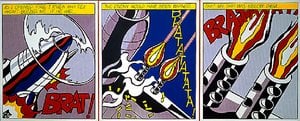
1963 yılına gelindiğinde, görsel sorgulamasının boyutu iyice genişler. Whaam!, savaş çizgi romanlarının o dramatik ve parçalanmış panellerini kullanarak tuval üzerinde yüksek tempolu bir şiddet anını patlama etkisiyle sunar. Aynı dönemde, Drowning Girl farklı bir gerilim türünü temsil eder. Suya gömülmüş bir kadına odaklanan bu eser, kadının yüzündeki stilize gözyaşları ve kişisel bir başkaldırıyı ifade eden konuşma balonuyla dikkat çeker. Bu eserler sadece sahneleri betimlemekle kalmaz; kitle iletişim araçlarının melodramını statik ve grafik nesnelere dönüştürerek dondurur.
1964 tarihli Nurse tablosu, romantik ve dramatik olanın bu keşfini sürdürür. Sanatçının en çok tanınan dönemini tanımlayan yüksek kontrastlı dış hatları ve Ben-Day noktalarını ustalıkla kullanır. Bir aşk romanından fırlamış gibi duran hemşire figürü, kaynak materyalin yapaylığını vurgulayan bir mesafeli tavırla resmedilmiştir. Roy Lichtenstein'ın bu dönemdeki üretimi, insan duyguları ile endüstriyel yeniden üretim arasındaki kesişim noktasına odaklanmaya devam eder.
- Look Mickey (1961)
- Whaam! (1963)
- Drowning Girl (1963)
- Nurse (1964)
Son Yılları ve Ölümü
1960'lı yıllar, sanatçının özel hayatında önemli bir dönüm noktasına sahne oldu; 1968 yılında Dorothy Herzka ile evlenmesiyle birlikte hayatında yeni bir sayfa açıldı. Bu dönemde Roy Lichtenstein, farklı mecralarda kendini ifade ederek sanatsal etkisini daha da genişletti ve devasa bir eser külliyatı üretmeye devam etti. Resimlerden heykellere, duvar resimlerinden çeşitli formlara kadar uzanan bu üretken süreç, beş bini aşkın esere ulaştı. Çizgi romanlardan ilham alan o ilk sarsıcı tarzının ötesine geçerek, klasik sanata ve manzaralara atıfta bulunan seriler de dahil olmak üzere çok daha karmaşık ve derinlikli kompozisyonların izini sürdü.
Sanat dünyasındaki bu görkemli yolculuk, 1990'ların sonunda beklenmedik bir şekilde sona erdi. Ağustos 1997'de yakalandığı zatürre, dirençli vücudu için ağır bir sınav oldu. Enfeksiyonun neden olduğu komplikasyonlar sonucunda, 29 Eylül 1997 tarihinde hayata gözlerini yumdu. Pop Art'ın bu vizyoner ismi, geride modern sanatın çehresini değiştiren unutulmaz bir miras bırakarak 73 yaşında aramızdan ayrıldı.
Miras ve Kalıcı Etki
Onun etkisiyle birlikte, yüksek sanat ile popüler kültür arasındaki sınırlar eriyip gitmiştir. Çizgi romanların ve reklamların görsel dilini alıp galeri duvarlarına taşıyarak, güzel sanatlar ile günlük yaşamın seri üretim görselleri arasında kaçınılmaz bir yüzleşme başlatmıştır. Bu değişim, resmin sadece konusunu değiştirmekle kalmamış; sanatsal yazarlık ve orijinallik kavramlarının ta kendisini de sorgulamaya açmıştır. Eserleri, sanat, kültür ve ticaretin kesişim noktalarına dair yürütülen eleştirel diyaloglar için hala güçlü bir katalizör olma özelliğini korumaktadır.
Onun varlığı, dünyanın dört bir yanındaki büyük müze koleksiyonlarında derinden hissedilmektedir. Londra'daki Tate'in salonlarından New York'taki Modern Sanat Müzesi'ne kadar, estetiği modern kanonun temel bir parçası olmaya devam etmektedir. Geliştirdiği yöntemin etkisi; mekanik olanla el yapımı olan arasındaki gerilimin yankılanmaya devam ettiği grafik tasarım, illüstrasyon ve çağdaş dijital sanat alanlarına kadar uzanmaktadır. O, Pop Art hareketine sadece dahil olmakla kalmamış, medya ile kuşatılmış bir çağda görselleri tüketme biçimimiz için temel bir referans noktası olan görsel bir kelime dağarcığı oluşturarak bu hareketin doğuşuna yardımcı olmuştur.
- Whaam! (1963)
- Drowning Girl (1963)
- Masterpiece (1962)
- Look Mickey (1961)


 Gerçek Boyutta Önizle
 Paylaş
 Paylaş
 Detayları Gör
 Rehber

 İndir
İndir
 Benzer ürünler
 X-Işını
 Slayt Gösterisi
 Soru & Cevap
 İstatistikler

 Tümünü Gör
 Baskı Satışına Geç





































 Cam seçeneği yalnızca 110 cm altındaki boyutlar için mevcuttur.