


Hızlı üretim ve esnek bitiş seçenekleriyle müze kalitesinde giclée veya kanvas baskı. ( El yapımı tablo satın al Görsel satın al)





























Eserin orijinal oranlarıyla uyumlu, önceden belirlenmiş boyutlarımız arasından seçim yapın.

Belirli bir çerçeveye veya alana uyması için kendi ölçülerinizi girebilirsiniz. Seçtiğiniz boyut orijinal görüntünün oranlarıyla eşleşmiyorsa, sanat eserini kırpacağız veya görüntüyü aynalanmış ya da düz dolgulu bir kenarlıkla genişleteceğiz. Üretim başlamadan önce onayınız için bir dijital taslak gönderilecektir.
Lütfen ekrandaki önizlemenin gerçek kırpma veya genişletmeyi yansıtmadığını unutmayın. Nihai kompozisyonu yalnızca taslak doğru bir şekilde gösterecektir.
Özel boyutlar mevcut olsa da, orijinal oranları korumak için önceden tanımlanmış listeden bir boyut seçmenizi öneririz.
Dünya Çapında Teslimat (); standart 4/5 hafta yerine 2 haftada. (7 Eylül)


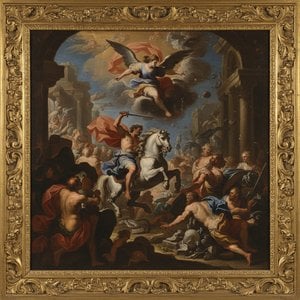
HERCULE SUR LE BUCHER
Reproduksiyon Boyutu
In the grand theater of the Baroque era, few images capture the raw intersection of human agony and divine destiny as poignantly as Guido Reni’s Hercules Sur Le Bucher. Painted during the height of the seventeenth century, this monumental work serves as a breathtaking window into a moment of profound mythological crisis. As the legendary hero Hercules prepares for his pyre, the canvas vibrates with an almost palpable tension. Reni does not merely depict a scene from antiquity; he orchestrates a cosmic drama where the muscular weight of the mortal form meets the swirling, ethereal uncertainty of the heavens. For the discerning collector or lover of classical beauty, this piece offers more than just visual splendor—it provides a window into the very soul of Baroque classicism.
The composition is a masterclass in directed movement, utilizing a sweeping diagonal trajectory that pulls the viewer’s gaze from the lower left toward the upper right. This upward surge mimics the hero's own struggle, creating a sense of breathless ascension amidst a turbulent sky. Reni employs chiaroscuro with unparalleled skill, casting deep, oppressive shadows that contrast sharply against the radiant light illuminating Hercules’ torso and face. This interplay of light and dark does more than create depth; it mirrors the internal conflict of a man caught between his earthly labors and his impending apotheosis. The flesh tones are rendered with an anatomical precision that celebrates the strength of the human spirit, while the surrounding clouds appear as restless, painterly strokes of grey and azure, suggesting a world in flux.
Beyond its striking visual impact, Hercules Sur Le Bucher is steeped in layers of symbolic meaning that resonate with anyone moved by themes of resilience and transformation. The figure of Hercules, stripped of his armor and vulnerable yet powerful, represents the eternal struggle against adversity. The swirling clouds and stormy atmosphere serve as metaphors for the chaotic forces of fate and divine intervention that govern the lives of even the greatest legends. In the context of interior design, such a piece acts as a profound focal point, bringing an air of intellectual depth and dramatic gravitas to any curated space. It is a work that demands attention, inviting contemplation on the nature of suffering and the eventual triumph of the heroic will.
The palette chosen by Reni—a sophisticated blend of earthy ochres, deep browns, and sudden flashes of ivory—grounds the mythological subject in a tangible, visceral reality. This careful balance of warmth and coolness ensures that the painting remains both emotionally accessible and aesthetically timeless. For those seeking to adorn a home or gallery with a high-quality reproduction, this artwork offers an unparalleled opportunity to embrace the elegance of the Italian Baroque. It is an invitation to live surrounded by art that does not merely decorate a wall, but tells a story of enduring strength, capturing a moment where the mortal and the divine collide in a spectacular display of artistic mastery.

Guido Reni, 1575 yılında Bologna şehrinde dünyaya geldi. Daniele Reni adında bir müzisyenin ve Ginevra Pozzi adlı yine müzikle uğraşan bir annenin tek çocuğuydu. Bu aile ortamı, onun daha sonraki sanatsal çalışmalarını derinden etkileyecek olan uyum ve form anlayışını erken yaşta geliştirmesine yardımcı oldu. Dokuz yaşında, Bologna’da çalışan Flaman ressam Denis Calvaert’in çıraklığına başladı. Albani ve Domenichino gibi diğer yetenekli genç sanatçılarla birlikte eğitim aldı ve klasik prensipler üzerine sağlam bir temel oluşturdu.
Reni’nin sanatsal kariyeri, Roma, Napoli ve memleketi Bologna gibi çeşitli İtalyan şehirlerini kapsadı. Erken dönem eserleri, Calvaert ve Carracci kardeşlerin etkisini gösteriyordu; anatomi doğruluğu ve dramatik kompozisyonlara önem veriliyordu. Ancak Reni kısa sürede kendine özgü bir stil geliştirdi: zarif klasikçilik, rafine teknik ve yoğun duygusal derinlik. Bologna Okulunun önde gelen figürlerinden biri haline geldi ve akademik eğitim ile idealize edilmiş formlara verdiği önemle tanındı.
Reni’nin yapıtları, dini sahneler, mitolojik anlatılar ve alegorik temsiller gibi geniş bir yelpazeyi kapsar. En ünlü eserlerinden bazıları şunlardır:
Reni’nin üslubu genellikle eklektik klasikçilik olarak tanımlanır. Klasik sanatın kesinliğini Barok döneminin dinamizmi ve duygusuyla birleştirdi. Figürleri tipik olarak idealize edilmiştir; sakin bir güzelliğe ve zarif bir harekete sahiptir.
Guido Reni, İtalya’da Yüksek Barok stilinin şekillenmesinde önemli bir rol oynadı. Rafine tekniği, zarif kompozisyonları ve duygusal derinliğiyle nesiller boyu sanatçıları etkiledi. Eserleri, Napoli’deki Capodimonte Sarayı da dahil olmak üzere dünyanın önde gelen müzelerinde bulunabilir. Reni’nin mirası sadece resimle sınırlı değildir; aynı zamanda döneminin saygın bir şair ve entelektüel figürüydü.
Sanatı bugün de sanatçıları ve sanatseverleri etkilemeye devam ediyor ve onu 17. yüzyılın en önemli ressamlarından biri olarak sağlamlaştırıyor. Etkisi, zarafetini ve duygusal gücünü taklit etmeye çalışan sonraki Barok sanatçılarında görülebilir.
Guido Reni, 1642 yılında Bologna’da hayatını kaybetti. Ardında yüzyıllar boyunca izleyicileri büyülemeye devam eden zengin bir sanatsal miras bıraktı.

1575 - 1642 , İtalya
Explore the breathtaking power of Baroque art. Delve into the dramatic interplay of light, shadow, and motion through the works of masters like Caravaggio. Discover how the era's intense emotional realism continues to inspire collectors and connoisseurs of classical grandeur.

Embark on a sophisticated journey through Italian Baroque art. Discover the dramatic interplay of light and emotion in Caravaggio’s masterpieces and explore how to bring this timeless grandeur into your collection with expert art insights.

 Önizleme yap
 Paylaş
 Paylaş
 Detayları Gör

 İndir
İndir
 Benzerlerini gör
 X-Işını
 Slayt Gösterisi


 Tümünü Gör







 Cam seçeneği yalnızca 110 cm altındaki boyutlar için mevcuttur.


