Önizle AR ile önizle Baskı Satışına Geç Dijital Görsel Satışına Geç Gönder
Detaylar Rehber Favorilere ekle Dosyayı İndir Benzerleri X-Işını Slayt Gösterisi İstatistikler

The Virtues

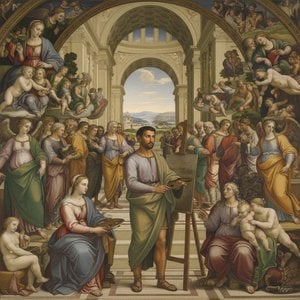
Experience Raphael's 'The Virtues,' a stunning fresco depicting the Cardinal and Theological Virtues. A masterpiece of High Renaissance art, showcasing wisdom, justice, courage & temperance.

Raffaello (1483-1520): Rönesans'ın önde gelen ustası! 'Athena Okulu' ve etkileyici Madonna resimleriyle tanınır. Urbino kökenleri, sanatsal mirası ve zamansız güzelliği keşfedin.

El Yapımı Yağlı Boya Reproduksiyon

Sanatçılarımız tarafından sipariş üzerine hazırlanan; istediğiniz boyut ve çerçevede, tuval üzerine el boyaması yağlı boya. ( Baskı Satışına Geç Dijital Görsel Satışına Geç)

Corner sample of the P118B picture frame: kalıplanmış polistiren, 5 cm wide and 3 cm thick
P118B 10
Corner sample of the P118H picture frame: kalıplanmış polistiren, 5 cm wide and 3 cm thick
P118H 10
Corner sample of the P118W picture frame: kalıplanmış polistiren, 5 cm wide and 3 cm thick
P118W 10
Corner sample of the P438Z picture frame: kalıplanmış polistiren, 5.5 cm wide and 3.5 cm thick
P438Z 10
Corner sample of the P508JH picture frame: kalıplanmış polistiren, 7 cm wide and 3.5 cm thick
P508JH 12
Corner sample of the P508YH picture frame: kalıplanmış polistiren, 7 cm wide and 3.5 cm thick
P508YH 12
Corner sample of the P805H picture frame: kalıplanmış polistiren, 5 cm wide and 3.5 cm thick
P805H 10
Corner sample of the P805Z picture frame: kalıplanmış polistiren, 5 cm wide and 3.5 cm thick
P805Z 10
Corner sample of the P919BZ picture frame: kalıplanmış polistiren, 7 cm wide and 3.5 cm thick
P919BZ 10
Corner sample of the P919G picture frame: kalıplanmış polistiren, 7 cm wide and 3.5 cm thick
P919G 10
Corner sample of the P919XJ picture frame: kalıplanmış polistiren, 7 cm wide and 3.5 cm thick
P919XJ 10
Corner sample of the P959ZH picture frame: kalıplanmış polistiren, 5 cm wide and 3 cm thick
P959ZH 10
Corner sample of the P968JZ picture frame: kalıplanmış polistiren, 6 cm wide and 4 cm thick
P968JZ 12
Corner sample of the W106C picture frame: masif ahşap, 5 cm wide and 3 cm thick
W106C 8
Corner sample of the W218G picture frame: masif ahşap, 5 cm wide and 3 cm thick
W218G 10
Corner sample of the W218JH picture frame: masif ahşap, 5 cm wide and 3 cm thick
W218JH 8
Corner sample of the W218Y picture frame: masif ahşap, 5 cm wide and 3 cm thick
W218Y 10
Corner sample of the W307PJ picture frame: masif ahşap, 6 cm wide and 3 cm thick
W307PJ 10
Corner sample of the W316G picture frame: masif ahşap, 6 cm wide and 3 cm thick
W316G 10
Corner sample of the W316PJ picture frame: masif ahşap, 6 cm wide and 3 cm thick
W316PJ 8
Corner sample of the W316Y picture frame: masif ahşap, 6 cm wide and 3 cm thick
W316Y 10
Corner sample of the W398PJ picture frame: masif ahşap, 5 cm wide and 3 cm thick
W398PJ 8
Corner sample of the W4111J picture frame: masif ahşap, 6.5 cm wide and 3.5 cm thick
W4111J 10
Corner sample of the W500HY picture frame: masif ahşap, 7 cm wide and 5 cm thick
W500HY 15
Corner sample of the W500JH picture frame: masif ahşap, 7 cm wide and 5 cm thick
W500JH 15
Corner sample of the W692G picture frame: masif ahşap, 8 cm wide and 4 cm thick
W692G 12
Corner sample of the W849H picture frame: masif ahşap, 5 cm wide and 3 cm thick
W849H 8
Corner sample of the W940BG picture frame: masif ahşap, 7.5 cm wide and 4.5 cm thick
W940BG 15
Corner sample of the W953PJ picture frame: masif ahşap, 6 cm wide and 3.5 cm thick
W953PJ 8

Standart Boyutlar
özel boyutlu
CM
INCH

Eserin orijinal oranlarıyla uyumlu, önceden belirlenmiş boyutlarımız arasından seçim yapın.

genişlik
yükseklik

Çerçevenize veya duvarınıza uygun olması için ihtiyacınız olan genişliği ve yüksekliği yazın. Bu eser el boyamasıdır; bu nedenle farklı bir formdaki boyutlar için sanatçı, resmin etrafına biraz daha fazla boya ekleyebilir veya biraz daha kırpabilir — seçim sizin. Boyama işlemi başlamadan önce onaylamanız için size bir dijital taslak gönderiyoruz. Bu sayfada gösterilen resim gerçek sonucu yansıtmamaktadır — gerçek sonucu yalnızca taslak göstermektedir.

Değiştirilebilecek örneklere dair: Yüzün müşteri fotoğrafıyla değiştirilmesi; Evcil hayvan eklenmesi (örneğin kedinin köpek ile değiştirilmesi); Arka plana gizli bir mesaj dahil edilmesi; Arka plan manzarasının veya öğelerinin değiştirilmesi.
Siparişten sonra, WahooArt.com ekibi talimatlar için müşteriye e-posta gönderecek ve bir taslak önizleme sunacaktır

Dünya Çapında Teslimat (); standart 5 hafta yerine 3/4 haftada. (20 Ekim). Kaliteden ödün verilmez.

Dünya Çapında Ücretsiz Ekspres Kargo
Yüksek Kaliteli Keten Tuval
Tam Nakliye Sigortası
Gümrük Vergisi İadesi Garantisi
Gerçek Renk Uyumu Garantisi
100 Günlük İade Koşulları (Sadece Üretim Hatalı Ürünler İçin)
%100 Para İade Garantisi
Toplu Alım Avantajı

Toplam Fiyat

₺ 13280

The Virtues

Baskı Tekniği

Baskı Boyutu

-

Toplam Fiyat

₺ 13280

Kısa Bilgiler

  • Influences:
    • Plato
    • Aristotle
  • Subject or theme: Cardinal Virtues
  • Year: 1511
  • Notable elements or techniques: Allegorical fresco
  • Artist: Raphael

Sanat Bilgisi Testi

Her soru için yalnızca bir doğru cevap bulunmaktadır.

Soru 1:
The painting "The Virtues" by Raphael depicts which of the following?
Soru 2:
In what style was "The Virtues" created?
Soru 3:
The fresco is located in which Vatican building?
Soru 4:
What historical figure is prominently featured in the "School of Athens" fresco within the Raphael Rooms?
Soru 5:
Raphael was born in which Italian city?

A Symphony of Virtue: Unveiling Raphael’s “The Virtues”

Raphael’s fresco, "The Virtues," painted in 1511 for the Stanza della Segnatura within the Vatican Palace, stands as a pinnacle of High Renaissance artistry. More than just a decorative panel, it's a profound meditation on human potential and moral philosophy, commissioned by Pope Julius II to embody the cardinal virtues – Prudence, Justice, Fortitude, and Temperance – alongside wisdom and knowledge. The scene unfolds within an idealized architectural setting, reminiscent of classical Roman design, creating a harmonious blend of earthly grandeur and divine inspiration. The fresco’s impact is immediate; it radiates serenity and intellectual depth, inviting contemplation on the qualities that define a virtuous life.

  • Composition: The arrangement is meticulously balanced, with each virtue occupying a distinct space within the lunettes – arched windows above – of the room. This deliberate structure reinforces their individual significance while contributing to the overall sense of order and harmony.
  • Color Palette: Raphael masterfully employs a restrained yet luminous color palette, dominated by cool blues, greens, and golds. These hues evoke a sense of tranquility and wisdom, complementing the allegorical nature of the subject matter.
  • Symbolism: Each virtue is represented through carefully chosen symbols – Justice with scales, Temperance with grapes and vines, Fortitude with a lion, Prudence with a shield, and Wisdom with an owl. These visual cues deepen the fresco’s meaning, offering viewers a tangible understanding of each concept.

The Architects of Morality: Raphael's Philosophical Vision

Raphael wasn’t merely depicting virtues; he was engaging in a complex philosophical dialogue. The fresco reflects the humanist ideals prevalent during the Renaissance – a renewed interest in classical philosophy and a belief in human potential for moral excellence. The figures, though idealized, are grounded in earthly reality, representing the practical application of virtue within everyday life. The scene echoes Plato’s concept of the ideal city, where each citizen fulfills their designated role based on their inherent strengths and virtues. Notably, Raphael's work directly responds to the intellectual currents of his time, particularly the rediscovery of ancient Greek philosophy and its emphasis on reason and moral conduct.

The fresco’s setting itself—a grand architectural space reminiscent of Roman design—underscores this connection to classical thought. It suggests that virtue is not merely an individual trait but a fundamental element of a well-ordered society, mirroring the principles of civic harmony espoused by Plato and Cicero.

Technique and Artistic Innovation

Raphael’s mastery of fresco technique is evident in every detail. He employed *buon fresco*, a method that involves applying pigments to wet plaster, ensuring their permanence and vibrancy. The intricate details—the drapery, the facial expressions, the architectural elements—demonstrate his exceptional skill as a draftsman and painter. His use of *sfumato* – a subtle blurring technique – creates a sense of depth and atmosphere, lending the fresco an ethereal quality. Furthermore, Raphael’s ability to seamlessly integrate figures into the architectural setting showcases his remarkable compositional skills.

The fresco's scale is also significant; it covers a substantial area of wall space, demanding careful planning and execution. The sheer ambition of the project reflects Raphael’s position as one of the leading artists of his time.

A Legacy of Harmony: “The Virtues” Today

“The Virtues” continues to captivate viewers centuries after its creation. Its enduring appeal lies in its timeless message – a celebration of human potential and the importance of moral character. Reproductions of this masterpiece offer an opportunity to experience Raphael’s genius firsthand, bringing his vision of harmony, balance, and intellectual depth into our homes and spaces. Whether admired as a work of art or studied as a philosophical treatise, “The Virtues” remains a testament to the power of beauty and the enduring relevance of human values.

Soru ve Cevaplar

Raffaello imzalı "The Virtues" eserini satın almadan önce kendi duvarımda görebilir miyim?

Raffaello imzalı "The Virtues" eserinin AR Önizleme sayfası, uyumlu bir cihaz üzerinden sanat eserini kendi mekanınızda görmeniz için artırılmış gerçekliği kullanır.

Raffaello imzalı "The Virtues" bir yağlı boya tablo mu, çizim mi yoksa baskı mı?

"The Virtues", bir WallArt eseridir.

"The Virtues" eserinin renk paleti ne kadar doygun?

Raffaello imzalı "The Virtues", Subtle Color doygunlukta kaydedilmiştir.


Sanatçı Biyografisi

Raffaello Sanzio: Rönesansın Işığı ve Uyumunun Ustası

Rönesans’ın en parlak yıldızlarından biri olan Raffaello Sanzio da Urbino, dünyaya 1483 yılında İtalya'nın küçük ama zihinsel açıdan canlı bir şehir devleti olan Urbino'da gözlerini açtı. Babası Giovanni Santi, sadece bir ressam değil, aynı zamanda Duke Federico da Montefeltro’nun şairi ve sanat alanındaki yenilikleri arayan bir düşünürdü. Bu soylu çevrede büyümek, genç Raffaello’nun sanatsal ve entelektüel gelişimini derinden etkiledi. Babasının erken ölümü, ona sorumluluk yüklerken aynı zamanda ailesinin atölyesinde yeteneklerini geliştirmesi için de bir fırsat yarattı. İlk dönem eserlerinde bile ortaya çıkan zarif duruşu ve detaylara gösterdiği özen, olgunlaşmış tarzının habercisiydi.

Umbria’dan Floransa’ya: Yeni Etkilerin Peşinde

Raffaello'nun sanatsal yolculuğu, sürekli bir evrim sürecinden geçti. Perugia'da Pietro Perugino yönetimindeki eğitimiyle Umbriya tarzının temellerini attı – yumuşak modellemeler, uyumlu kompozisyonlar ve sakin dini sahnelerle karakterize edilen bir stil. Ancak Raffaello’nun doyumsuz merakı onu yeni zorluklara yöneltti. 1504 yılında Floransa'ya yaptığı yolculuk, Leonardo da Vinci ve Michelangelo gibi sınırları zorlayan sanatçılarla tanışmasına vesile oldu. Leonardo’nun sfumato tekniğini, yani ışık ve gölge geçişlerindeki inceliği; Michelangelo’nun ise güçlü anatomik detaylarını ve dramatik kompozisyonlarını büyük bir dikkatle inceledi. Bu Floransa dönemi, Raffaello için gerçek bir eriyiş noktası oldu; onu yeni sanatsal olanaklarla yüzleştirdi ve bunları kendi özgün vizyonuyla sentezlemeye zorladı. Özellikle bu dönemde Madonna serilerindeki artan dinamizm ve psikolojik derinlik, bu etkilerin somut kanıtı olarak görülebilir.

Roma’daki Zafer: Komisyonlar ve Başyapıtlar

1508 yılında Raffaello'nun kariyerini değiştirecek bir daveti aldı – Papa II. Julius tarafından Roma'ya çağrıldı. Bu, onun en verimli ve kutlu döneminin başlangıcı oldu. Roma, ona eşsiz fırsatlar sundu; Vatikan’daki papal saraylarını nefes kesici fresklerle süsleme imkanı buldu. Athena Okulu (La Scuola di Atene), belki de en ünlü eseri olarak, kompozisyon, perspektif ve felsefi alegori konusundaki ustalığını gözler önüne seriyor. Bu görkemli mekanda Raffaello, Antik Yunan’dan figürleri – Plato, Aristoteles, Pisagor, Öklid gibi – bir araya getirerek insan aklının ve bilgi peşinde koşmanın kutlaması niteliğinde canlı bir tablo yarattı. Daha sonra Leo X ve diğer papalar için de çalışarak Stanze della Segnatura ve Stanza d'Eliodoro gibi devasa projelerde yer aldı. Bu odalardaki freskleri sadece dekoratif değil, aynı zamanda papal gücüne, dini inançlara ve Rönesans ideallerine dair derin açıklamalar niteliğindedir.

Zarafet ve Uyumun Sentezi: Raffaello'nun Sanatsal Tarzı

Raffaello’nun sanatsal tarzı genellikle zarafet, açıklık ve idealize edilmiş güzelliğin uyumlu bir karışımı olarak tanımlanır. Farklı etkileri – Umbriya geleneği, Floransa yenilikleri, Antik Yunan – kendi eşsiz estetiğine sentezleme konusunda olağanüstü bir yeteneğe sahipti. Kompozisyonları titizlikle planlanmıştır; Rönesans ilkelerinin derinlemesine anlaşılmasını yansıtan bir düzen ve orantı duygusu sergiler. Figürleri sakin bir onur ve duygusal ifade yayar, insan mükemmelliği idealini somutlaştırır. Aynı zamanda usta bir renkleyiciydi; hem görsel olarak büyüleyici hem de zihinsel olarak uyarıcı eserler yaratmak için zengin, aydınlık tonlar kullandı. Michelangelo’nun sıklıkla dramatik ve çalkantılı tarzının aksine Raffaello'nun çalışması sakinlik ve uyum duygusu yayar – bu nitelik yüzyıllardır izleyicileri büyülemiştir.

Mirası ve Süregelen Etkisi

Raffaello’nun 1520 yılında otuz yedi yaşında erken ölümü, potansiyeliyle dolu bir kariyeri kesintiye uğrattı. Ancak mirası, Batı sanat tarihinin en önemli figürlerinden biri olarak yaşamaya devam ediyor. Çalışmaları, Yüksek Rönesans estetiğinin temel taşı haline geldi ve nesiller boyunca sanatçılara örnek oldu. Michelangelo’nun etkisi daha sonra sanatsal söylemi domine etse de, Raffaello'nun açıklık, uyum ve idealize edilmiş güzelliğe verdiği önem Neoklasik dönemde Johann Joachim Winckelmann gibi eleştirmenler tarafından yeniden canlandırıldı. Bugün, resimleri hala hayranlık ve takdir uyandırıyor; teknik parlaklıkları, duygusal derinlikleri ve kalıcı çekicilikleriyle izleyicileri büyülemeye devam ediyor. Onun etkisi sayısız takip eden eserde görülebilir, bu da onu Rönesans’ın gerçek bir ustası olarak pekiştirir – sadece konularının fiziksel görünümünü değil, aynı zamanda insan zarafetinin ve onurun özünü de yakalayan bir ressam.

Raffaello

Raffaello

1483 - 1520 , İtalya

Kısa Bilgiler

  • Artistic Movement Or Style: Yüksek Rönesans
  • Artists Or Movements Influenced By This Artist: ['Neoklasik resim']
  • Artists Who Influenced This Artist:
    • Leonardo da Vinci
    • Michelangelo
  • Date Of Birth: 1483
  • Date Of Death: 1520
  • Full Name: Raphael
  • Nationality: İtalyan
  • Notable Artworks:
    • Atina Okulu
    • Sistine Madonna
    • Dönüşüm
  • Place Of Birth: Urbino, İtalya
Temalara, stillere ve özelliklere göre gruplandırılmış sanat eserlerini keşfedin.